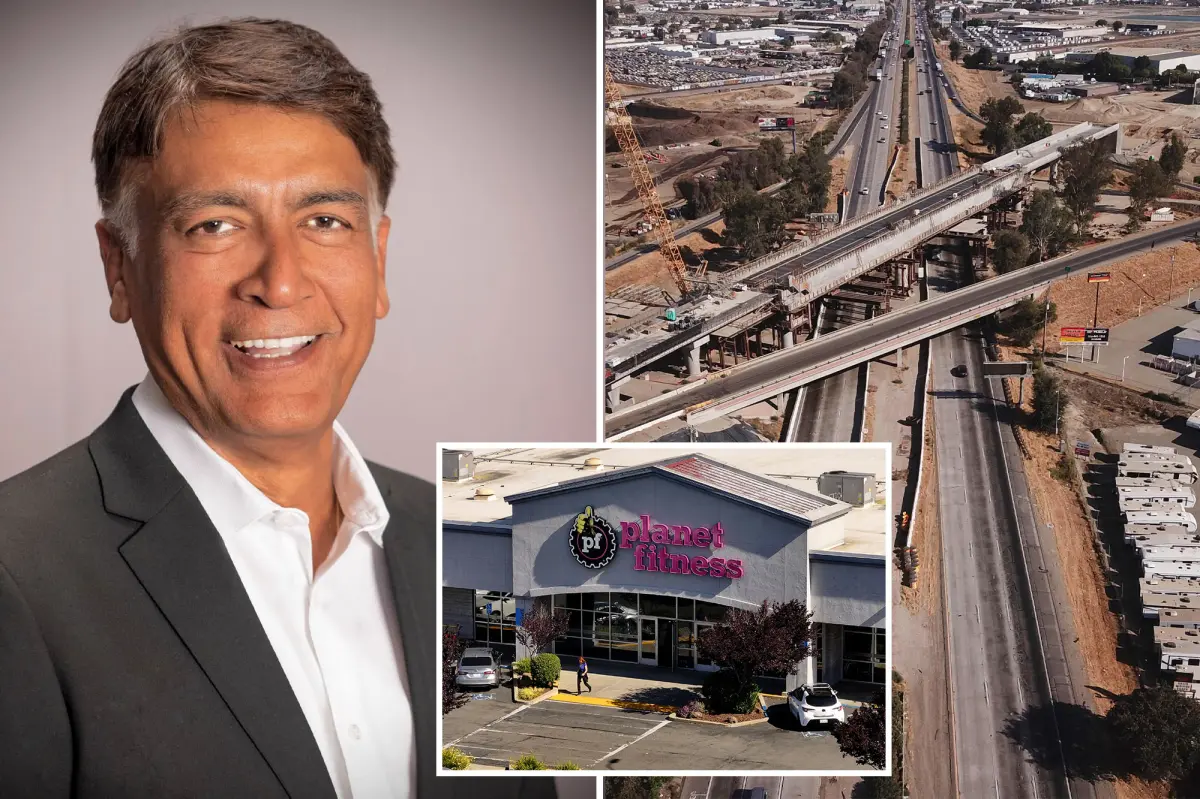

California’s troubled high-speed rail project reimbursed consultants more than $680,000 in questionable travel expenses, including premium airfare and rideshare trips to gyms, nightclubs and an “escape room,” according to a scathing new audit.
A report released Tuesday by the inspector general for the California High-Speed Rail Authority found that the agency paid roughly $2 million in travel expenses to four consulting firms working in finance, law and track design. The review identified numerous questionable reimbursements.
The consultants charged the state for flight upgrades, prohibited international travel and rideshare trips to gyms, restaurants, a cigar lounge and other destinations, according to the report obtained by The California Post.
“We often found little or no explanation of the need for consultants to travel,” the report stated. Even when purposes were listed, it added, they “frequently raised doubts about its necessity.”
California’s ambitious high-speed rail megaproject is facing a severe funding crunch and could run out of money by the end of 2027. The California High-Speed Rail Authority’s inspector general has warned that the project could exhaust its funding as soon as the end of next year.
The train project’s estimated cost has soared to as much as $231 billion, according to one estimate, while completion has been pushed to roughly 2039. The rail authority, however, placed the projected cost at $126.3 billion following a reassessment this year.
Despite those financial pressures, project consultants appeared to spend freely on travel, the report found. Some expense justifications were as vague as “meetings with HSR executives.”
The authority approved many expenses based on the assumption that the CEO or an executive team member had requested or wanted the travel, the inspector general alleged, without documenting why the trips were necessary or weighing their cost.
Contractor payments totaled $2 million over the two fiscal years examined, yet the authority did not consistently document expense approvals, according to the audit. Approximately 60% of the $1.15 million in travel expenses reviewed lacked approval in advance.
The inspector general determined that $680,000 of the $2 million had not received advance approval. That total included $592,900 in expenses that violated state travel regulations or the consultants’ contract requirements.
Many of the questionable charges involved Uber trips to recreational destinations.
One consultant, for instance, repeatedly received reimbursement for premium Uber rides to Planet Fitness locations in and around Sacramento. The audit also cited rides to a tiki bar, a nightclub and several Sacramento-area restaurants.
The inspector general additionally identified trips to a sushi restaurant in Denver and a cigar lounge in Washington, D.C.
“These trips clearly appear to be for personal enjoyment rather than for the benefit of the State,” the report said, adding that the authority should have questioned whether the costs were necessary instead of paying them without scrutiny.
Consultants also charged premium and first-class airfare without providing justification. In addition, the authority paid more than $118,000 in travel-related expenses for people coming from other countries, even though international travel was prohibited under the contracts.
To remediate the issues, the inspector general asked the rail authority to enforce travel regulations and to established approved office locations for all consultants.
Republicans and other long-time critics of the expensive high-speed rail project blasted the findings of the report as more evidence the project needed to be shut down.
These are “wasteful and unallowable travel expenses,” said Assembly GOP Leader Alexandra Macedo. “Californians are already paying some of the highest costs in the country. They should not be forced to subsidize consultant lifestyles for a rail project that still has not laid a single mile of track.”
Sen. Tony Strickland (R) said the report is not a suprise.
“California families are struggling with the high cost of living and deserve answers and accountability for how their taxpayer dollars are being spent on this project,” he told The Post. “It’s time to pull the plug and put those taxpayer dollars toward the needs of Californians today.”
“The Authority appreciates the Office of the Inspector General’s oversight and remains committed to transparency and continuous improvements as we build the nation’s first high-speed rail system,” a spokesperson for the rail authority said in a statement.
“We take these findings seriously. In response, the Authority will strengthen internal controls around consultant travel, implement more rigorous documentation and approval requirements, and recover any improper costs identified. We are also working closely with the OIG to ensure corrective action that is both accurate and fair,” the statement added.
The project is far from complete since workers broke ground on the project in 2015. Only this year did the ill-fated rail project enter what officials called the “track-laying phase.”
Gov. Gavin Newsom, who himself admitted in 2019 there was no path to get the train from San Francisco to Los Angeles, pushed the state to instead focus on a 171-mile segment between Merced and Bakersfield.
About 119 miles are under active construction with completion now targeted for 2032, though the Office of the Inspector General, in charge of auditing the project, recently said that goal may be optimistic.


