
Five Black siblings who were subjected to forced labor and severe abuse by their wealthy white adoptive parents have secured a $4.4 million settlement from the state of West Virginia, which they accused of failing to protect them.
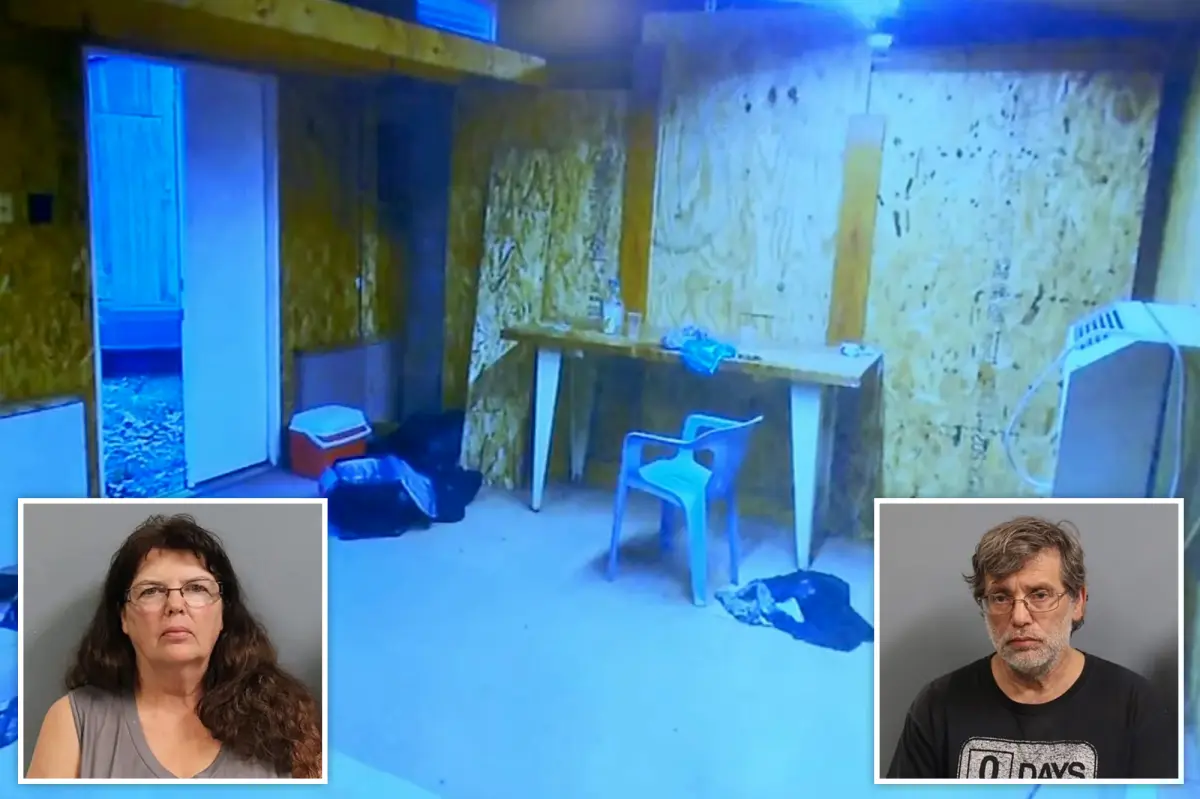
Jeanne Kay Whitefeather and Donald Lantz were ultimately sentenced to a combined 375 years in prison after authorities found that the children—then between 6 and 16 years old—had been kept in appalling conditions at the couple’s Sissonville property and made to perform farm work because of their race.
Kanawha County Circuit Judge Maryclaire Akers approved the $4.4 million agreement last week. According to West Virginia Watch, it is the largest settlement the state is legally permitted to pay.
The award will give the siblings “an opportunity to be children,” attorney Dante diTrapano, who represented them, said.
“They were robbed of their innocence and robbed of their youth by the monsters that were their former parents.”
The settlement will be divided among the five children. Some have been diagnosed with post-traumatic stress disorder stemming from the abuse they endured.
The siblings sued West Virginia’s Department of Human Services earlier this year, alleging that Child Protective Services failed to intervene despite warnings about their welfare.
The department could not produce records showing that CPS had actually met with the children, even though its system contained notes describing conditions resembling slavery, West Virginia Watch reported.
“There were a ton of calls that came in from neighbors, and I think only one visit out there. There should have been many more,” diTrapano said.
SEE ALSO: Woman Appears Distressed, Flails and Speaks Incoherently on Seattle Sidewalk
Evidence presented at Whitefeather and Lantz’s trial showed that CPS initially left a card at the home. DiTrapano said the agency later interviewed the children, but the conversation took place within hearing distance of their adoptive parents.
State officials said at least one Department of Human Services employee involved in the case was fired.
DiTrapano has described West Virginia’s child welfare system as “broken.”
“There’s all kinds of things that need to be changed,” he told West Virginia Watch. “The quality of the employees that they’re having to go out here and look after the welfare of these children, some of the manner in which they do these interviews and document things, they have to take these calls seriously.”
The children’s ordeal came to light after a neighbor alerted authorities that two teenagers were being confined in a shed on the property.
Officers discovered the oldest siblings—a 14-year-old boy and a 16-year-old girl—locked inside the structure. It contained a small RV-style portable toilet but had no lighting or running water. One of the teenagers told police they had been confined in the barn for 12 hours since their last meal.
The siblings were wearing dirty clothing and smelled strongly. They told investigators that the couple made them sleep directly on the concrete floor, without mattresses.
Lars Dalseide, a spokesperson for Gov. Patrick Morrisey, said the governor has moved to strengthen DPS since taking office.
Following their adoptive parents’ arrests, the children were placed with new families. Two of their adoptive mothers spoke in court about the siblings’ progress and new experiences, including a trip to the beach.
DiTrapano also said he intends to pursue charges against Washington state’s Human Services Department. He alleges the agency approved Whitefeather and Lantz’s move with the children from Washington to West Virginia despite earlier child-abuse reports.