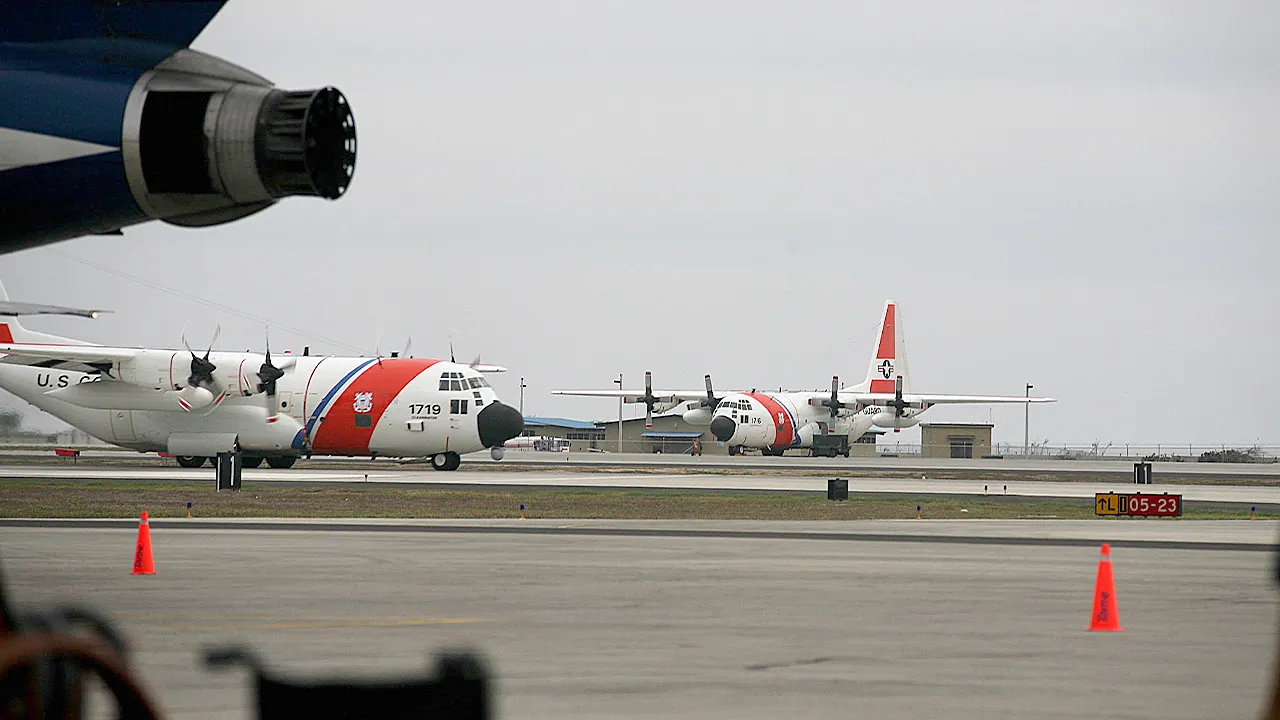

Trump steps up campaign against drug cartels in Ecuador
Dana Perino examines former President Donald Trump’s effort to confront drug cartels in Ecuador. Washington is providing military and intelligence support to the South American country as it faces severe drug-related violence and grows increasingly important as a cocaine-export hub. The cooperation is part of a wider U.S. strategy to strengthen regional security and disrupt transnational criminal organizations.
Ecuadorian President Daniel Noboa rejected claims that the United States is operating a military base in Ecuador after an Agence France-Presse (AFP) investigation reported an expanded U.S. military presence at an air base near the port city of Guayaquil.
“At times, there is a specific mission. At times, there is a specific operation,” Noboa told the news outlet Altavoz. He said U.S. personnel at Taura Air Base were conducting “temporary activities” under a bilateral security agreement, including drone flights used to gather intelligence.
“We work together. It’s not an American base. It’s an Ecuadorian base,” he said.

Ecuadorian President Daniel Noboa denied that the United States operates a military base in his country after an Agence France-Presse (AFP) investigation reported an expanded U.S. military presence at an air base near Guayaquil. (Franklin Jacome/Agencia Press South/Getty Images)
Noboa spoke roughly one month after AFP documented an unusual arrival of U.S. military aircraft, the installation of dozens of tents and construction work at the air base.
The investigation counted about 20 U.S. military flights landing at Taura between June and mid-October. Internal documents also confirmed that American troops were present.
Some of the flights came from U.S. military facilities, including Marine Corps Air Station Cherry Point in North Carolina and Dover Air Force Base in Delaware. Others made stops in Puerto Rico and Panama.
The activity prompted questions about the legal basis for the expanded presence among senior Ecuadorian military officials.
AFP cited a September letter in which then-Air Force commander Gen. Mauricio Salazar sought clarification from military leaders about the deployment’s legality. The report said Salazar was later dismissed from his post and transferred to a less senior position.
The increased U.S. presence follows Ecuadorian voters’ rejection of a Noboa-backed referendum in November 2025. The proposal would have changed the constitution to remove the country’s prohibition on foreign military bases.
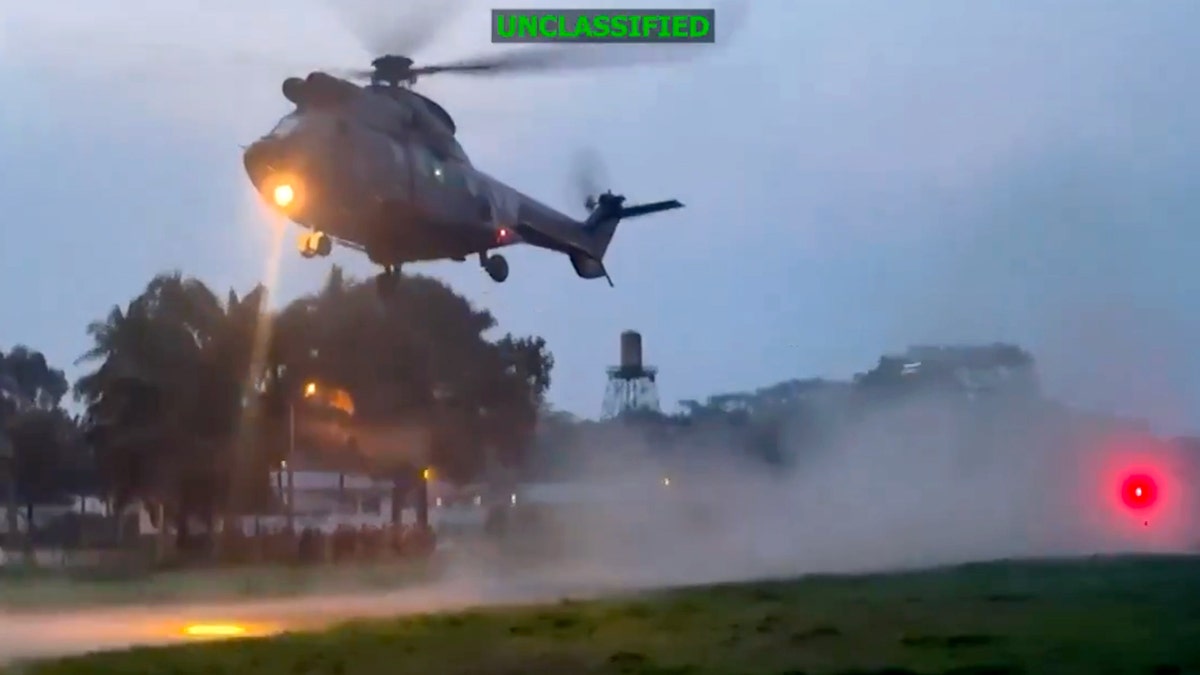
U.S. and Ecuadorian forces launched joint operations Tuesday targeting suspected narco-terrorists in Ecuador, according to U.S. Southern Command. (U.S. Southern Command)
DON’T MISS: Alison Boshoff Reveals the Inside Story of the Race to Be 007
Although voters rejected the referendum, Quito and Washington have continued to expand security cooperation aimed at stopping drug trafficking and combating transnational organized crime.
Human Rights Watch has called the United States Ecuador’s leading security partner in the campaign against organized crime, citing U.S. equipment, training, intelligence and direct military assistance.
The watchdog described the relationship as “perilous,” warning that “both governments have engaged in serious human rights violations fuelled by their insistence on framing their confrontations with organised crime groups as a kind of war.”
After returning to the White House in January 2025, President Donald Trump designated several Latin American cartels as foreign terrorist organizations and authorized military strikes against vessels in international waters suspected of carrying drugs.

Ecuadorian Foreign Minister Roberto Kury and Ecuadorian police during a counternarcotics mission. (News Outlet)
Ecuador has become an important partner in Trump’s campaign against drug cartels and narcoterrorism. The country’s foreign minister told News Outlet in September that U.S. and Ecuadorian forces were cooperating to intercept drug shipments and dismantle transnational criminal networks.
Roberto Kury said the closer partnership with Washington had produced “a lot of positive results” in recent months, pointing to seizures based on U.S. intelligence and joint missions.
“There is intelligence and cooperation from the United States, but there is also always the presence of Ecuadorian military or police. They work together,” Kury told News Outlet on the sidelines of the U.N. General Assembly.
“Most of the drugs go to the United States. So that’s why the United States shares the problem,” Kury said.
Secretary of State Marco Rubio has likewise described Ecuador as the United States’ most “aggressive” partner in its Western Hemisphere campaign.
News Outlet contacted Southcom for comment.


