
Norway is facing criticism over proposed legislation that opponents say unfairly targets Jews. The bill would allow individuals to be sentenced to as many as three years in prison for knowingly carrying out certain business activities with Israeli communities in the West Bank.
Introduced by Norway’s Ministry of Foreign Affairs, the proposal would ban imports from Israeli communities in the West Bank, including East Jerusalem, as well as exports to those areas. It would also impose restrictions on specified real estate deals, construction and engineering work, and investments in companies headquartered and operating in the communities.
Under Section 7 of the ministry’s official consultation document, deliberate violations could bring fines, up to three years in prison or both. Negligent violations could result in fines, a prison sentence of up to six months or both.
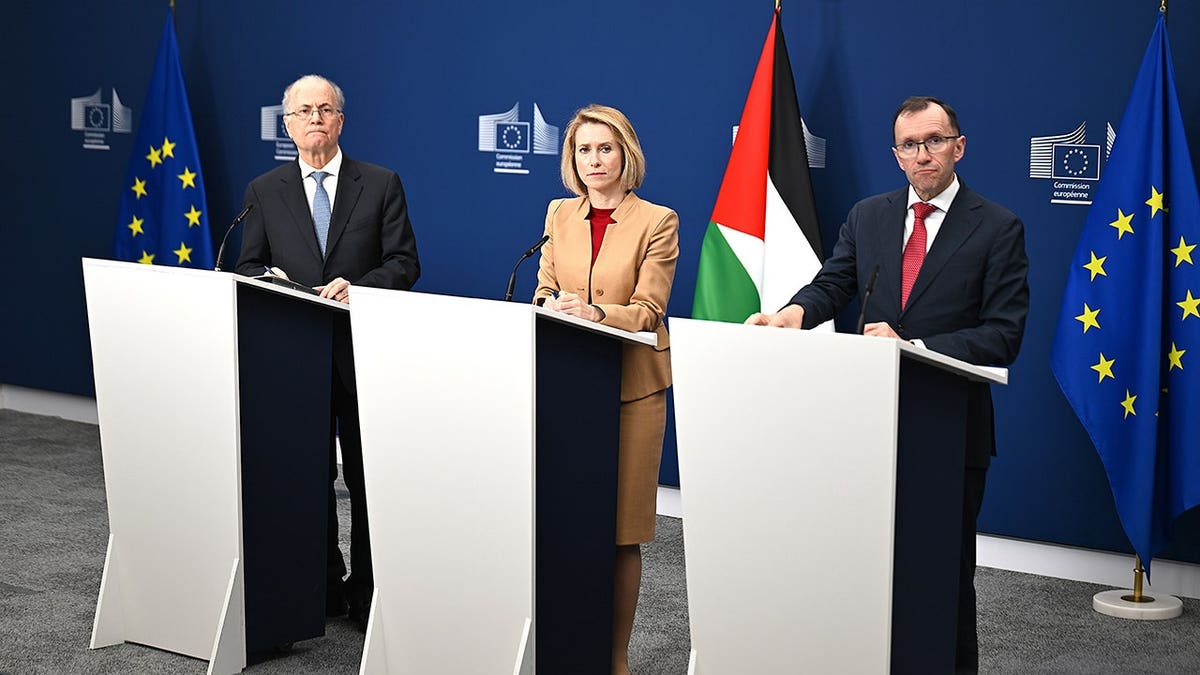
(L-R) Palestinian Prime Minister Mohammad Mustafa, EU High Representative for Foreign Affairs and Security Policy Kaja Kallas, and Norwegian Foreign Minister Espen Barth Eide addressed the media following the 9th Global Alliance for the Two-State Solution Meeting and the Ad Hoc Liaison Committee (AHLC) Meeting, focusing on international aid for Palestinians and the revitalization of the peace process. (Dursun Aydemir/Anadolu via Getty Images)
The legislation is still being reviewed through a public consultation. The deadline for submissions is Sept. 19, and the proposal has not yet become law.
Danny Danon, Israel’s ambassador to the United Nations, denounced the measure in a statement to News Outlet.
“Norway’s proposal to criminalize trade with Israeli communities in Judea and Samaria is the latest expression of their obsessive and openly hostile policy toward Israel. Instead of contributing to peace or regional stability, Norway has chosen political grandstanding, selective outrage and punitive measures against Israel,” Danon said. “This approach damages bilateral relations, encourages rejectionism, and exposes just how detached Norwegian policy has become from the realities of the Middle East.”
The Israeli Foreign Ministry’s Northern Europe Department directed News Outlet to a statement posted on X that likewise criticized the proposed law.
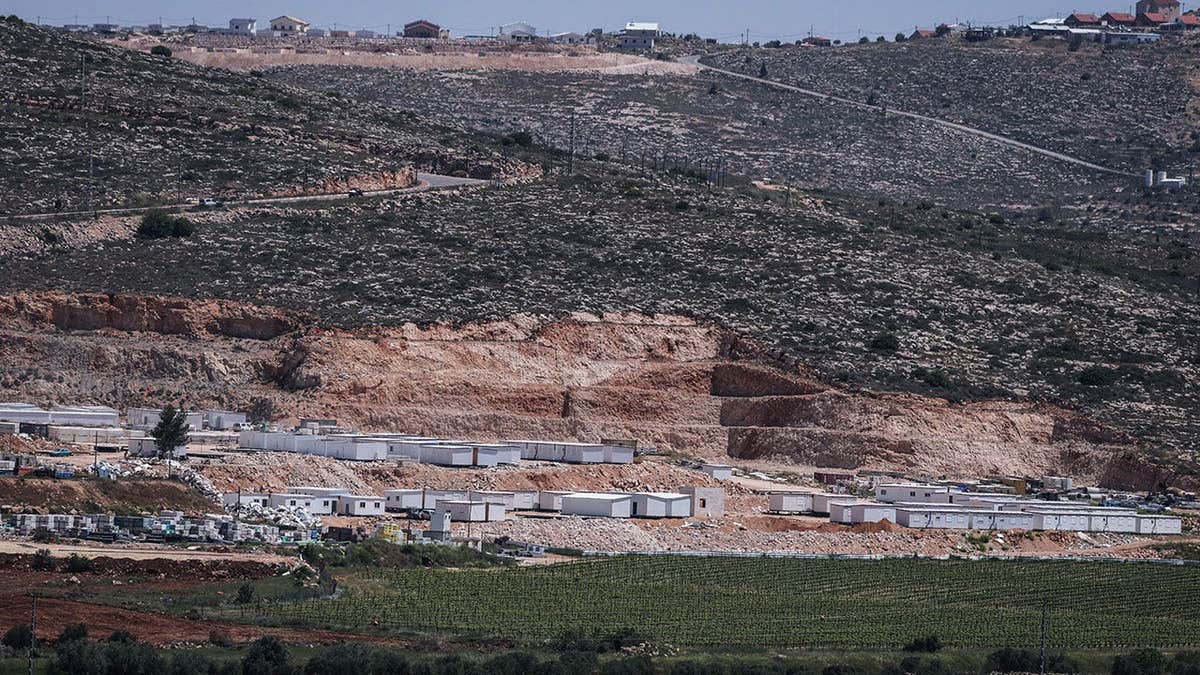
The Libi Infrastructure and Construction factory in the Israeli settlement of Shilo in the West Bank, April 30, 2026. (Reuters/Ammar Awad)
“Norway’s legislative proposal to criminalize trade with Israeli communities in Judea and Samaria is the latest example of the Norwegian foreign minister’s obsessive anti-Israel activism on the global stage. Norway has repeatedly chosen to sacrifice its bilateral relationship with Israel in favor of one-sided rhetoric and hostile actions that serve domestic interests, undermine efforts to reach peaceful solutions, and are completely detached from the reality in the Middle East.”
Norway’s Ministry of Foreign Affairs, responding to a request for comment from News Outlet, referred to its June 19 announcement of the legislation. In that release, the ministry said Israeli settlements violate international law and weaken the prospects for a two-state solution that would allow Israelis and Palestinians to live in peace and freedom.
“By proposing legally binding prohibitions, the government makes it clear that Norwegian citizens and Norwegian companies must not profit from or support activities that help sustain Israel’s unlawful settlement activity in Palestine,” Foreign Minister Espen Barth Eide said in the release.
Eide added that the settlements fuel “displacement, extreme violence and a situation that makes a peaceful solution impossible.”
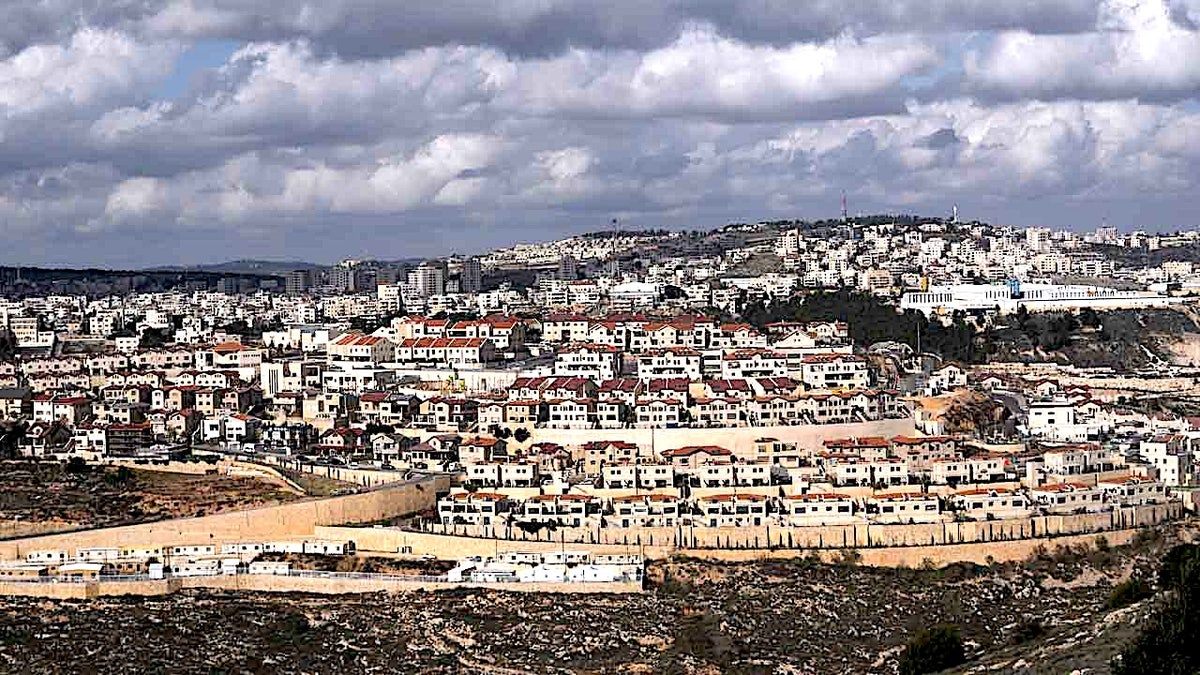
The West Bank, also known as Judea and Samaria, is home to some 500,000 Israelis. (Mahmoud Illean/AP)
The ministry pointed to findings by the United Nations Security Council and advisory opinions from the International Court of Justice as support for its view that the settlements are illegal. The proposed rules would apply to imports and exports, property purchases, certain property-related services and acquisitions of companies with headquarters and production facilities in the settlements. The ministry said legitimate Palestinian businesses and humanitarian aid would remain protected.
The proposed legislation would exempt humanitarian activities, as well as transactions the government determines have “sufficient Palestinian ties” and do not contribute to the construction, expansion or maintenance of Israeli communities.
Dag Juliussen, national director of the Norwegian branch of the International Christian Embassy Jerusalem, said that the exemption could permit business with Palestinian residents while criminalizing comparable transactions involving Jewish residents in the same territory.
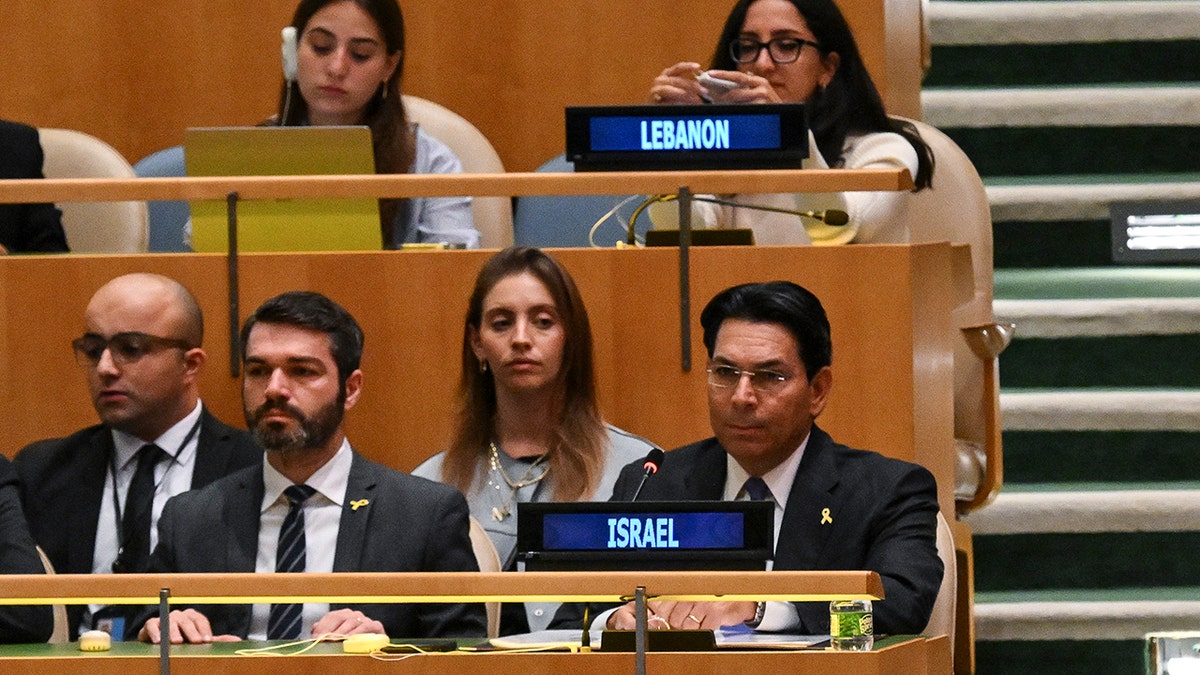
Israel’s Ambassador to the UN Danny Danon (bottom-R) speaks during a General Assembly meeting to vote on a two-state solution to the Palestinian question at United Nations headquarters on Sept. 12, 2025 in New York City. (Angela Weiss /AFP via Getty Images)
“The bill is based on a fundamentally misguided understanding of the Middle East conflict, which in turn rests on a rewriting of history,” Juliussen said in a statement to News Outlet. “In addition, such a law would effectively serve as a reward for terrorism and, at its core, is deeply racist toward Jews.”
The consultation document does not characterize the proposal as targeting Jews. Instead, it says the measure is intended to prevent commercial activity that helps maintain Israeli communities beyond the pre-1967 lines, while shielding qualifying Palestinian commerce and humanitarian assistance.
Under the proposal, exemptions would be evaluated according to the people involved who benefit from the transaction and whether the activity contributes to the construction, expansion or maintenance of an Israeli community.
Juliussen said purchasing agricultural products from Muslim, Christian, Arab or Bedouin residents could be permitted, while purchasing similar products from Jewish residents could become a criminal offense. He argued that the determining factor would effectively be the identity of the seller.
Norway formally recognized a Palestinian state in 2024 and has become one of Israel’s strongest European critics since the Hamas-led terrorist attacks of Oct. 7, 2023.
Juliussen warned that the proposed legislation would not bring Israelis and Palestinians closer to peace but could instead deepen divisions and encourage extremist forces in the region.