
Washington — A Republican-backed bill designed to protect Americans from higher electricity costs tied to data centers was blocked in the Senate on Thursday by a single Democrat, one day after it won overwhelming bipartisan approval in the House.
The Ratepayer Protection Act would require technology companies to cover the cost of energy infrastructure built to serve data centers instead of shifting those expenses to utility customers. The House approved the measure Wednesday by a vote of 417-3.
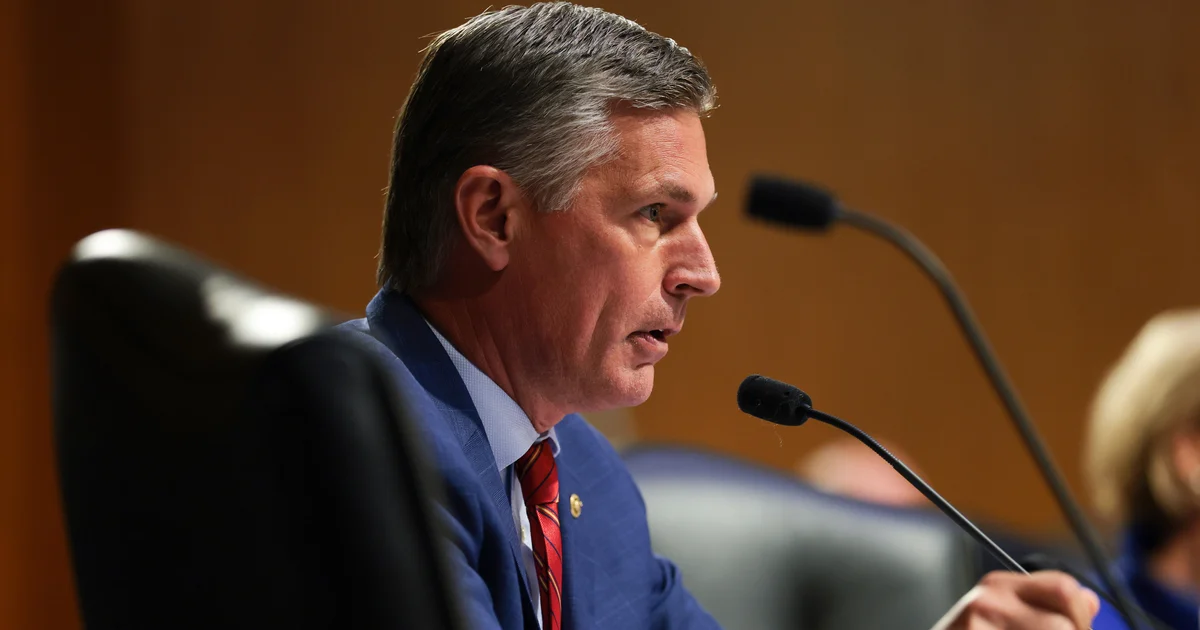
Ohio Republican Sen. Jon Husted attempted to advance the bill through unanimous consent, a Senate procedure that allows any one member to stop legislation. Sen. Martin Heinrich of New Mexico, the senior Democrat on the Senate Energy and Natural Resources Committee, objected, saying the proposal did not go far enough.
“The senator from Ohio and I agree on one thing, AI data centers can mean higher costs for American families, and in a lot of places they already do,” Heinrich said. “But the Ratepayer Protection Act falls short of what we need to do to respond.”
Heinrich argued that Congress must pass stronger legislation and pointed to his own proposal, the GRID Savings Act, which would also seek to prevent households from absorbing data centers’ electricity costs.
“My bill is what is needed to start to bring down energy prices,” Heinrich said. He added that data center developers should work with communities throughout the planning process, protect local water supplies, reduce air pollution and rely on clean energy and battery storage. “But we’re not going to get there with the bill that the senator from Ohio has proposed.”
Heinrich then asked the Senate to approve his legislation by unanimous consent. Sen. Bernie Moreno, the other Republican senator from Ohio, objected and criticized Heinrich for stopping the House-approved bill, which Moreno said could have delivered “immediate relief” to consumers.
“The term do-nothing Congress exists for a reason,” Moreno said. “We absolutely accomplished that right now.”
The Senate clash comes as affordability remains a central concern for voters ahead of the midterm elections, while the rapid expansion of artificial intelligence fuels debate over data centers and their impact on electricity demand. Several House Republicans facing competitive races recently joined the bill as cosponsors. Husted, who is in a tight Ohio Senate contest against former Sen. Sherrod Brown, has led the Senate push.
Husted has also faced criticism over his earlier support for data center development, making the issue a significant vulnerability in the Ohio race. Brown has repeatedly attacked him over the matter, and the Senate GOP campaign arm warned in a memo last month that the data center controversy was “the anchor hanging around Husted’s neck.”
In seeking passage Thursday, Husted called the bill “the most meaningful, bipartisan step Congress could take to protect the American people from higher prices for electricity.”
“It is a shame that this opportunity has been missed today,” Husted said.