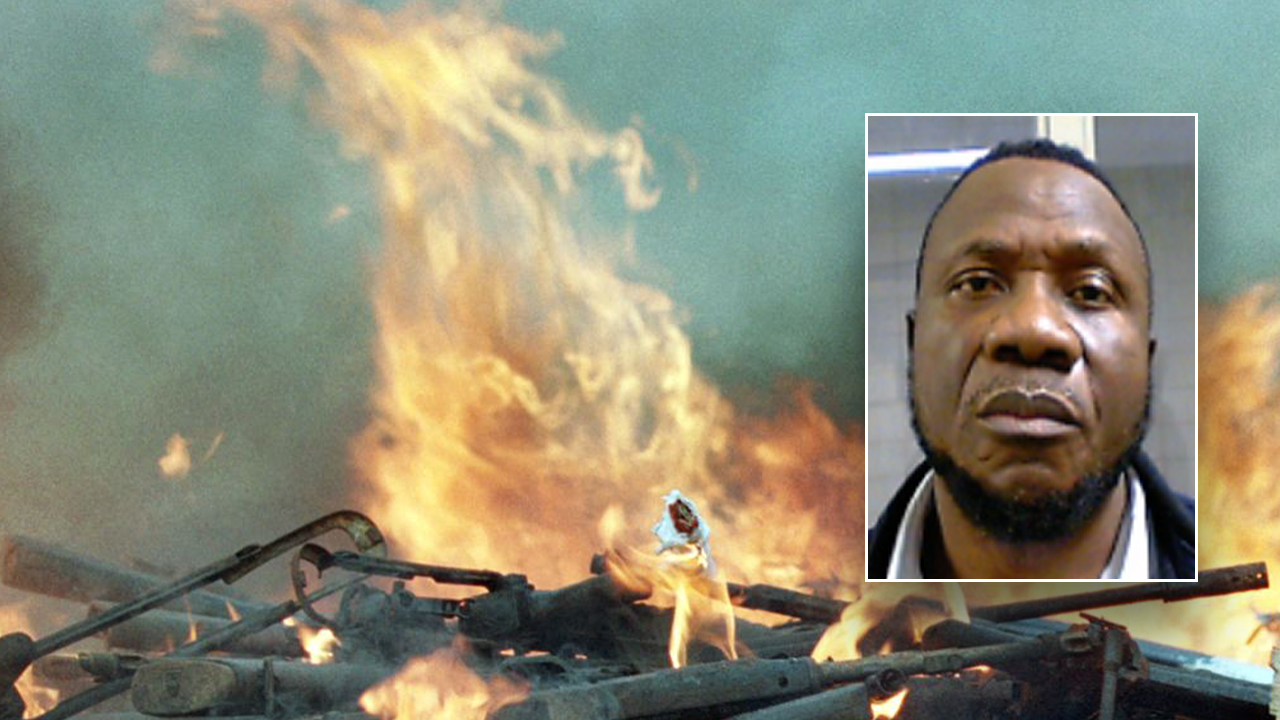
DOJ uses Alien Terrorist Removal Court for first time ever
Jonathan Fahey examines the Department of Justice’s historic first use of the Alien Terrorist Removal Court to deport a national security threat. The discussion also covers the foiled Election Day terror plot allegedly involving Afghan national Nasir Ahmad Tawhedi.
A former Liberian combatant accused of ordering and participating in killings, torture and the recruitment of child soldiers has been deported after nearly 20 years in the United States.
U.S. Immigration and Customs Enforcement deported 55-year-old Amos Sheik Massaquoi to Liberia on Aug. 11, officials told News Outlet. Authorities believe he served as chief bodyguard to Maj. Gen. Daniel Chea, a former leader in Charles Taylor’s National Patriotic Front of Liberia.
ICE said Massaquoi is believed to have ordered or taken part in extrajudicial killings, torture, arbitrary arrests and detentions, forced labor and the recruitment of child soldiers during Liberia’s civil wars, which lasted from 1989 to 2003.
“If you are a confirmed human rights violator and believe you can hide in the United States, you are mistaken,” ICE Chicago Field Office Director Frank Padula said.
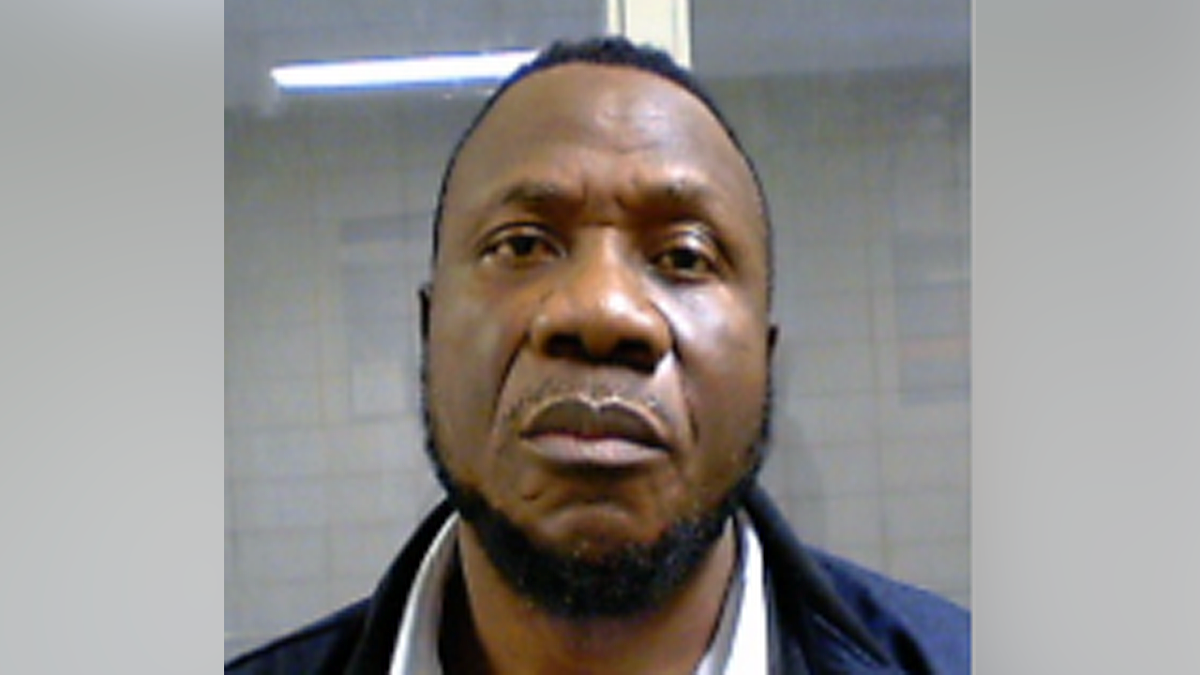
ICE removed Amos Sheik Massaquoi to Liberia Aug. 11, 2026. Authorities say he is suspected of killings, torture, forced labor and using child soldiers during Liberia’s civil wars. (U.S. Immigration and Customs Enforcement)
“ICE will pursue, arrest and remove individuals who committed atrocities abroad and ensure our communities are not used as a sanctuary from accountability.”
According to ICE, Massaquoi legally entered the United States in August 2006 but was authorized to remain only through Nov. 6 of that year.
He remained in the country until Homeland Security Investigations arrested him in Maryland in August 2019 for being unlawfully present. An immigration judge granted him bond less than two months later, and he was released.
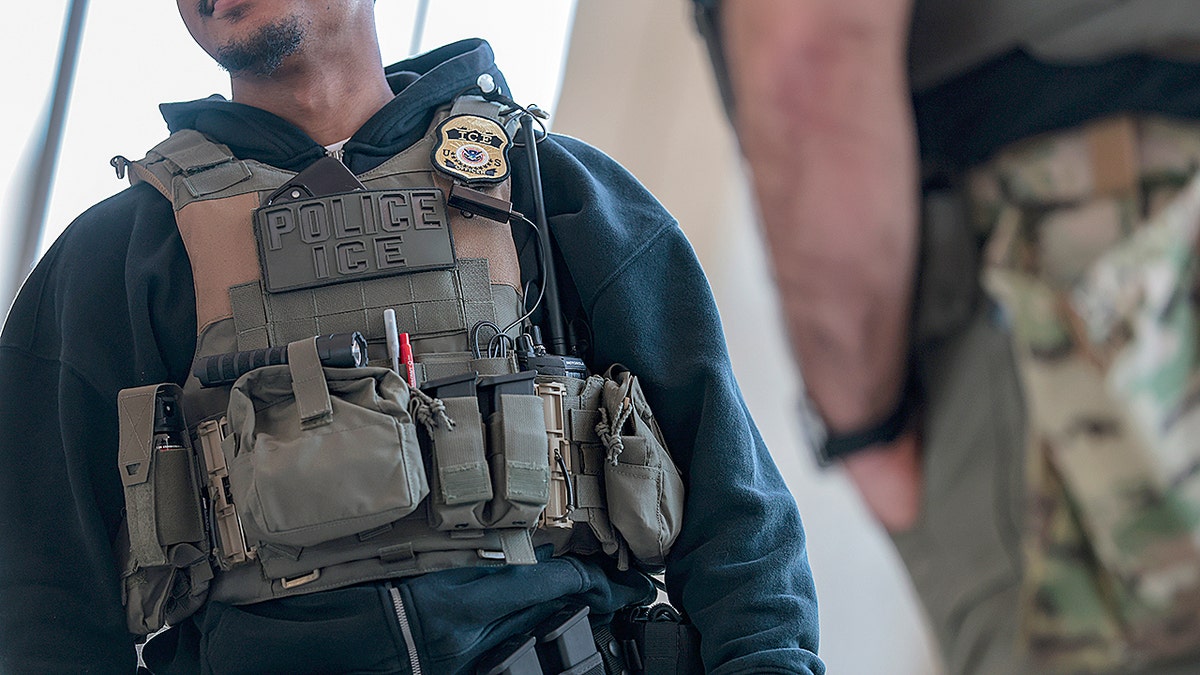
Immigration and Customs Enforcement agents patrol Dulles International Airport on March 24, 2026, in Dulles, Va. (Heather Diehl/Getty Images)
ICE’s Baltimore office took Massaquoi back into custody on April 1, 2025, after officials said he had violated the conditions of his release. An immigration judge ordered his removal the following month.
ICE also said Massaquoi received specialized military training at an academy in China in 2004, a year after Liberia’s second civil war ended.
Liberia’s civil wars claimed nearly 250,000 lives, most of them civilians, according to the United Nations.
Taylor, who led the rebel movement before becoming Liberia’s president, was later convicted of aiding and abetting crimes carried out by rebel forces in neighboring Sierra Leone. The Residual Special Court for Sierra Leone sentenced him to 50 years in prison.
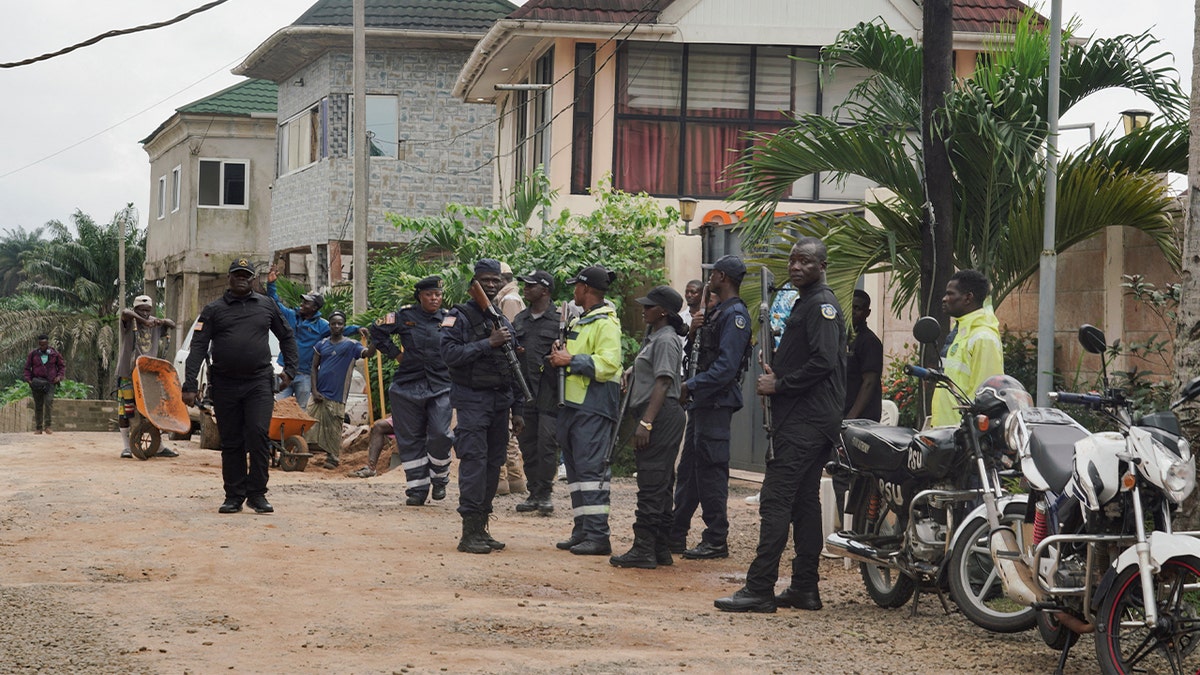
Security guards stand outside a building near Roberts International Airport as deportees from the United States arrive, in Harbel, near Monrovia, Liberia, Aug. 20, 2026. (Reuters/Carielle Doe)
“Amos Sheik Massaquoi is believed to have engaged in cruelty and terror, including killings, torture, forced labor, unlawful imprisonment and the recruitment of children into armed conflict,” HSI Maryland Special Agent in Charge Akil Baldwin said.
“If it is confirmed that an individual has engaged in such bloodshed anywhere in the world, then you have no place in the United States.”
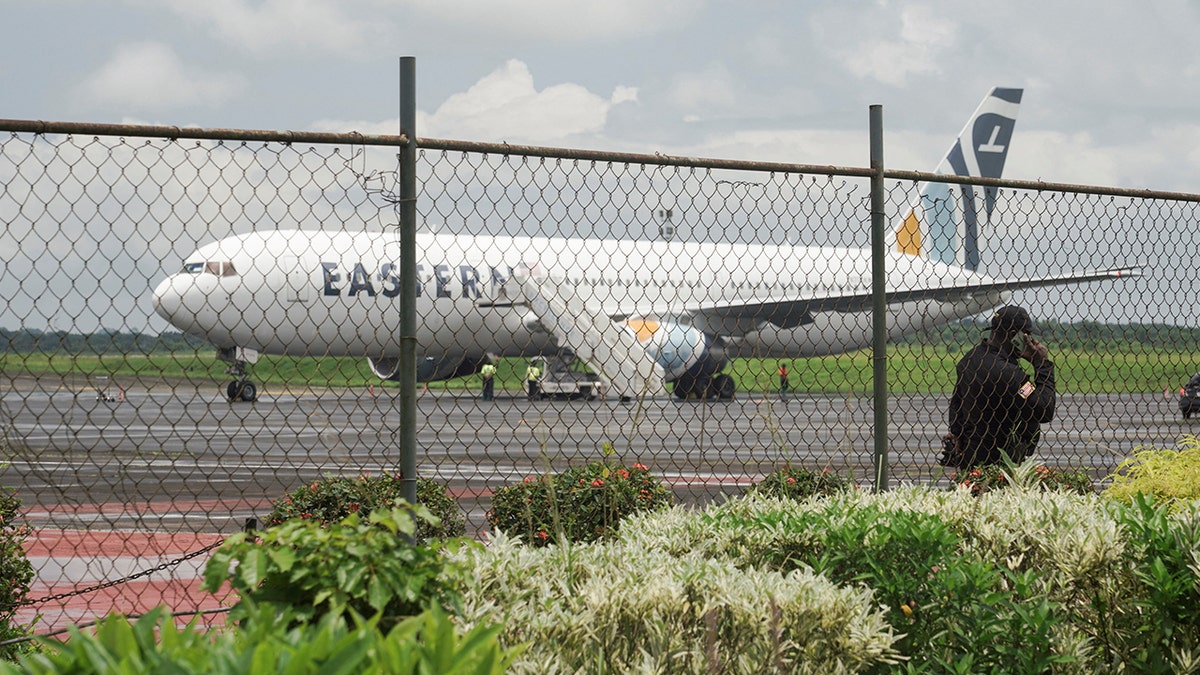
A plane carrying deportees from the United States arrives at Roberts International Airport in Harbel, near Monrovia, Liberia, Aug. 20, 2026. (Reuters/Carielle Doe)
The investigation received support from ICE’s Human Rights Violators and War Crimes Center, which tracks people suspected of committing atrocities abroad who seek to enter or remain in the United States.
Since 2003, ICE says it has arrested more than 520 people for human rights-related violations and removed 1,178 known or suspected human rights violators. The center has also blocked more than 415 suspected human rights violators and war crimes suspects from entering the country.
Anyone with information about a suspected human rights violator in the U.S. can contact the ICE tip line at 866-DHS-2-ICE or submit a tip online.