
An Illinois judge has determined that Corie Walsh is too great a danger to release, after prosecutors claimed the Frankfort mother could threaten her husband and three surviving children. Walsh is charged with killing her 2-year-old son, Barrett.
Forensic psychiatrists, however, emphasize that dangerousness is not a lifelong designation. It is a prediction about future behavior—one that may change if a person’s mental health improves with proper treatment.
Walsh, 40, remains in custody without pretrial release after a Will County judge rejected her request to go home during a detention hearing earlier this month.
The judge also directed that Walsh begin psychiatric medication immediately. Her attorneys had told the court she went several days without treatment, even though a hospital recommended continuous psychiatric care.

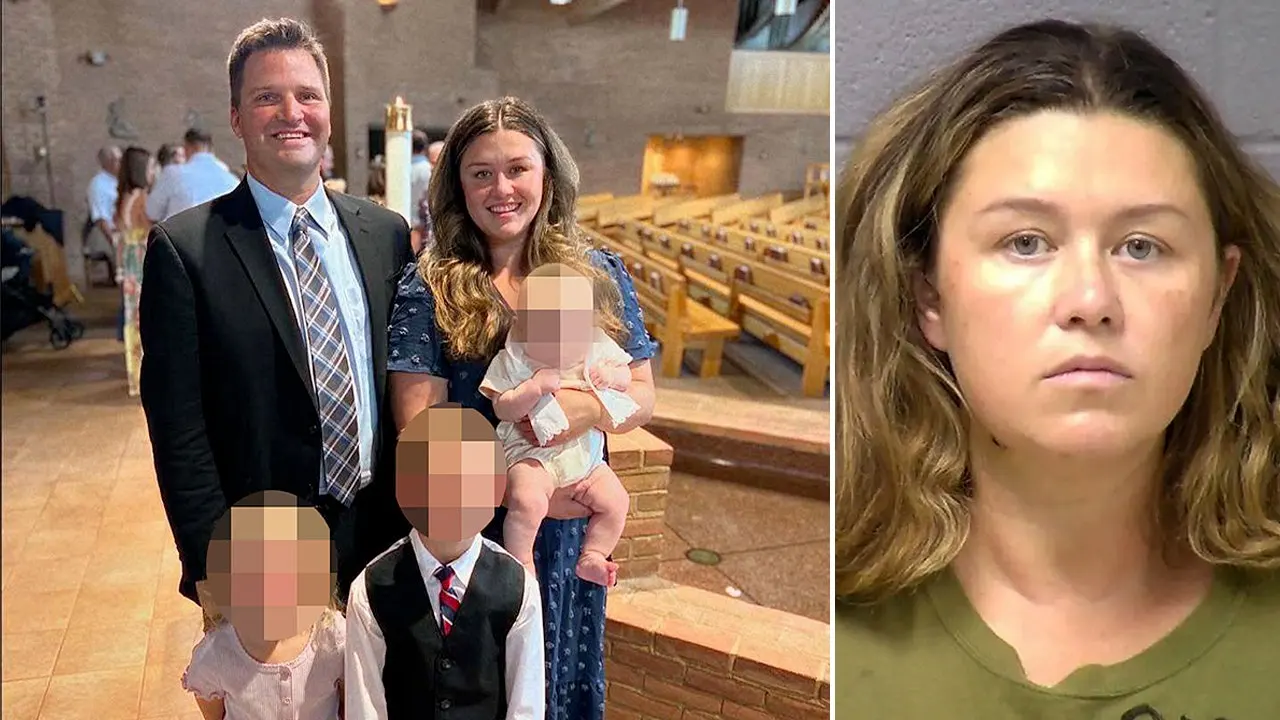
Corie A. Walsh, 38, is shown in a booking photo released by law enforcement. Prosecutors are seeking to keep her jailed before trial following the death of her 2-year-old son. (Will County Detention Facility)
Prosecutors said Walsh should remain behind bars not only because of the allegations in Barrett’s death, but also because she allegedly threatened to kill her husband after being arrested. The judge agreed, concluding that releasing Walsh would present too serious a risk.
The decision also highlights a larger legal and psychiatric question: What does it mean when a judge finds a defendant too dangerous to be released before trial?
In Illinois, pretrial detention decisions focus on the defendant’s current potential danger to other people—not on punishing someone for alleged past conduct.
Dr. Stephen Dinwiddie, a Northwestern University psychiatry professor who has spent about 40 years working in forensic psychiatry, said experts view dangerousness as a projection about what may happen next, rather than as a fixed description of a person.
“Obviously we’re talking more about what we’re afraid they’re going to do tomorrow,” he said. “Part of that prediction is based on what they did yesterday … what they did in the past … and what they have said they intend to do.”
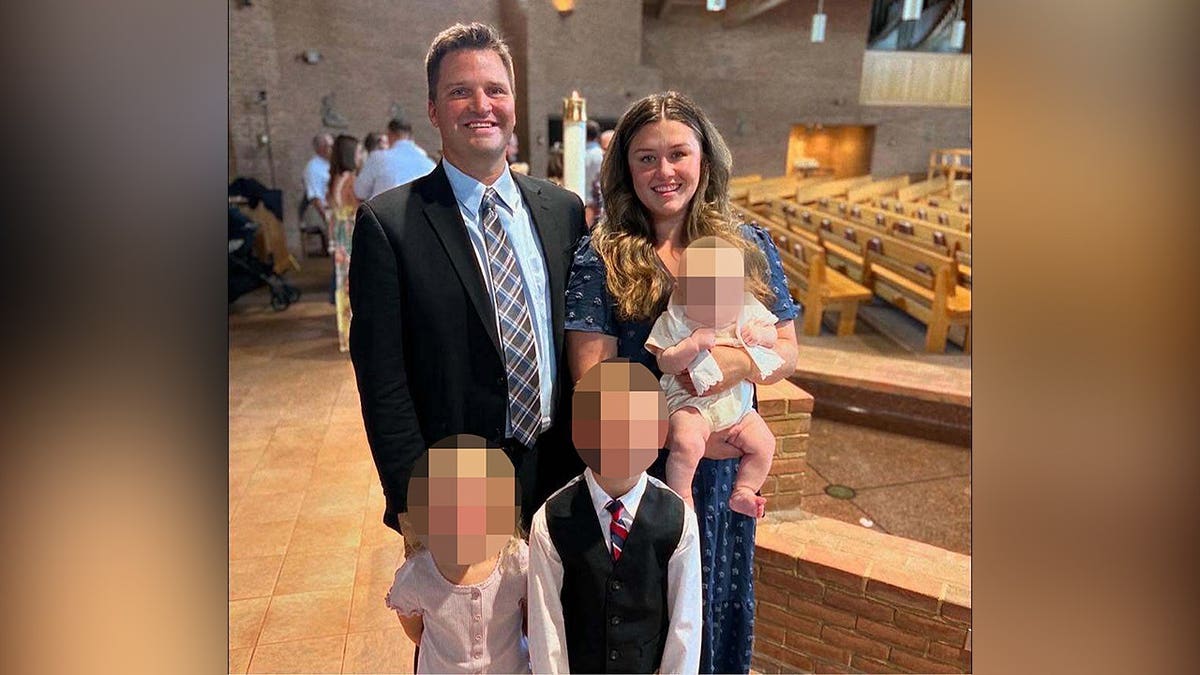
Corie Walsh, right, is pictured with her husband and children inside a church. She faces three counts of first-degree murder in connection with the death of her 2-year-old son, Barrett. (CREDIT: Facebook/ Corie Walsh)
Unlike a criminal verdict, which examines events that have already occurred, a dangerousness determination centers on the risk a person could pose in the future, Dinwiddie said.
“It’s pretty squishy,” he said. “Dangerous to whom? Imminently or long-term? Dangerous in a physical way or something else?”
In civil commitment cases, judges frequently decide whether a person should be compelled to receive treatment because of an immediate risk of harm to themselves or someone else.
The reasoning, Dinwiddie explained, is that “if we don’t act, something bad is going to happen within a matter of days, if not sooner.”
Psychiatric care can significantly affect how professionals assess whether that risk is likely to continue, Dinwiddie said.
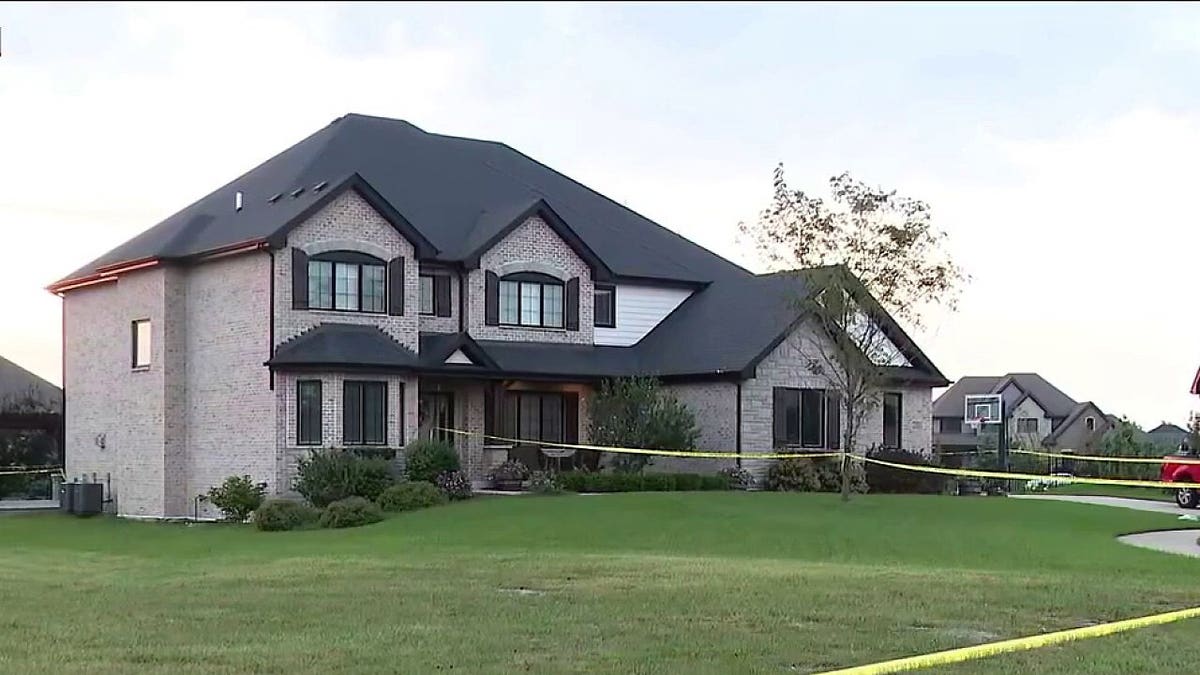
Police tape marks the Frankfort, Illinois, residence where officers discovered an unresponsive 2-year-old boy. (Fox 32 Chicago)
“If they’ve behaved in a violent fashion while ill in the past and now they’re ill, obviously that’s important information and obviously that’s something to worry about,” he said. “The intervention obviously is to try to get at that particular symptom of illness and get it under control.”
That distinction can carry legal weight in Illinois, where judges may revisit a detention decision when circumstances materially change. Even then, the authority to release a defendant before trial remains with the court.
The finding does not mean Walsh will ultimately be released before trial. It means the judge’s conclusion about her dangerousness is not automatically permanent.
“I think most of us believe that our interventions can prevent tragedies,” Dinwiddie said.
He cautioned that psychosis alone does not make someone dangerous.
“I think one misconception is they’re just different. They’re not like us,” Dinwiddie said. “The tragic fact is they are like us and severe mental illness can affect family members. It can affect anybody.”
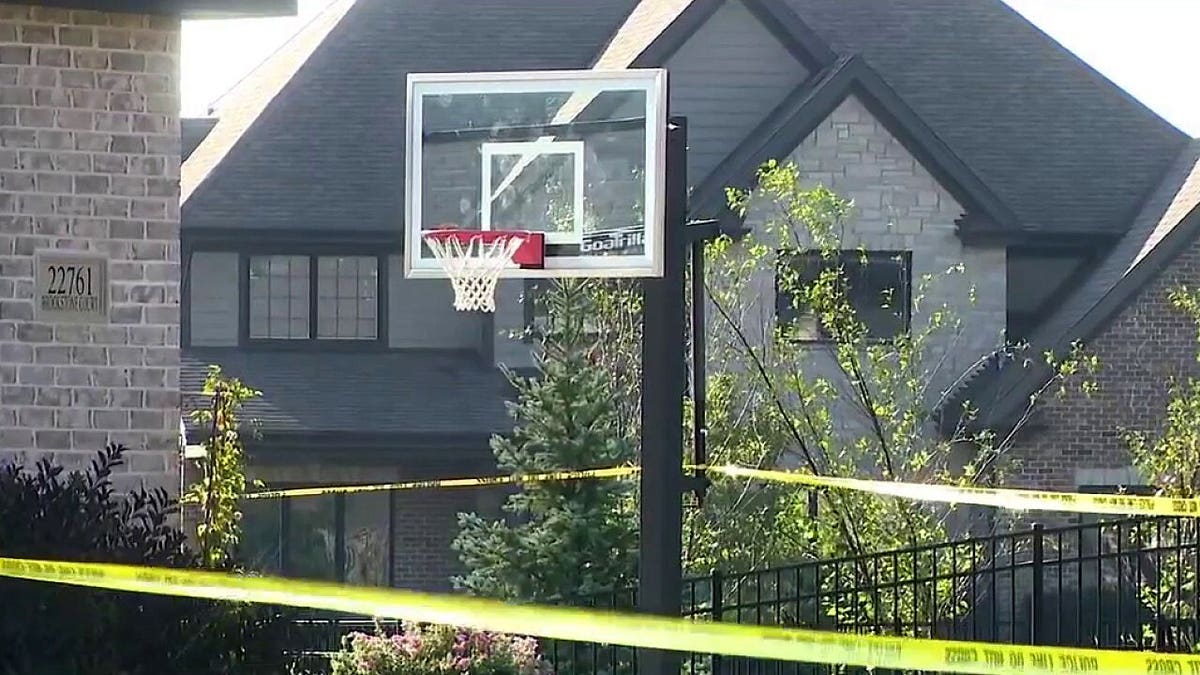
Police tape surrounds the Frankfort, Illinois, home where a 2-year-old boy died. (FOX 32 Chicago)
Another common misconception, he said, is that people experiencing psychosis cannot think logically.
“Within that delusional system, people can act in a very organized, very logical, very purposeful way,” he said.
He described that concept as “rationality within irrationality,” explaining that someone can carry out a series of organized actions while acting on profoundly delusional beliefs.
Dinwiddie also emphasized that psychosis is not a matter of choice.
“The fact that somebody has evidence of a psychotic process … that is not a matter of choice,” he said. “Nobody would wish that upon themselves.”
Walsh is charged with three counts of first-degree murder in Barrett’s death. Prosecutors allege she believed the toddler was the devil and also threatened to kill her husband and the couple’s three surviving children after her arrest.
Walsh has not entered a plea, and the case remains pending.