
Long Island law enforcement agencies conducted nearly 3,000 manual searches in a single month using Flock’s controversial AI-powered surveillance network, according to newly released audit data.
Nassau County police made 1,112 database queries in June, while the Suffolk County Police Department conducted 1,194 searches. The Suffolk County District Attorney’s Office, led by Ray Tierney, carried out an additional 500 searches, according to records obtained and shared by Hempstead defense attorney Richard Hochhauser.
“I practice criminal and DWI defense in Hempstead, and over the last two years the phrase ‘license plate reader’ has gone from an occasional footnote in a police report to a routine part of how cases begin,” Hochhauser said, warning that the surveillance network continues to expand across the region.
Combined, the agencies conducted 2,794 searches during the 30-day period, Hochhauser said.
The figure reflects only searches initiated manually by officers—not automatic alerts generated when the system flags a vehicle. Investigators can enter a license plate, time frame or location to examine a car’s historical movements, according to the audit report.
The stated reasons for the searches varied widely, ranging from routine traffic offenses to allegations involving “suspected terrorism,” the report said.
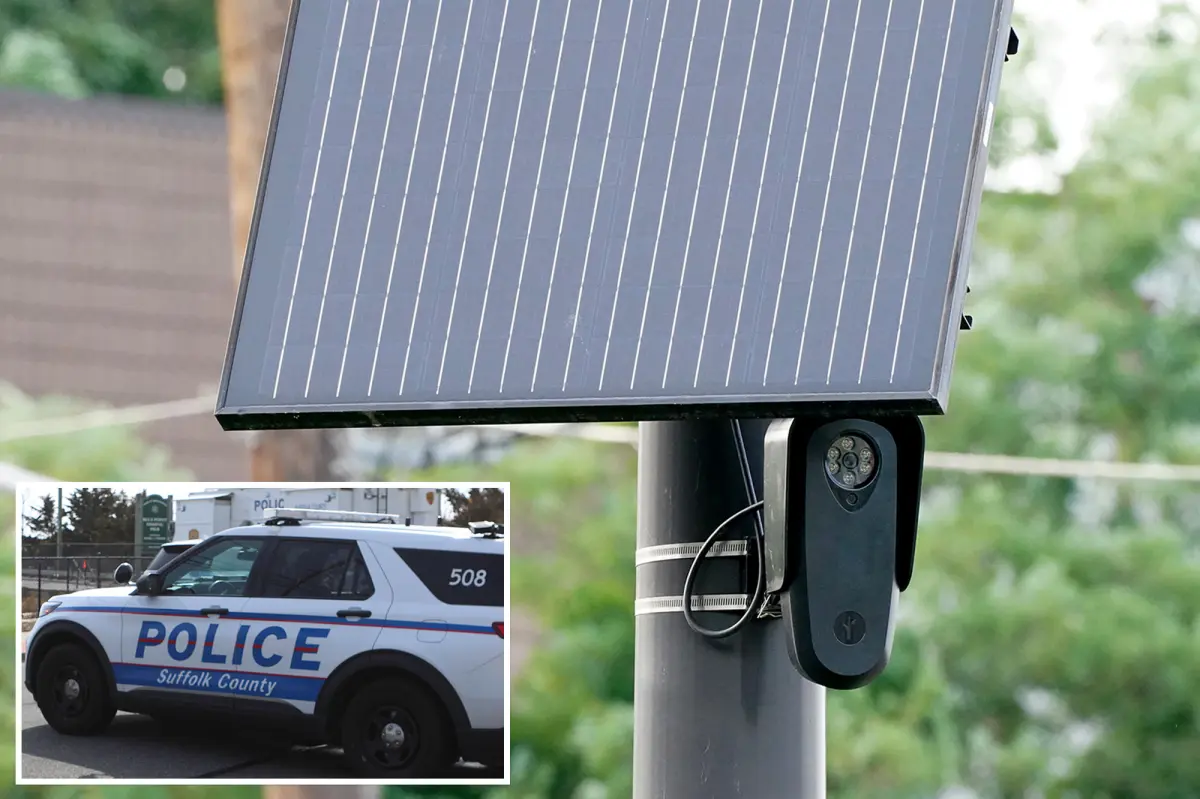
Flock Safety’s network uses smart cameras to capture information on passing vehicles, including license plate numbers and identifying details such as dents, bumper stickers and other distinctive features. That information can then be searched to reconstruct where a vehicle has traveled.
More than 700 Flock cameras now operate across Long Island, stretching over roughly 100 miles from the Queens border to Montauk, according to DeFlock, an activist organization that tracks the company’s surveillance footprint. Thousands of additional cameras have been installed across New York City’s five boroughs.
Hochhauser, a former Nassau County prosecutor who now represents criminal defendants, said New York has no statewide rules spelling out how long Flock data may be retained, who can access it or how improper use would be detected.
Flock says license plate information is automatically deleted on a rolling seven-day schedule by default. However, individual records can be preserved manually beyond that period.
Privacy advocates and other critics argue that the technology amounts to widespread surveillance and could be vulnerable to abuse.
Reports say roughly 60 law enforcement officers have been arrested for allegedly misusing Flock data. That includes 18 arrests in Georgia this summer, among them a police supervisor accused of using the system to monitor her boyfriend.
Lawmakers from both parties have introduced proposals aimed at regulating the technology. Sen. Bernie Sanders, a progressive independent, has called for an outright ban, while libertarian Rep. Thomas Massie has proposed cutting off federal funding for local agencies that use the system.
Nassau County Executive Bruce Blakeman told The Post that Flock is “an important tool in law enforcement,” but emphasized that he would “never allow that tool to be used in an improper way.”
“We have put in place strict guidelines to protect privacy and eliminate any potential for abuse, using information gathered by Flock Cameras,” he told The Post.
The Suffolk County Police Department, which is considering adding Flock’s “Raven” audio-monitoring system, did not respond to The Post’s request for comment.