
Lindsay Clancy trial holdout juror defends vote
The mistrial in the Lindsay Clancy case has prompted holdout juror Michael P. Desronvil to publicly explain his position. Criminal defense attorney Mercedes Colwin examines the juror’s reasoning and the options now available to Massachusetts prosecutors, including a potential retrial or plea agreement, as the closely watched case moves forward.
Lindsay Clancy’s defense team is seeking an investigation into the juror who stood alone in supporting murder convictions for the strangling deaths of her three children.
Defense attorney Kevin Reddington has asked a Massachusetts judge to preserve records involving all 12 jurors and six alternates. The requested materials include juror questionnaires, hallway surveillance footage recorded outside the deliberation room and cellphone sign-in logs.
Reddington is also requesting a “limited inquiry” into the holdout juror, along with information about any background checks potentially conducted after Plymouth County prosecutors filed a February motion seeking access to prospective juror records.
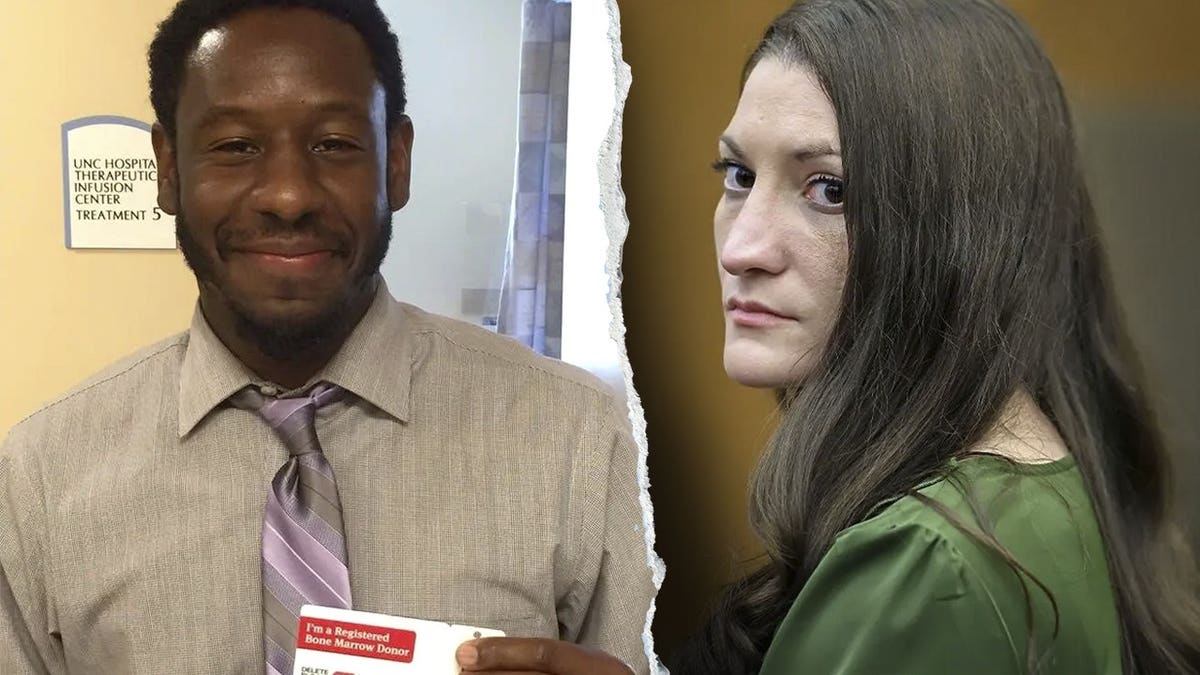
Michael P. Desronvil, left, the lone holdout juror whose position resulted in a mistrial in the Lindsay Clancy case, has hired an attorney who previously represented President Donald Trump. Clancy, right, was charged with three counts of first-degree murder in the strangling deaths of her three children. (Facebook/Brittany K and Greg Derr/The Patriot Ledger via AP, Pool)
The defense is seeking the holdout juror’s questionnaire, supplemental filings, probation records and “Juror Doe’s record from the statewide domestic violence registry.” Reddington also wants prosecutors to disclose whether they have interacted with the juror as a defendant, complainant or subject in any matter dating back to January 2021.
In addition, Reddington is seeking the juror’s cellphone records from 8:30 a.m. to 4:30 p.m. on each day of deliberations. He is asking the court to order an independent review of the juror’s phone activity during that period.
The defense also wants the juror questioned about the accuracy of his questionnaire and voir dire responses, statements he made to the court on Sept. 3, and whether he used a cellphone or consulted outside information during deliberations.
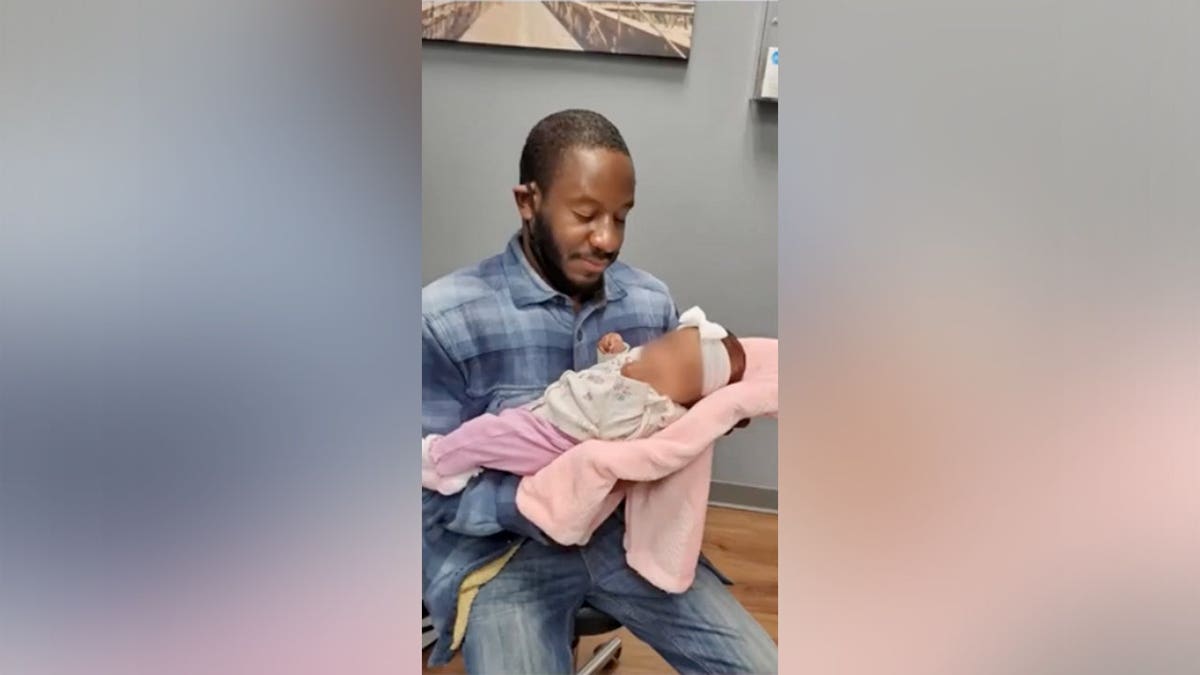
Michael P. Desronvil, the lone holdout juror in the Lindsay Clancy murder trial, which ended with a mistrial. (Fugitive TV)
“The court may also hear from Juror No. 10 limited to what he observed of Juror Doe’s phone use,” Reddington wrote in the filing.
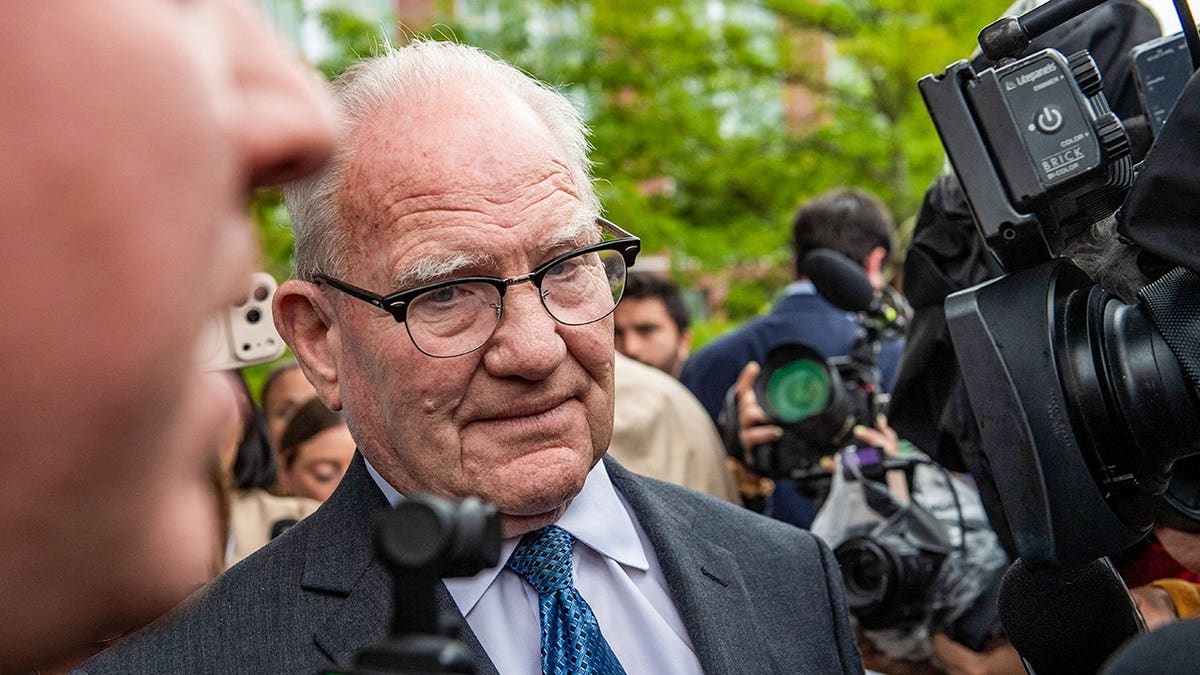
Defense attorney Kevin Reddington speaks to reporters as jurors deliberate the case against Lindsay Clancy in the 2023 deaths of her three children. (Photo by JOSEPH PREZIOSO / AFP via Getty Images)
Clancy’s trial ended in a mistrial on Sept. 4 after the jury reached an 11-1 deadlock favoring a finding that she was not criminally responsible because of mental illness or defect. Her attorneys argued that she was experiencing postpartum psychosis and had repeatedly sought help without receiving adequate assistance.
Prosecutors countered that Clancy acted intentionally and knew it was wrong to strangle her children one at a time with exercise bands.
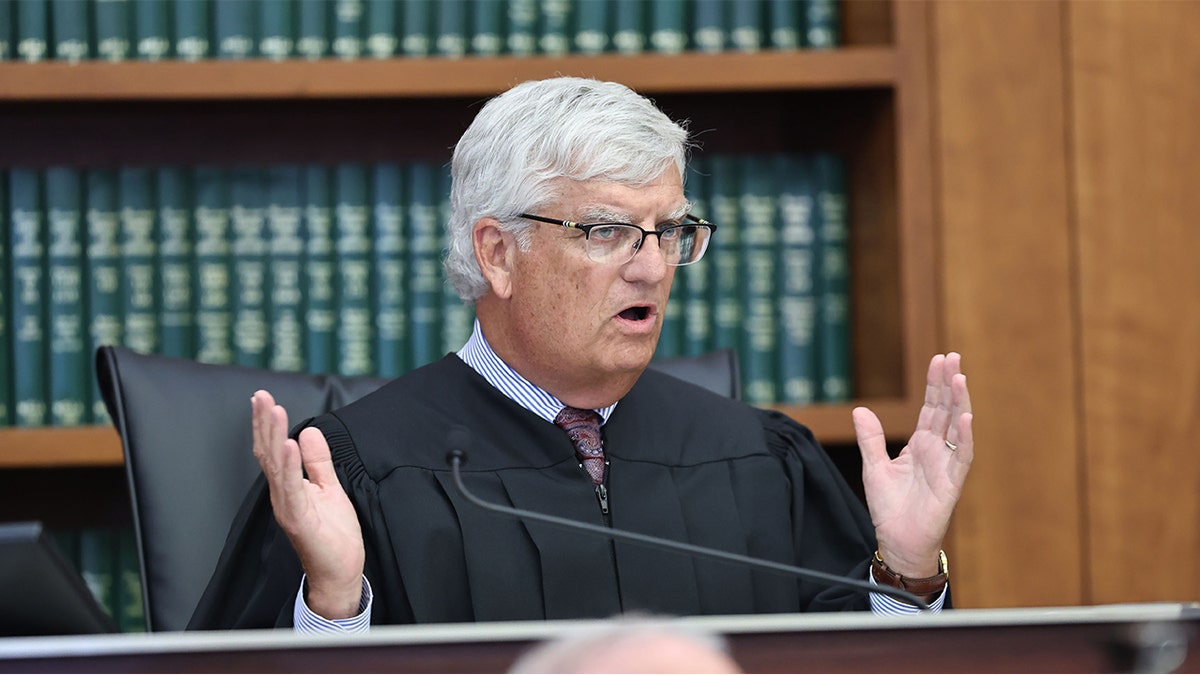
Judge William Sullivan signals that he planned to declare a mistrial before changing course and giving Lindsay Clancy’s defense attorney one hour to appeal, after jurors said they could not reach a verdict on Friday, Sept. 4, 2026, in Plymouth, Mass. (Greg Derr/The Patriot Ledger via AP, Pool)
The juror is identified as “Juror Doe” in the motion because a court impoundment order bars the release of the panelists’ identities.

Callan, left, Dawson and Cora Clancy. The three children were killed at their home in Duxbury, Massachusetts, in January 2023. (Lindsay Marie Clancy/Facebook)
Prosecutors have not formally said whether they will pursue a new trial for Clancy, who faces three first-degree murder charges in the deaths of Cora, 5, Dawson, 3, and Callan, 8 months.
Separately, Clancy’s attorney has asked the court to override the holdout juror and enter not-guilty verdicts. Although such motions are routine, legal experts say they are rarely granted.