
A Tennessee man arrested in a pre-dawn police raid after recording and criticizing an officer has sued the Kingsport Police Department, alleging that authorities violated his First Amendment right to free speech.
The Foundation for Individual Rights and Expression (FIRE) filed the lawsuit in 2023 on behalf of Joshua Gibbons against the city of Kingsport, its police chief and several officers. Gibbons is only now publicly releasing the complaint after the Tennessee Court of Criminal Appeals overturned his conviction and dismissed the last remaining charge against him.
“They tried to intimidate me, but I’m not backing down,” Gibbons said in a statement. “I can’t let this injustice stand, because my family doesn’t feel safe anymore. There’s no coming back from that raid on our home. They sent eight heavily armed officers to arrest me because I embarrassed them.”
The dispute began in October 2022, when Gibbons recorded a Kingsport police SUV traveling at high speed at night without its lights or siren activated. The lawsuit alleges that the officer’s conduct violated both department policy and state law. Gibbons followed the vehicle to a fast-food drive-thru, where he filmed himself briefly criticizing the officer.
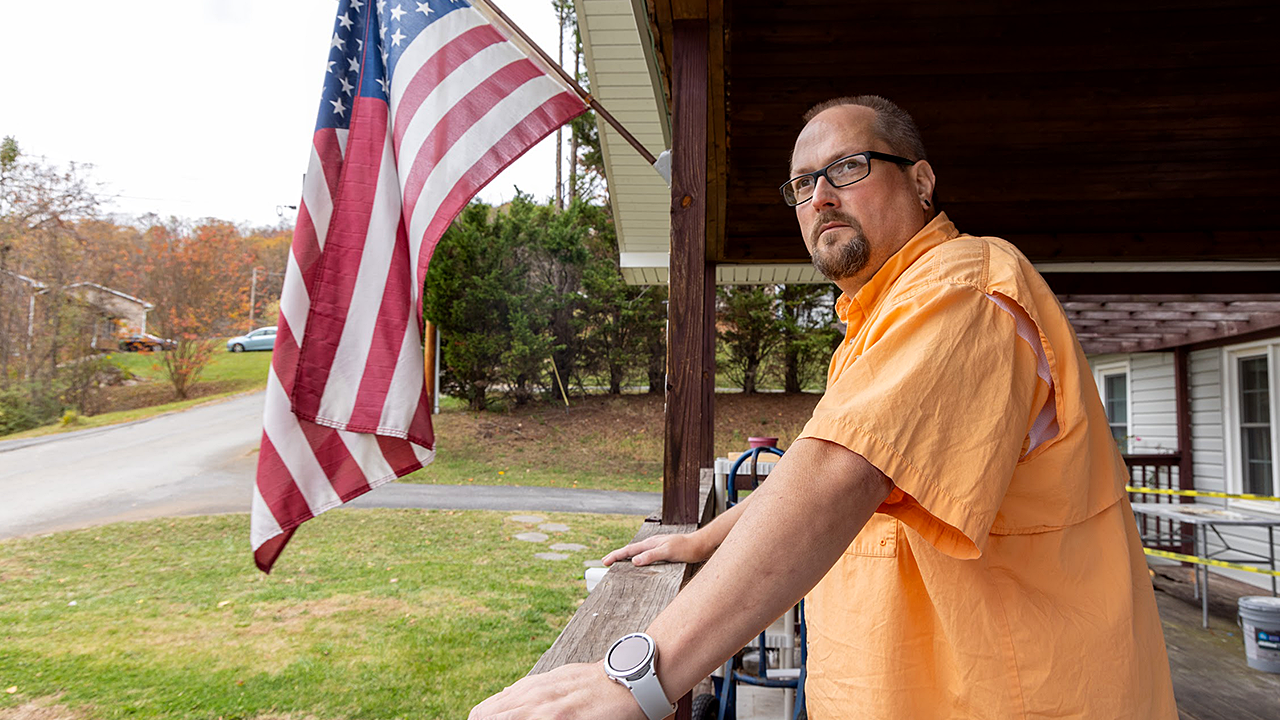
Joshua Gibbons sued the police department, alleging that officials violated his First Amendment rights. (Foundation for Individual Rights and Expression)
“When he caught up with the officer, the officer did the right thing. He ignored Joshua Gibbons, didn’t arrest him, didn’t view it as a crime, and went and got his hamburger,” FIRE Senior Attorney Adam Steinbaugh told News Outlet.
Gibbons regularly posts videos of police officers performing their duties, saying the recordings are intended to promote accountability. He later uploaded a second video showing an officer giving him the middle finger.
According to FIRE, another citizen subsequently complained to the police department about the officer’s behavior. The department then searched Gibbons’ YouTube channel for material it could use against him.
Investigators found the video showing their own officer speeding. Rather than discipline the officer, however, the department sent officers to arrest Gibbons, FIRE alleges.
“The First Amendment protects the right not only to criticize and film police, but also to post it online. The police department didn’t treat this as a crime until Joshua posted this online and embarrassed the department,” Steinbaugh said.
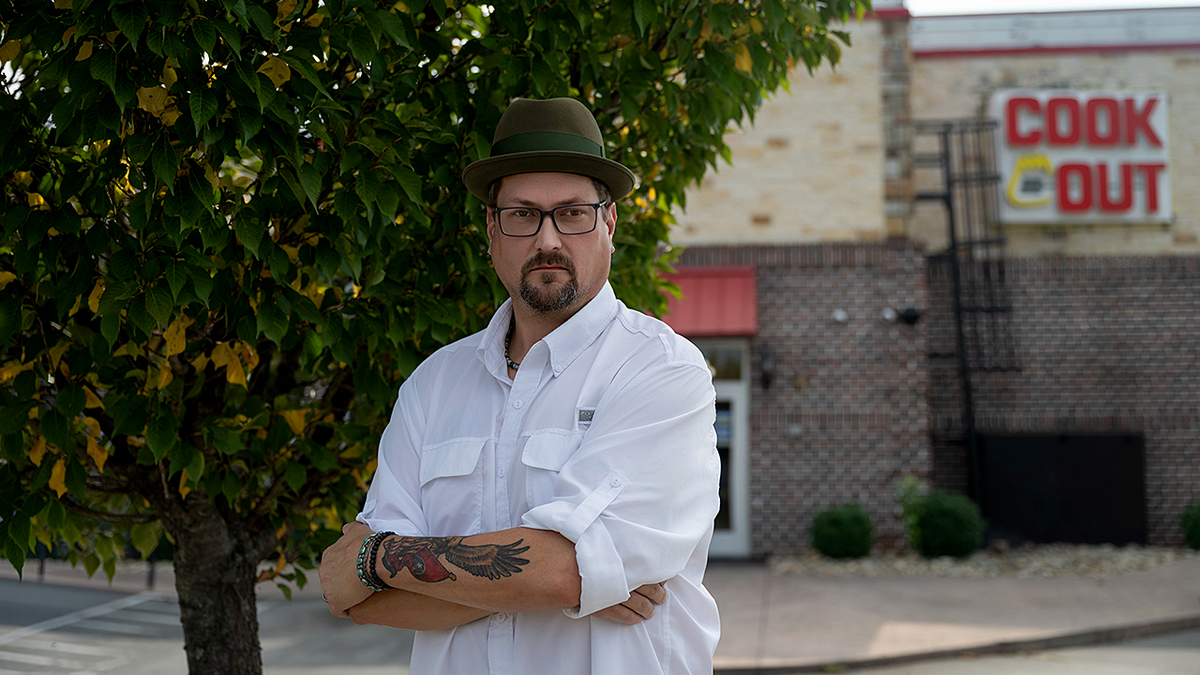
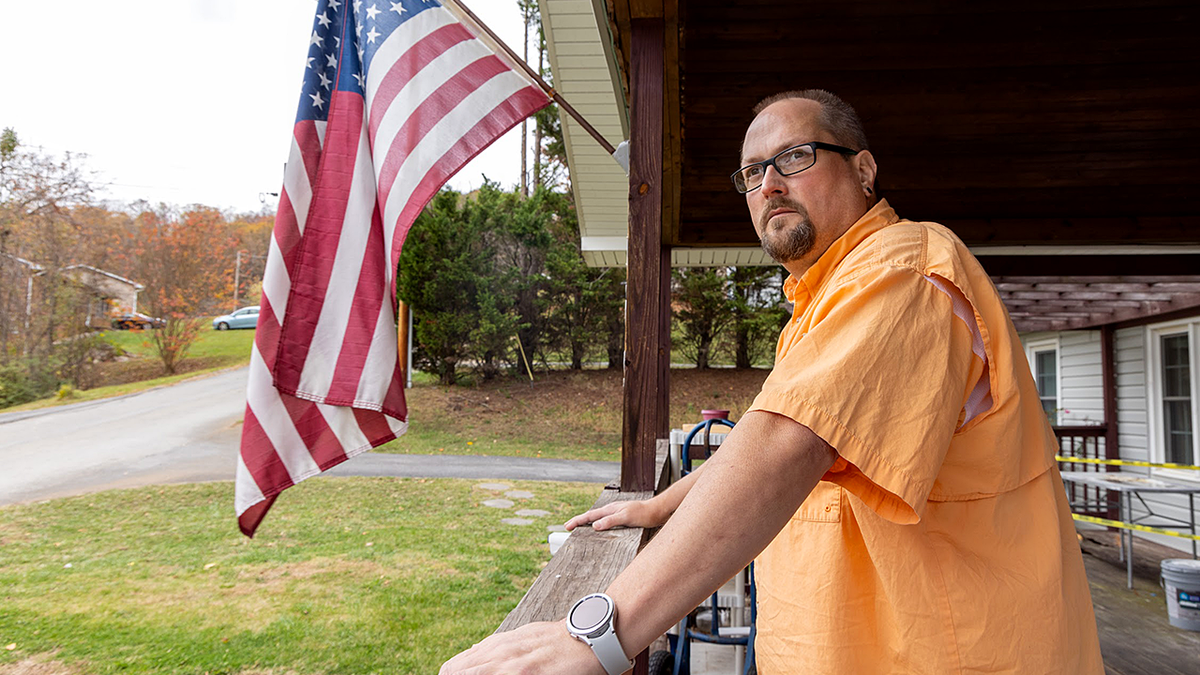
Joshua Gibbons endured two trials over nearly four years before a Tennessee appeals court dismissed the charges. (Zelina Photography)
Steinbaugh described the case as “as lawless as it was hypocritical,” arguing that the department’s actions were intended “to make an example out of a critic.”
The lawsuit says an arrest warrant was secured within two hours of the department learning about Gibbons’ video of the speeding officer. The warrant accused him of speeding, using a cellphone while driving and disorderly conduct. FIRE said the document was obtained from a court clerk rather than a judge.
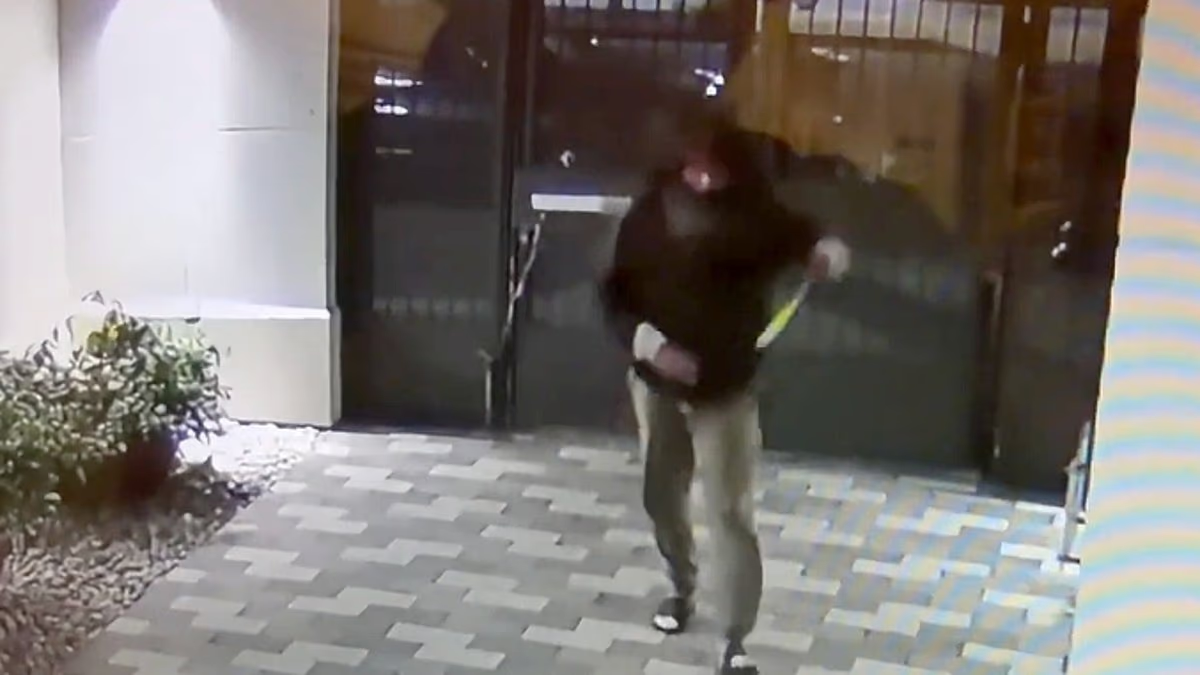
Just before dawn the next morning—nine days after Gibbons recorded and criticized the officer—eight armed officers arrived at his home. Security and cellphone footage captured the raid and Gibbons’ arrest in front of his elderly mother and daughter.
Gibbons ultimately went through two trials over nearly four years before the Tennessee Court of Criminal Appeals dismissed the remaining charge.
“That’s a long process that can take a mental toll on someone. I think that Joshua wants to send a message to this department. I think he wants to see some reforms to this department, and we’re happy to support him,” Steinbaugh said.
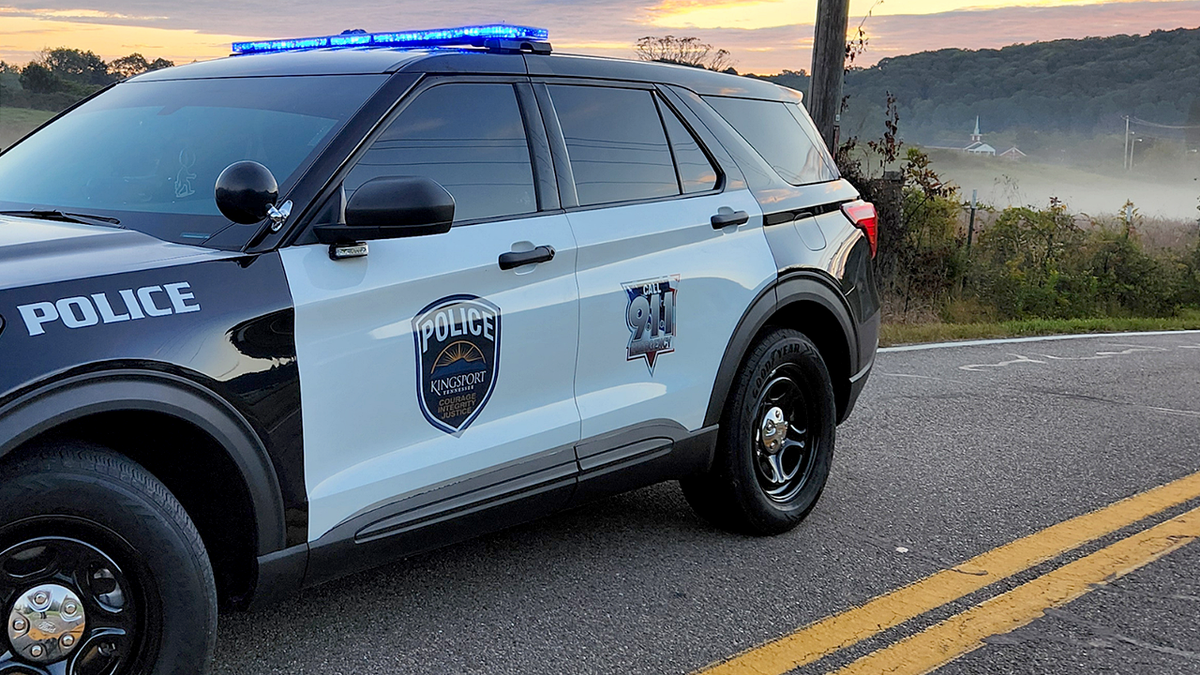
The civil lawsuit names the city of Kingsport, its police chief and multiple officers as defendants. (Kingsport Police)
At the first trial, a judge acquitted Gibbons of the speeding and cellphone charges but convicted him of disorderly conduct. The judge said he was “offended by the way” Gibbons was “talking to that officer.” Gibbons appealed to the county circuit court, where a jury again found him guilty of disorderly conduct.
In June, however, the Tennessee Court of Criminal Appeals unanimously reversed the verdict and dismissed the disorderly conduct charge. The court concluded there was “no evidence” that Gibbons’ criticism had prevented anyone from carrying out a lawful activity.
The appeals court said Gibbons “did not threaten anyone, did not engage in any violent behavior, and did not create a physically offensive or hazardous condition.” It also emphasized that even “‘profane and insulting’ words alone will not rise to the level of a crime,” particularly when directed at police officers, who “are trained to exercise a higher degree of restraint than the average citizen.”
“If you are a law enforcement officer, you are required by your uniform and by the First Amendment to tolerate criticism. Some of that’s going to be fair criticism, some of it’s going to be unfair criticism. But you don’t get to go and arrest people for it. That’s the message we want to send to this department and to departments around the country,” Steinbaugh said.
Kingsport Police did not respond to News Outlet’s request for comment in time for publication.