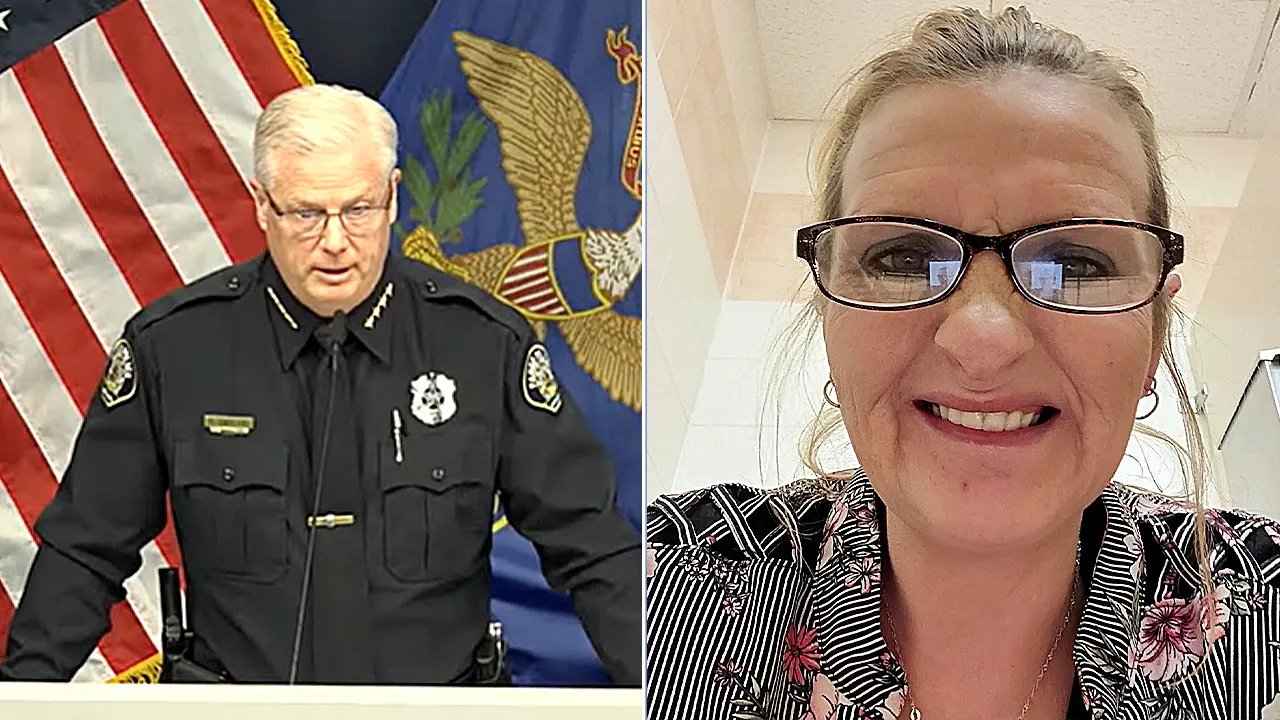
A Tennessee grandmother is suing the city of Fargo, North Dakota, and its police department, alleging she was wrongly detained for nearly six months after investigators misused artificial intelligence facial-recognition technology while pursuing a bank theft suspect.
Angela Lipps, 50, of Elizabethton, Tennessee, said she was looking after her neighbor’s four children in July 2025 when officers arrived at the house and arrested her at gunpoint.
In a complaint filed Sept. 15, 2026, Lipps alleges authorities based her extradition from Tennessee to North Dakota entirely on an inaccurate AI facial-recognition result, even though she had no ties to the alleged crime or to the state.
Police technology experts told News Outlet that the case is one of more than a dozen known incidents in which law enforcement has allegedly mishandled facial-recognition tools.
“I sat in a county jail in Tennessee for 108 days,” Lipps wrote in a GoFundMe post. “They said I was a fugitive from justice. I had no bail. No one interviewed me. I just sat and waited.”
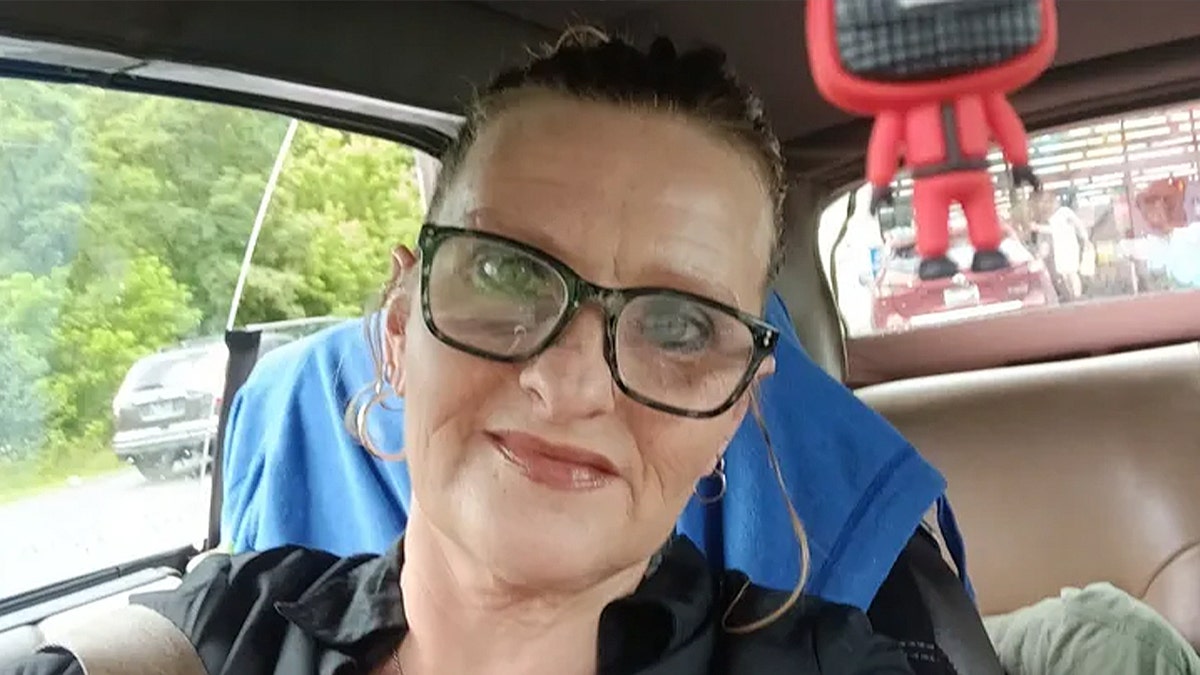
Lipps says she spent 108 days in a Tennessee jail before being extradited to North Dakota, where the charges were eventually dismissed. (City of Fargo/GoFundMe)
The investigation began after an unidentified woman allegedly used counterfeit identification and stolen personal information to commit bank fraud in Fargo and West Fargo during April and May 2025, according to the lawsuit.
Investigators reportedly submitted a photograph from one of the suspect’s fraudulent identification cards to Clearview AI for facial-recognition searches instead of relying on surveillance images, the complaint said.
Clearview AI instructs users to regard its results only as potential investigative leads. However, Fargo police allegedly presented the match involving Lipps as a confirmed identification without revealing that it had not been independently verified, according to the lawsuit.
West Fargo police, by contrast, reportedly chose not to pursue charges because the facial-recognition result lacked supporting evidence.
A West Fargo police captain described AI facial recognition as “close to a last-ditch effort” in investigations, according to the complaint.

Lipps alleges investigators failed to consider evidence showing she was hundreds of miles away in Tennessee when the North Dakota bank thefts occurred. (City of Fargo/GoFundMe)
The lawsuit alleges Detective Lucas Heck never examined Lipps’ financial and travel records, which showed she was in Tennessee at the time of the thefts, and did not arrange photo lineups with bank employees. Surveillance footage also reportedly showed notable differences between Lipps and the alleged offender, including a different body type and a neck tattoo that Lipps had but the suspect did not.
EXPLORE MORE: Law Firm Romance Turns Toxic, Sparking $500K Court Battle
“Heck ignored, concealed, and misrepresented exculpatory evidence that Lipps did not commit the bank thefts,” the complaint stated.
On July 14, 2025, U.S. Marshals surrounded a neighbor’s home in Tennessee and arrested Lipps under a nationwide warrant, according to the lawsuit.
She was later extradited to North Dakota and held on $100,000 bond while facing eight felony charges. The most serious counts carried potential prison sentences of up to 10 years.
Prosecutors dropped all of the charges on Dec. 24, 2025, after Lipps provided bank records that placed her in Tennessee when the alleged thefts occurred.
“When she was released, she found that her residence, car, and personal property were lost while she was absent,” the complaint said.
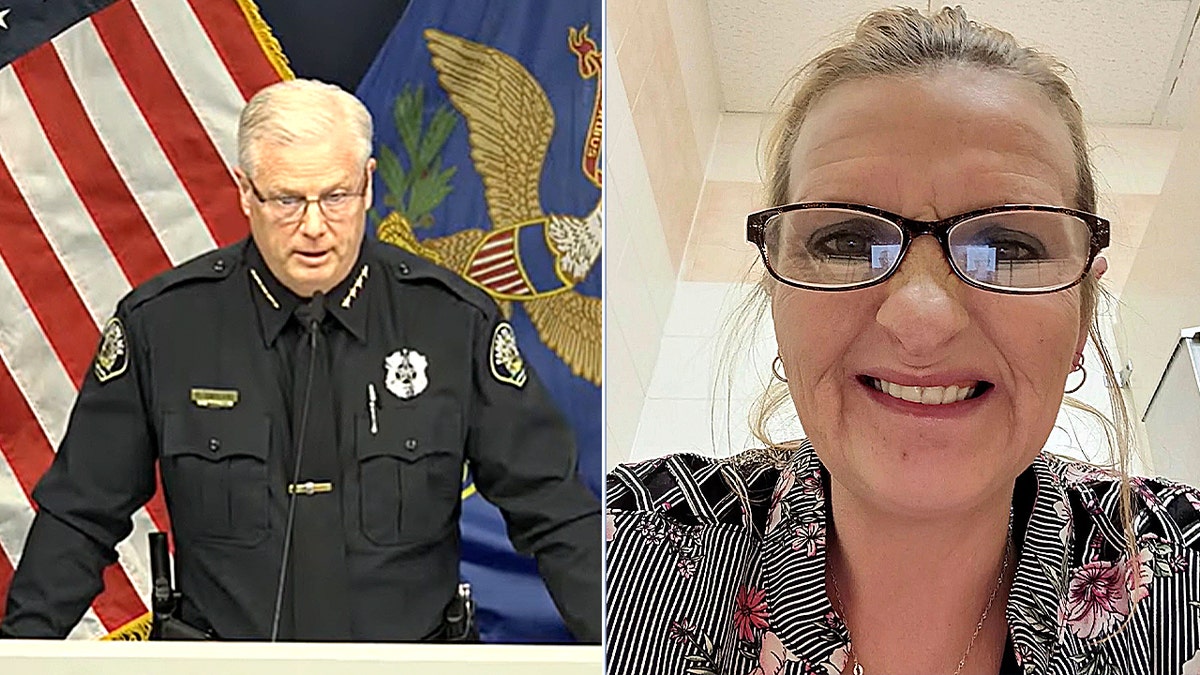
Fargo officials later acknowledged that mistakes had been made in the police department’s use of facial-recognition technology. (City of Fargo/GoFundMe)
Amid growing public criticism, the Fargo Police Department and the city acknowledged investigative errors during a March 2026 news conference, including problems related to the department’s use of facial-recognition technology.
“When chief found some errors that were made in this area of where we got our facial recognition and how that worked, we immediately addressed it,” Mayor Tim Mahoney said.
Clare Garvie, the deputy director of Technology Law & Policy with the Policing Project, told News Outlet that incidents involving the alleged mishandling of AI have increased as law enforcement agencies adjust to “integrate AI and additional tools into police investigations.”
“We are aware of 16 misidentifications stemming from a face recognition match where someone was wrongfully arrested and spent time in jail because of that misidentification, and in many of these cases, it was because additional investigative steps weren’t taken to prove, or in these cases to disprove, the face recognition match,” Garvie said in an interview.
“We’re asking officers to do a different job now, such that we need to update how we think about these workflows,” she added.
In an interview with News Outlet, Nate Freed-Wessler, a deputy director at the American Civil Liberties Union, said the rise of artificial intelligence in law enforcement has fueled wrongful arrests across the country.
“We’ve been seeing these kinds of wrongful arrests happening for at least five or six years now out of this kind of AI technology. And the rate of them seems to be increasing,” he said.
“We’ve seen cases where police intentionally avoid making any notes about their use of facial recognition technology or other AI.”
EXPLORE MORE: Troubling Past of Southern Mom, 31, Revealed After 5-Year-Old Daughter’s Tragic Death