
Horror fans may approach Mike Flanagan’s Carrie with understandable hesitation. After all, Stephen King’s short novel already became a tightly constructed classic film, raising an obvious question: what can a miniseries add? Flanagan’s answer emerges when Carrie enters high school. By expanding that transition, the series finds new room for complexity, exploring a wider web of fear, vulnerability, and human weakness.
For Carrie, high school is an overwhelming introduction to a world she has never been prepared to navigate. Bullies, social media, parties, and the pressures of teenage life collide with her sheltered upbringing—but she is not the only student experiencing a personal upheaval. Her presence fuels cruelty among her classmates while also forcing them to confront difficult questions about their identities and choices. Chris, Sue, and the other teenagers each face conflicts of their own. Although it would be too simple to say every character receives a separate storyline, Flanagan and writers including Justina Ireland and Elan Gale move decisively in that direction. Strong performances from Siena Agudong and Alison Thornton, who vividly conveys the turmoil inside Chris, make those arcs convincing.
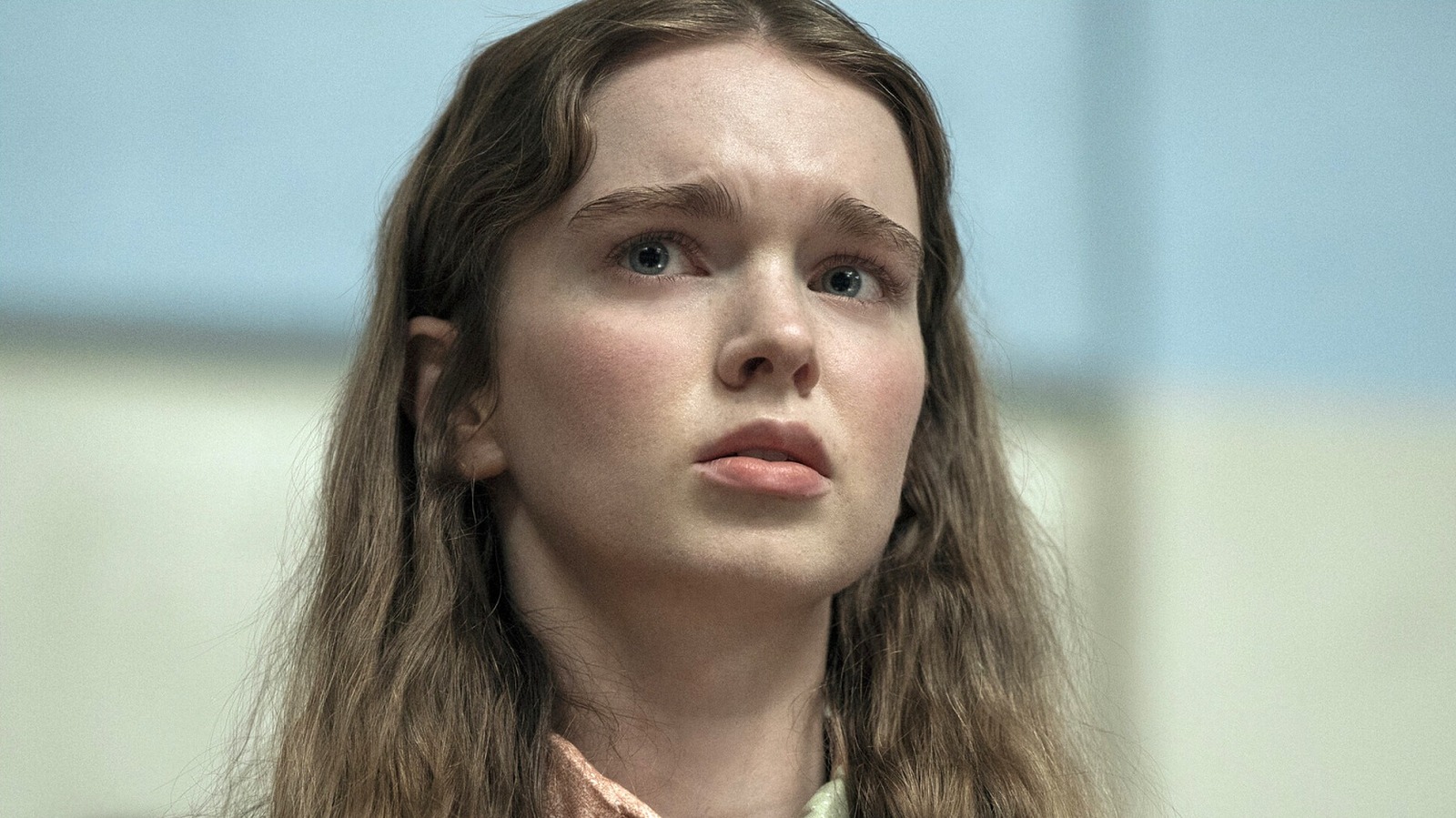
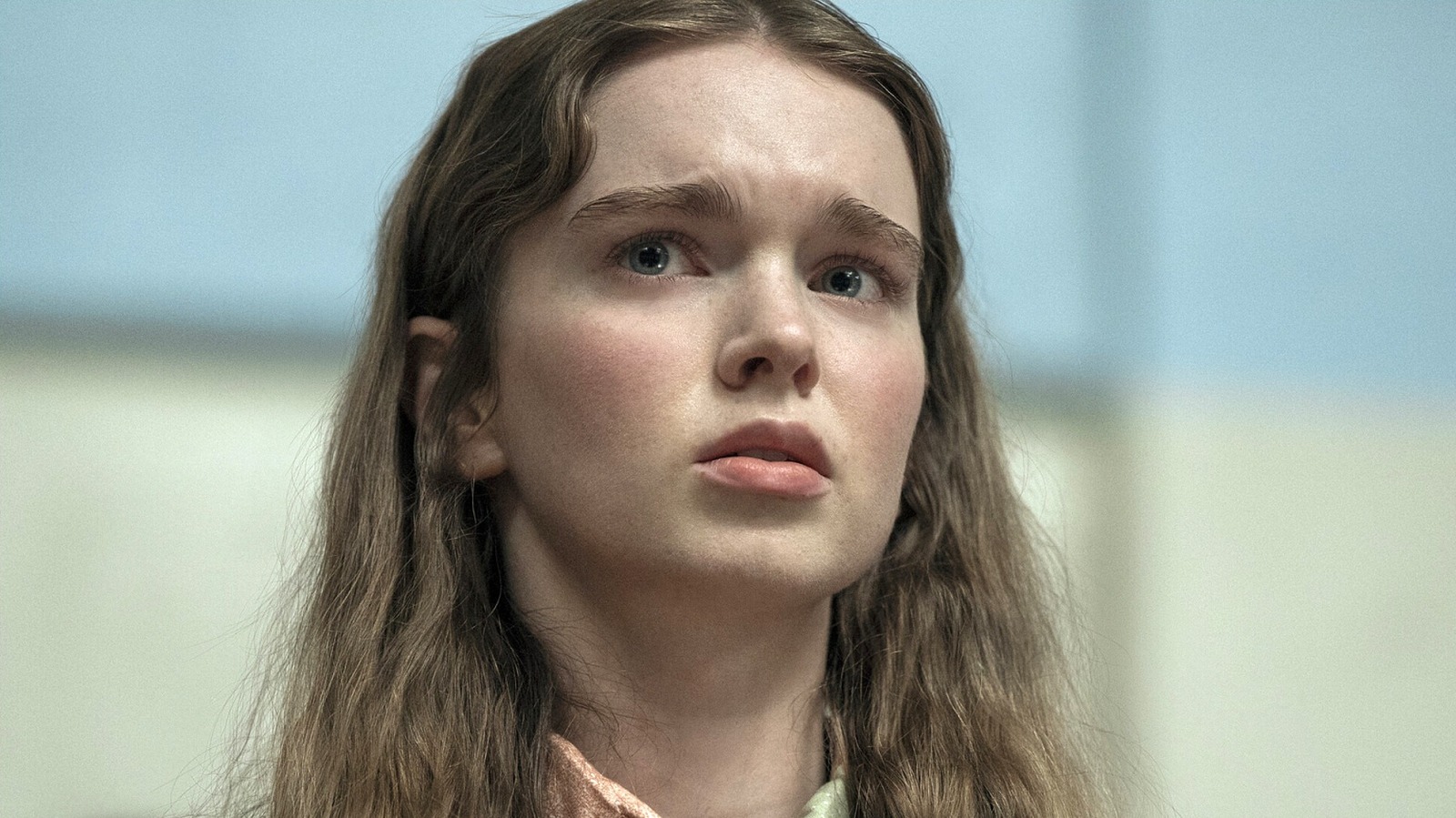
Even with the expanded ensemble, Carrie remains Carrie’s story above all else. That places much of the emotional burden on Summer H. Howell, alongside Samantha Sloyan, who sets aside Margaret White’s more exaggerated qualities to reveal a woman who is frightened, furious, and dangerously human. Following the path established by Sissy Spacek, Howell captures both Carrie’s innocence and her intelligence. Her character learns quickly, yet nothing in her life has equipped her for the world’s cruelty—or for the speed with which kindness can turn into something darker. It is a remarkable central performance, and an essential one as Flanagan reaches beyond a simple expansion of Stephen King’s original plot.
The familiar story beats remain, but this Carrie is ultimately concerned with the broader demands America places on its teenagers. Each of these young people is, in some way, resisting a social cage whose bars keep shifting whenever escape seems possible. At times, the conflict is straightforward: bullies behaving cruelly. More often, however, the series pursues larger ideas through unexpected plot turns and deeper questions about what high school does to the people trapped inside it. Carrie serves as the story’s emotional center and its gateway to a wider conversation—not only about the misery of adolescence, but also about how that misery might be challenged. Once again, Mike Flanagan brings a distinctly humanist perspective to horror, creating a series that is difficult to look away from.
Carrie premieres October 7 on Prime Video.