

Static Media
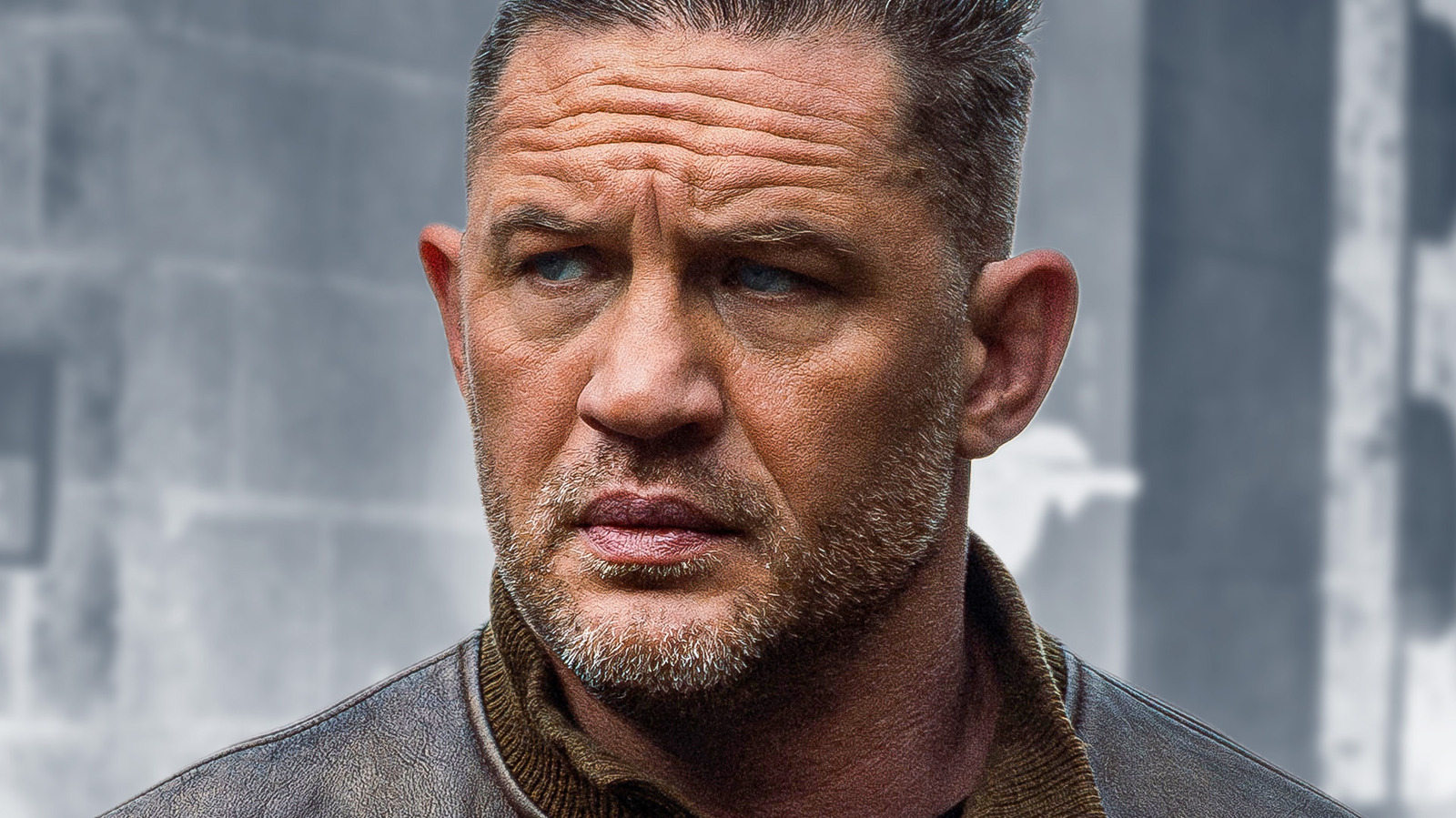
Season 2 of “MobLand” is now underway, but the wait between weekly episodes may feel agonising for viewers desperate to discover what danger Harry (Tom Hardy) and the Harrigan crime dynasty will face next. To help fill the gap, we’ve rounded up a selection of gripping series with a similar appeal — compact enough to binge between new episodes of the Paramount+ drama. Every recommendation has a relatively low episode count, making it possible to finish in a week or less.
We have deliberately left out the crime dramas that everyone already knows and loves. You probably don’t need a reminder to watch “The Sopranos” or its most obvious companions. Instead, because “MobLand” is a British production, this list focuses on acclaimed shows from the U.K. and Ireland — all of which are available to stream in the United States.
If “MobLand” has you hooked, these dramas could become your next television obsession. Several also have follow-up seasons in development, so now is an ideal time to catch up before their returns.
Gangs of London
AMC+
Often compared with “MobLand,” this explosive crime thriller was co-created by “The Raid” director Gareth Evans. With a fourth season on the horizon, “Gangs of London” is well worth revisiting. The story begins after the assassination of the head of the city’s most powerful crime family, setting off a brutal struggle for control. This is not simply a British take on “The Sopranos”; it is a sprawling battle between some of the world’s most formidable criminal organizations. Loosely inspired by a 2006 PlayStation Portable game of the same name, the series follows the surviving Wallace family as Sean (Joe Cole) and his mother, Marian (Michelle Fairley), investigate the killing. Their search sends shock waves through London’s underworld, placing fragile alliances and long-standing peace deals at risk.
As the Wallace operation begins to collapse, an undercover officer (Sope Dirisu) embeds himself within the family to expose its criminal activities. Instead, he becomes increasingly seduced by the world he was supposed to bring down. The show’s defining feature is its spectacular, frequently outrageous action, with the fifth episode of Season 1 earning particular praise for its extended shoot-out.
Later seasons place the Wallaces against a succession of underworld enemies, delivering increasingly graphic methods of torture and murder along the way. Although its surface recalls a Guy Ritchie production, the series is ultimately closer to the merciless brutality of the “John Wick” films. Its next chapter will need to find an even bigger way to raise the stakes.
This City is Ours: A Crime Family Saga
BBC
Family succession and criminal power also drive this acclaimed BBC drama, recently renewed for a second season. “This City is Ours: A Crime Family Saga” shifts the action several hundred miles north to Liverpool, where Sean Bean plays veteran crime boss Ronnie Phelan. When Ronnie prepares to leave the underworld, his chosen successors collide: his loyal lieutenant Michael (James Nelson-Joyce) and his son Jamie (Jack McMullen).
Created by Stephen Butchard, the series takes a markedly different path from “Gangs of London.” Its tone is closer to imagining a Ken Loach-directed version of “The Godfather,” giving as much attention to Michael’s personal life as to his criminal responsibilities. He dreams of leaving the business behind, building a home with his girlfriend Diana (Hannah Onslow) and starting a family. Fertility-clinic appointments become almost as routine as meetings with gang associates, yet every attempt to escape the life pulls him back into it.
The crime narrative follows familiar territory, but Butchard’s writing gives it a distinct identity by capturing the culture and character of northwest England. James Nelson-Joyce earned a BAFTA nomination for his performance, while the show itself was shortlisted for best drama. A second season could further expand its growing cult following. American viewers, however, should be prepared to use subtitles — some of the Scouse accents are especially challenging.
A Thousand Blows
Disney+
James Nelson-Joyce also appears in a major supporting role in this 1880s-set drama from “Peaky Blinders” creator Steven Knight. “A Thousand Blows” explores London’s East End through the illegal bare-knuckle boxing scene and the criminal networks surrounding it. Stephen Graham plays a self-styled “emperor,” while the first season follows his escalating conflict with the Forty Elephants, an all-female gang led by Erin Doherty’s Mary Carr. Alongside them is Hezekiah Moscow (Malachi Kirby), a newly arrived Jamaican immigrant determined to establish himself as a professional boxer.
The main weakness of the opening season — which was followed by a much more warmly reviewed second season — is its crowded structure. It introduces so many storylines that some receive less attention than they deserve. Mary Carr and Hezekiah Moscow were both real historical figures capable of carrying a series alone. Even so, Knight uses their stories to deliver a richly researched, propulsive portrait of immigrants and women navigating late Victorian Britain.
By focusing on people largely excluded from traditional history — and on their attempts to gain wealth and influence inside a white, male-dominated boxing world — the drama exposes the era’s deep power imbalances. It is also among Knight’s most exciting creations, which makes its relative lack of attention all the more surprising. Like the figures it portrays, the series has been overlooked for far too long.
Love/Hate
RTE
Widely regarded as one of Ireland’s finest television dramas, “Love/Hate” takes viewers deep into Dublin’s criminal underworld. Created by playwright Stuart Carolan, the first season introduces Darren Treacy (Robert Sheehan), who returns from Spain hoping to leave drugs and violence behind and build a fresh life with Rosie (Ruth Negga). Those plans vanish after his brother is murdered, drawing Darren back into the gang controlling the city, led by Aidan Gillen’s ruthless John Boy.
Premiering in 2010, the series connected immediately with Irish audiences living through the fallout from one of the most severe financial crises of 2008. Unemployment climbed to a devastating 14% by 2012, while austerity continued to shape everyday life. In that environment, John Boy’s claim that the underworld offered the only reliable route to money carried an unsettling plausibility for hundreds of thousands struggling to survive.
“Love/Hate” combines familiar gangster-drama ingredients with sharp social commentary, an unusually bold examination of religion for Irish television and a series of powerful performances. Darren’s outspoken atheism places him at odds with his deeply religious peers, adding another layer of tension to the story. More than a decade later, the show remains as compelling and compulsive as it was when it first became a national sensation.
Top Boy: Summerhouse
Channel 4
Many viewers discovered “Top Boy: Summerhouse” through Netflix’s 2019 revival. The original series consisted of two short seasons, each running for four episodes, broadcast on Channel 4 in the early 2010s. Despite critical acclaim, it was cancelled after Season 2, even as plans for a third season developed. Its return became possible after Canadian rapper and superfan Drake helped champion the show. Netflix initially labelled its continuation as Season 1, with the earlier episodes later added under the title “Top Boy: Summerhouse.” The timeline is admittedly confusing.
The first two seasons centre on the quiet and observant Ra’Nell Smith (Malcolm Kamulete), who becomes involved in the local drug trade while his mother is in hospital. He begins growing cannabis for dealers Dushane (Ashley Walters) and Sully (Kane Robinson), hoping to raise money for a pregnant friend of his mother. When a rival steals Dushane and Sully’s supply, the focus shifts toward the volatile relationship between the two men — a partnership that remains central throughout the later seasons.
“Top Boy: Summerhouse” has often been compared with “The Wire,” but it operates on its own terms. Rather than examining the wider institutions surrounding crime, the drama stays closely embedded in the underworld itself. The Netflix revival expands the scale, yet the original episodes remain grounded in the same social-realist tradition, offering an intimate and unsentimental portrait of life inside a criminal enterprise.


