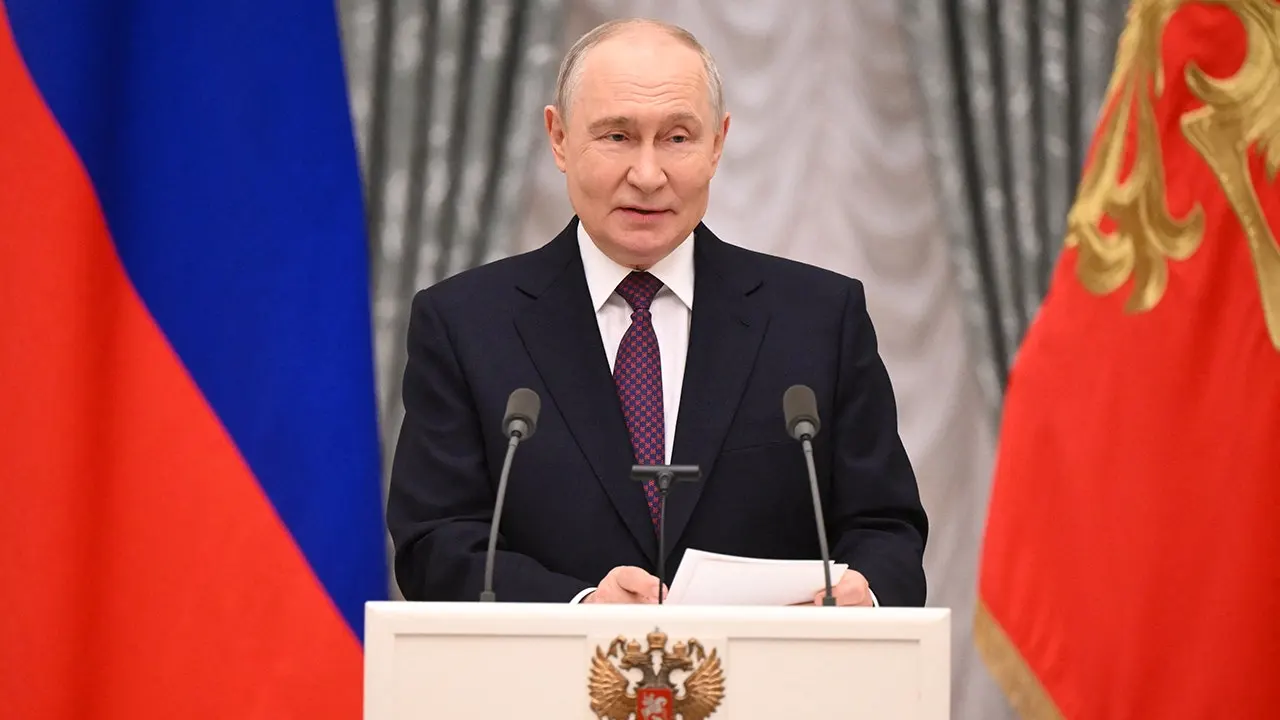

Concerns about a possible pneumonic plague outbreak after the death of an employee at a Siberian plague research institute are unwelcome news for Russian President Vladimir Putin, experts say, as he contends with a weakening economy and a war in Ukraine that has reportedly cost hundreds of thousands of Russian lives.
Putin has maintained a firm grip on power for years. Although the death of one laboratory employee would not pose an immediate threat to his rule, retired CIA officer Dan Hoffman told News Outlet that concealed biological incidents—like the 1986 Chernobyl nuclear disaster and the Soviet-Afghan War—can add to a growing record of systemic failures in Moscow.
“The longer-term strategic question is, does this have an impact on Vladimir Putin and his hold on the Kremlin until his own people realize: ‘This just isn’t right for us. We don’t like this. We don’t like the war in Ukraine. This is just another thing,'” Hoffman told News Outlet.
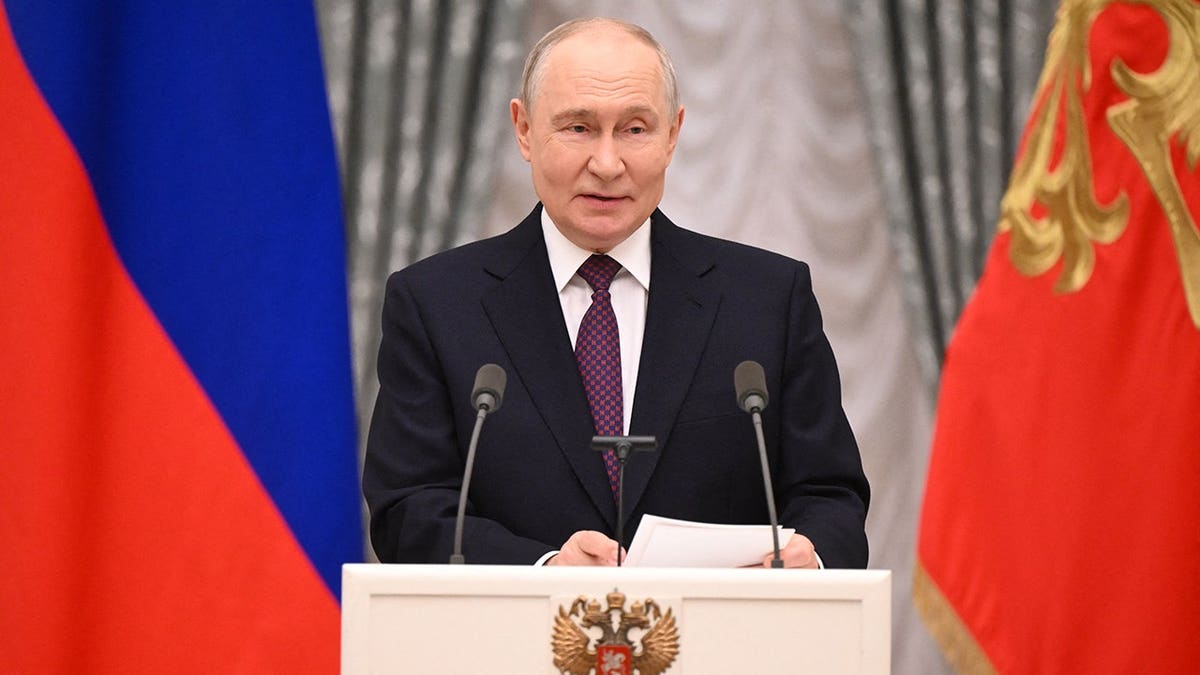
Russia’s President Vladimir Putin seen Monday at a ceremony to present state awards to mentors and teachers of participants in Russia’s war in Ukraine at the Kremlin in Moscow. Putin has tightly suppressed the flow of information to the outside world, observers have said. (POOL/AFP via Getty Images)
“The reason why the Soviet Union collapsed wasn’t because of Chernobyl, but that was a part of it,” he added. “It was it a failed economy? Well, they kind of got that going too. The failed war in Afghanistan? Well, that war in Ukraine doesn’t look too good. So all these things just pile up on Putin.”
The researcher who died was identified as 28-year-old Darya Shipilova, an employee of the Irkutsk Anti-Plague Research Institute of Siberia and the Far East.
Russian health authorities said there was no evidence that her illness was caused by pathogens connected to her work. Authorities said Shipilova died after developing pneumonia of an “unknown” origin.

Darya Shipilova, 28, an employee of the Irkutsk Anti-Plague Research Institute of Siberia and the Far East, died after developing pneumonia of an unknown cause, prompting quarantines and heightened health precautions in the region. Russian authorities say testing has found no evidence her illness was linked to pathogens she worked with. (East2West news)
On Monday, Secretary of State Marco Rubio said the United States was “watching and monitoring” the situation closely.
Anna Popova, head of Russia’s Federal Service for the Oversight of Consumer Protection and Welfare, or Rospotrebnadzor, which oversees infectious disease matters, visited the research laboratory.
ALSO READ: Noah’s Ark Resting Place Claim Reignites Debate After 4,300 Years
“No micro-organisms associated with the employee’s professional duties were detected in samples taken from the patient,” the agency said.
Hoffman said that even if Shipilova’s death proves to be an isolated incident, Russia’s history of withholding information about sensitive events could continue to fuel doubt among outside observers.
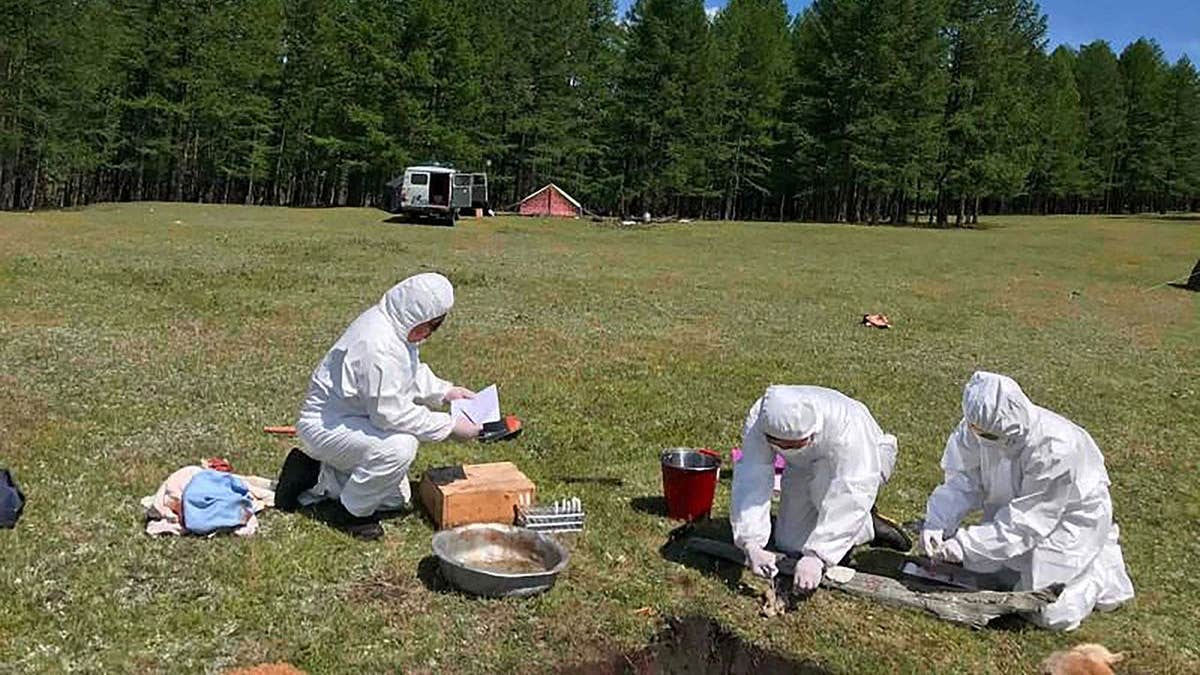
Workers in protective uniforms conduct testing in Russia amid heightened precautions following the death of an employee at a Siberian anti-plague research institute. (Khuvsguliinungu.mn/e2w)
“Putin, you know, is a dictator and he’s got pretty strict control over information, so they’re obviously not going to release any truth to the public, and that means we have to rely on intelligence to understand what’s going on behind the scenes,” he said.
The Soviet Union closely restricted reporting on its invasion of Afghanistan, which drew international condemnation. It also imposed a sweeping media blackout after the Chernobyl nuclear reactor exploded on April 26, 1986, limiting information available both inside the country and abroad.
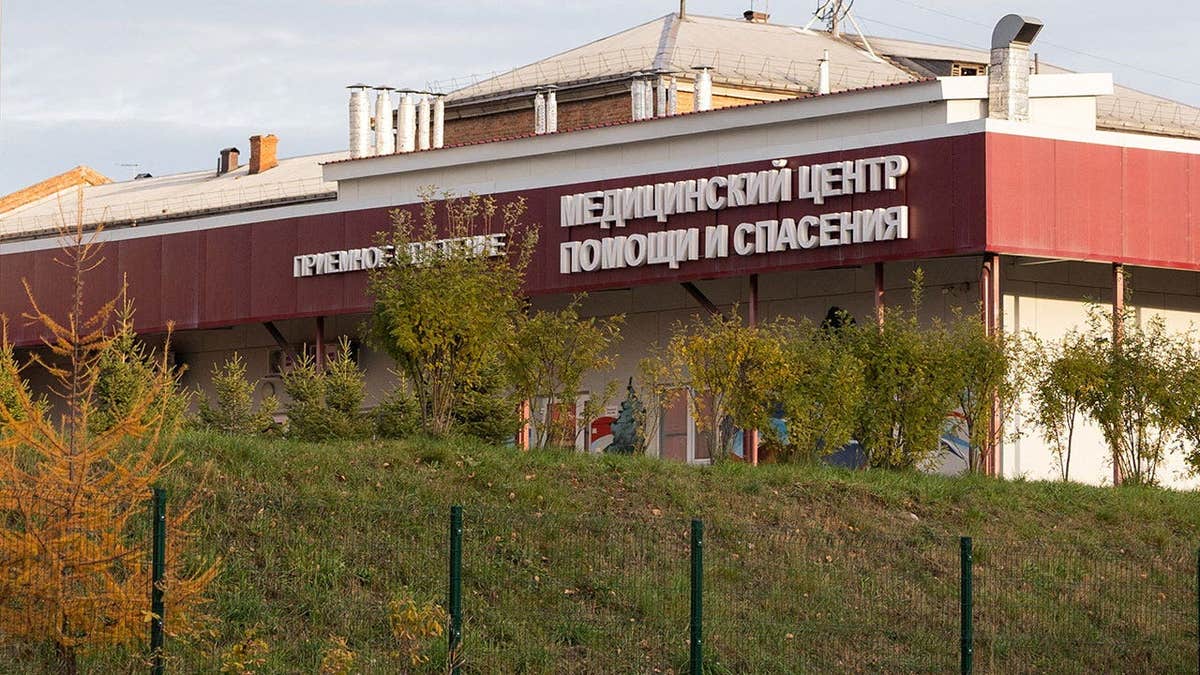
A view of the Medical Assistance and Rescue Centre, an infectious diseases hospital, in the town of Shelekhov in the Irkutsk region, Russia, October 5, 2026. (Reuters)
“Whatever Russia is saying publicly, that has nothing to do with the reality on the ground,” Hoffman said. “What that is, is an influence operation for their own people.”
Hoffman also pointed to China, one of Moscow’s closest allies, as another government that tightly manages the information reaching the outside world.
“China does the same thing. How much useful information did we get out of them with COVID?” Hoffman said. “That’s the way dictatorships work.”