Sony Pictures Releasing
RATING: 1 / 10
“The Social Reckoning” could easily rank among 2026’s worst films — and it is unquestionably the year’s most confused. Marketed as both a long-awaited follow-up to “The Social Network” and a prestige drama about Facebook’s modern-day misconduct, the movie fails on every front. It bears almost no resemblance to its acclaimed predecessor, offers only a hollow imitation of serious filmmaking, and delivers no meaningful reckoning at all. What remains is a tedious, poorly written, badly directed and painfully performed slog.
More than a decade after Aaron Sorkin and David Fincher turned Ben Mezrich’s “The Accidental Billionaires” into the Oscar-winning “The Social Network,” Sorkin has returned to Facebook for reasons that remain difficult to understand. The writer, who won an Academy Award for the original film, has produced a follow-up so empty that it practically invites the Academy to take the trophy back. “The Social Reckoning” has no compelling plot, no real stakes and no discernible point — only the persistent sense that its creator believes he is far smarter than the audience. Sorkin’s work has often carried that air of superiority, but here the contempt is so pronounced it might be uncomfortable if the film were not also so relentlessly boring.
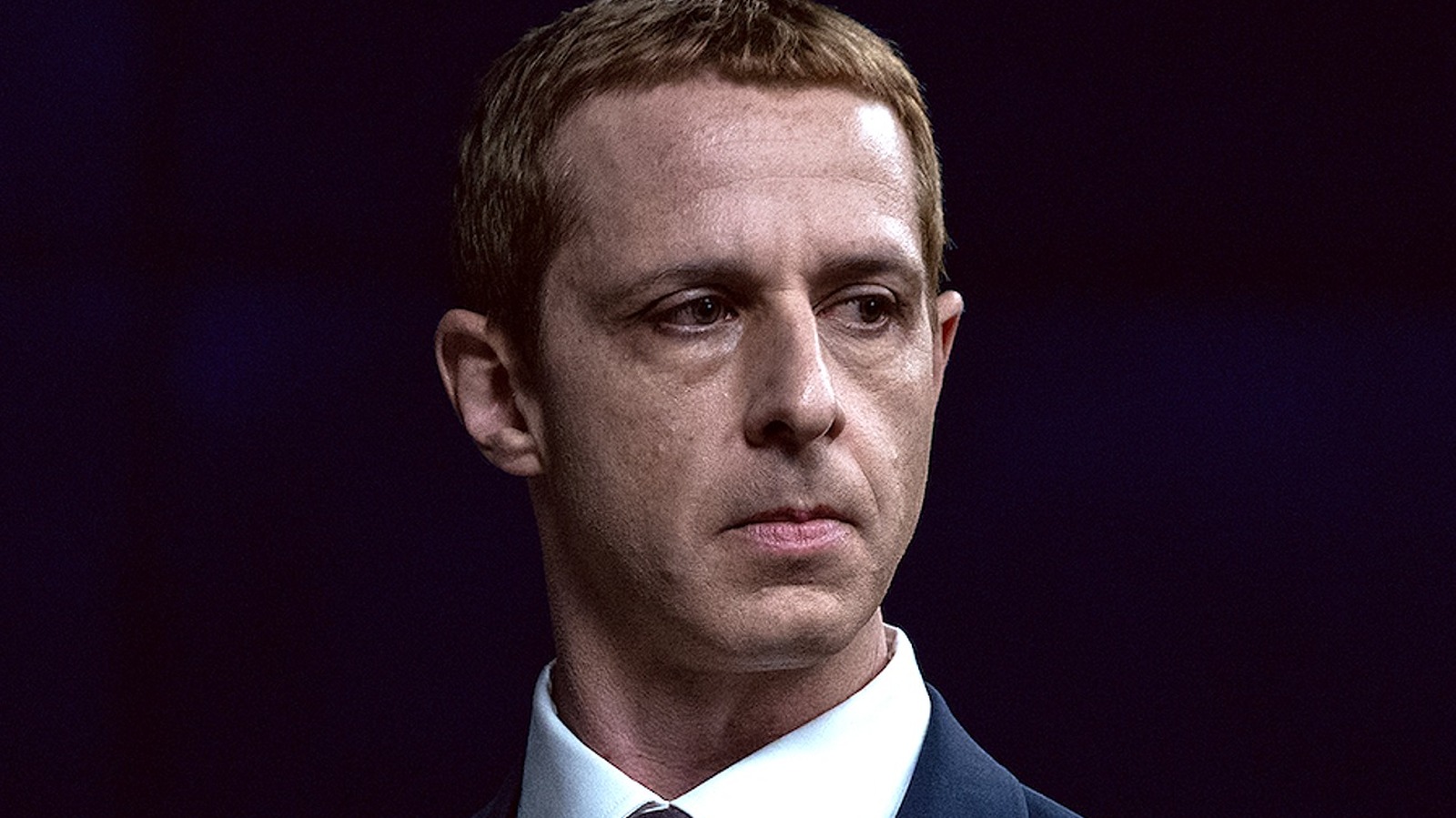
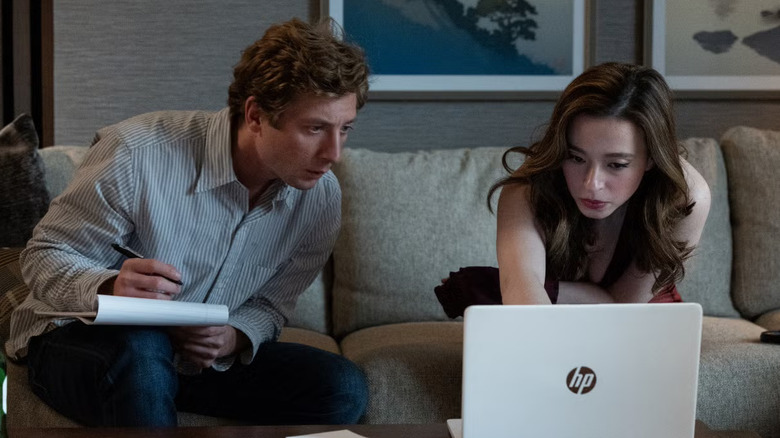
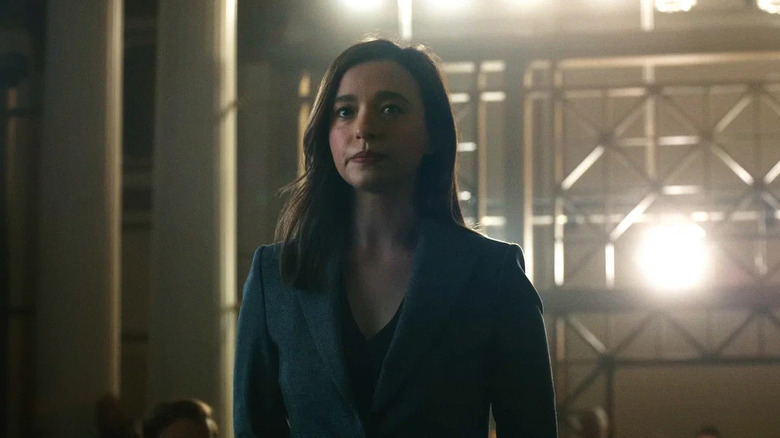
The story begins in 2019, when Facebook employee Frances Haugen, played by a badly miscast Mikey Madison, starts questioning the company’s approach to content moderation. At the same time, Wall Street Journal reporter Jeff Horwitz, portrayed by a visibly disengaged Jeremy Allen White, travels to the Bay Area to investigate possible wrongdoing at the tech giant. Mark Zuckerberg, played by Jeremy Strong in a performance that often sounds like Kermit the Frog, is preparing for what may become Senate hearings. Eventually, these storylines intersect — more or less.
The Social Reckoning is, in no way, a worthy sequel to The Social Network
Sony Pictures Releasing
Structured as a prologue followed by three chapters, “The Social Reckoning” strains to recreate the split timelines that gave “The Social Network” its momentum. Zuckerberg rehearses for congressional scrutiny while Frances and Jeff investigate Facebook’s “MSI” initiative, short for “meaningful social interactions.” Frances’ motivation stems from a former acquaintance, a left-wing woman played by Portia Doubleday in the prologue, who later posted a video of herself behaving in a racist manner toward two officers of color. From there, the movie repeatedly insists that social media makes people angrier and more irrational, arguing that Facebook’s algorithm fuels extremist groups. Anyone who has spent more than five minutes online will already know the film’s thesis — and will hear it repeated until the point is exhausted.
The comparison with “The Social Network” only makes the film’s shortcomings more obvious. Fincher and Sorkin’s original had a clear subject: a brilliant, abrasive Mark Zuckerberg creates a platform ostensibly designed to connect people while remaining incapable of sustaining meaningful relationships himself. “The Social Reckoning,” by contrast, is about little more than the broad idea that social media is harmful. Its characters shout at laptops, explain the same arguments over and over, and rarely do anything that qualifies as dramatic or engaging. If that sounds like enough of a story, this may be the movie for you.
It isn’t about anything and has no reason to exist
Sony Pictures Releasing
Anyone seeking a fuller account of Facebook’s internal culture during the early 2020s would be better served by reading “Careless People: A Cautionary Tale of Power, Greed, and Lost Idealism” by former employee Sarah Wynn-Williams. The film offers remarkably little insight by comparison. Zuckerberg’s Senate-preparation scenes are rescued only occasionally by Bill Burr, who plays his former friend Charlie and emerges as the movie’s sole character with common sense or an actual personality. Zuckerberg repeatedly declares his commitment to free speech. Frances insists that she loves her job and believes in Facebook. Jeff works on his article. None of it feels urgent, rewarding or remotely consequential.
The film is also missing the sharp editing, driving score and remarkable performances that powered “The Social Network.” Against expectations, Mikey Madison is especially poor as Frances; when Bill Burr outperforms an actual Oscar winner, something has gone badly wrong. Jeremy Strong and Jeremy Allen White are given little opportunity to display their range, though the real problem is that their characters have no interior life to explore. Instead, the audience is battered by clumsy, repetitive dialogue that lectures rather than engages. Sorkin, at least judging by this film, no longer has the spark that once made his writing so distinctive. A supposed twist involving Doubleday’s troublemaker inspires groans instead of surprise. “The Social Reckoning” is neither a good movie nor a meaningful reckoning — unless it marks a reckoning with Sorkin’s deeply underwhelming work as a director.
“The Social Reckoning” premieres in theaters on October 9.