

Static Media
The sitcom underwent a dramatic transformation in the 2000s. Traditional multi-camera comedies filmed before live studio audiences remained a major presence, with shows such as “The Big Bang Theory” carrying on the legacy of “Friends.” But they increasingly shared the schedule with bolder formats that reshaped television comedy. Single-camera series, mockumentaries and fiercely self-aware shows packed with fourth-wall breaks had become just as familiar by the decade’s end.
This ranking of the best sitcoms of the 2000s focuses largely on the series that pushed the genre in unexpected directions. More than two decades later, many of those innovations have become so familiar through constant streaming and rewatches that it’s easy to overlook how radical they once seemed. To narrow the field, we included only live-action shows that premiered from 2000 onward, continued beyond the decade and aired most of their episodes between 2000 and 2010. That rule excludes a worthy contender such as “It’s Always Sunny in Philadelphia.”
There is one exception for a cancelled series that was later revived. We also concentrated on shows that debuted on U.S. networks, meaning the writer’s beloved cult British comedy “Peep Show” could not qualify. However, one notable exception earned its place through U.S. awards recognition and its lasting impact on popular culture. With those guidelines established, we ranked the remaining shows according to how funny we found them.
5. The Office
BBC & NBC
Whether we’re talking about Stephen Merchant and Ricky Gervais’ groundbreaking, deadpan BBC original or the cringe-comedy chaos surrounding Michael Scott and his Dunder Mifflin colleagues, both versions of “The Office” belong on this list. Each helped redefine what a sitcom could be. The British series brought the mockumentary format into the workplace comedy, using the drab reality of office life to intensify the humiliation of watching David Brent do almost anything to win his employees’ approval. When the American adaptation arrived several years later, it initially struggled to escape the shadow of its Golden Globe-winning predecessor. After a shaky first season and the possibility of cancellation, however, it found a more distinctive voice that was no less painful — or hilarious — to watch.
We are treating “The Office” as a single mega-franchise rather than choosing between the two versions. The original was among television’s most influential sitcoms, while the NBC adaptation became one of the most widely loved. The U.S. series would not have existed without the British foundation, yet its extended run arguably allowed it to surpass its inspiration, producing acclaimed episodes such as “Dinner Party” several seasons into its life. The American show eventually lost momentum, and the British original has become harder to revisit as Gervais’ more recent appetite for provocation has grown increasingly exhausting. Even so, no list of the best 2000s sitcoms would be complete without them. By the end of the decade, the comedy landscape had been unmistakably shaped by both.
4. Curb Your Enthusiasm
HBO
We have generally avoided series that continued for many years beyond the 2000s, but most of the defining episodes of Larry David’s post-“Seinfeld” comedy arrived during that decade. And, to borrow the show’s own phrasing, it remained pretty, pretty, pretty good long afterwards.
“Curb Your Enthusiasm” offered a sharper, more merciless version of the observational humour associated with “Seinfeld,” a series that was hardly gentle with its characters in the first place. Although the show developed season-long storylines, shifting relationships and a steady stream of celebrities playing exaggerated versions of themselves, its central engine was always the same: a social mistake Larry had made that week. Sometimes the incident began with a misunderstanding; just as often, Larry created the problem himself. Either way, he handled it in the worst possible manner, taking “Seinfeld’s” famous “no hugging, no learning” philosophy to increasingly uncomfortable extremes.
That basic formula remained intact throughout the nearly quarter-century that “Curb” was on the air. The situations evolved alongside the changing culture, but Larry himself was never granted meaningful personal growth. If he had ever genuinely accepted that he might be wrong, regardless of how heated the dispute became, the entire premise would have collapsed.
That stubbornness was central to the show’s longevity. Despite spending much of its run in a Hollywood setting, “Curb Your Enthusiasm” made it uncomfortably easy to recognise ourselves in an irritable man with no filter. There was a mischievous pleasure in watching Larry break social rules in ways most people only imagine. The consequences he faced each week were often funny enough to enjoy — and cautionary enough to make us think twice before speaking.
3. The Comeback
HBO
Lisa Kudrow’s first major sitcom after “Friends” was largely overlooked by critics and audiences when it premiered in 2005. Co-created by former “Sex and the City” showrunner Michael Patrick King, the mockumentary examined the widening gap between reality television and scripted entertainment. At a time when “American Idol” and other unscripted hits dominated the culture — and often the ratings — traditional network shows were struggling to compete. “The Comeback” channelled those anxieties through its painfully ambitious central character, Valerie Cherish.
Once a moderately successful television actress in the early 1990s, Valerie is reduced to a supporting role on the teen sitcom “Room and Bored.” The part is imposed on the show’s creative team because the network wants a reality programme documenting a celebrity comeback to run alongside it. The entire series is presented as the unedited footage from that production, placing viewers in the room for each of Valerie’s increasingly agonising encounters.
The uneasy relationship between the two productions gives the cringe comedy an especially sharp satirical edge. Crew members vary in their hostility towards the fame-hungry and frequently oblivious Valerie, while the reality show’s producers manipulate her life in pursuit of better television. In an era defined by the rise of Bravo-style reality programming, that parody has aged remarkably well. In 2005, however, “The Comeback” was far ahead of its time.
The revival seasons found Valerie navigating prestige television and AI-written streaming sitcoms, finally earning the series the critical acclaim it deserved from the start. As the culture caught up with its ideas, “The Comeback” came to look like the defining sitcom of the mockumentary era. Kudrow, meanwhile, delivered what remains the finest performance of her career.
2. Arrested Development
Fox
We will set aside the ill-fated Netflix revival — including its fifth and final season, which few people seemed to watch — because it does little to diminish the brilliance of the original three-season run of “Arrested Development.”
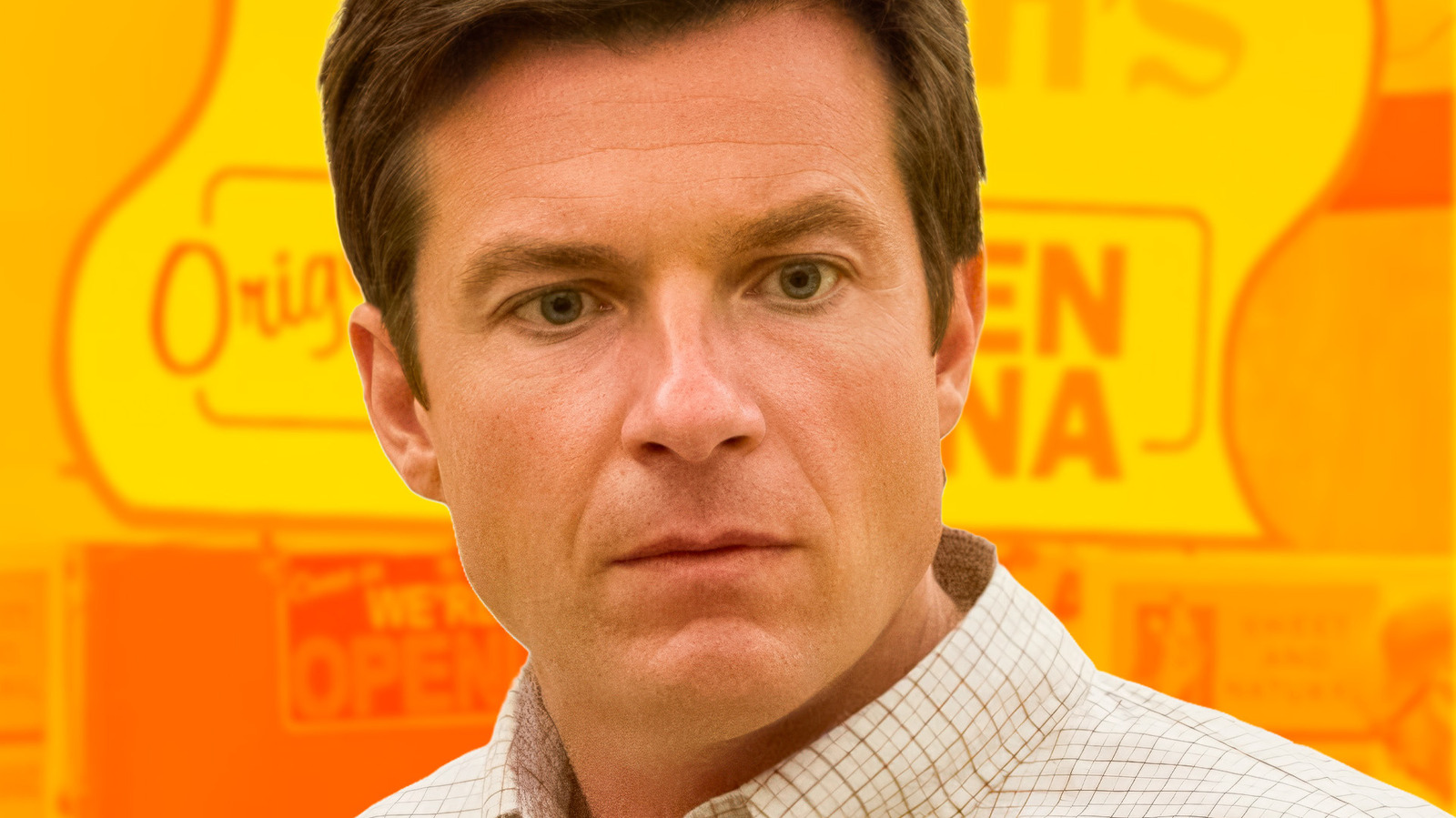
Producer and narrator Ron Howard brought the rough, handheld visual style associated with reality television to a tightly scripted sitcom. Creator Mitchell Hurwitz paired that approach with a story about a wealthy, dysfunctional family forced to scale back its lifestyle after a major real-estate corruption scandal. The premise began with a recognisable family drama, but the series quickly moved far beyond realism, plunging into increasingly surreal and self-referential jokes as Michael Bluth, played by Jason Bateman, tried to keep his relatives under control.
Already unusual for a live-action network sitcom of this period due to its shot-on-location form, “Arrested Development” further toyed with the format with its wealth of cutaway gags and repeated breaking of the fourth wall. It was a live-action cartoon shot like a gritty documentary, and its disregard for sitcom conventions has made it one of the century’s most influential TV shows.
More importantly for this list, however, is just how consistently funny it remains on rewatch, with its sheer density of jokes meaning we’re still discovering hilarious new throwaway lines decades later. It hasn’t all aged perfectly (Charlize Theron’s second season romantic interest is, shall we say, a little problematically written), but most of “Arrested Development” is as fresh as the day it premiered.
1. 30 Rock
NBC
Premiering in the same season when Aaron Sorkin’s “West Wing” follow-up “Studio 60 on the Sunset Strip” was expected to become a sensation, Tina Fey’s heightened look at life behind the scenes of a live comedy show very quickly overshadowed the competitor it was expected to get trounced by. Sorkin’s self-important series was too reverent towards comedy writers and their ability to speak truth to power, without any of his scripts for the show containing a single successful punchline.
Fey and co-creator Robert Carlock, on the other hand, were far less enamored with the lame “Saturday Night Live” equivalent in their show’s universe, quickly making it a distant second to the ego-driven feud of its stars Jenna and Tracy (played by the brilliant Jane Krakowski and Tracy Morgan) and cutting-edge satire about showbiz and the stupidity of Hollywood execs.
Some plotlines, like Jenna’s ill-fated Janis Joplin biopic that couldn’t get music or life rights, were directly translated from real entertainment industry headlines at the time. All-timer performances from Fey as beleaguered head writer Liz Lemon and Alec Baldwin as network executive Jack Donaghy anchored the show at its silliest.
However, as was the case when we saw vintage “Simpsons” episodes at a young age, the gag rate remained so consistently high that it never mattered if we got each and every niche pop culture reference thrown at the screen. In terms of sheer joke quantity, “30 Rock” might be the funniest network sitcom to have ever aired.


