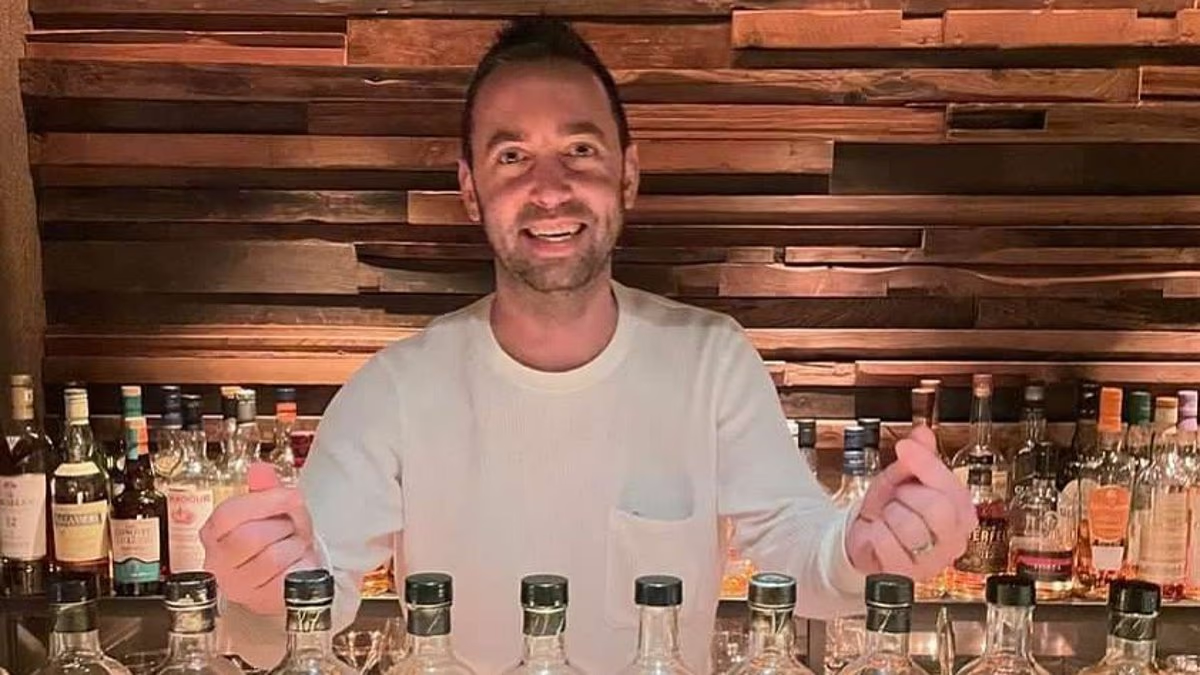

A bitter fallout between a celebrated sushi chef and a leading Sydney restaurateur has unfolded at the Fair Work Commission (FWC), with testimony detailing alleged workplace drinking and weeks of up to 70 hours.
Japanese chef Michiaki Miyazaki brought his former employer, Besuto, before the FWC after being dismissed by venue owner Joel Best, a friend of two decades.
Besuto is a traditional Japanese restaurant hidden inside Sydney’s CBD Salesforce Tower. Its bespoke set menus begin at $280 per person, while the venue also offers a substantial whisky selection.
The Commission heard extensive evidence about Mr Miyazaki’s employment package. He reportedly worked more than 70 hours a week for $40,000 in wages, with the arrangement also covering $700-a-week accommodation, a gym membership and two return flights to Japan each year.
Mr Miyazaki said that around June 2025, Mr Best authorised him to drink as much as 720 millilitres of alcohol at work each week. Not long afterwards, Mr Best became concerned about an apparent deterioration in his friend’s energy, wellbeing and performance. However, the Commission did not find in its recently published decision that alcohol was responsible for those health concerns.
After Mr Best arranged for him to meet a sports massage therapist, Mr Miyazaki stopped drinking for four months.
By November 2025, however, Mr Best said he believed Mr Miyazaki’s performance was again slipping and that he had returned to drinking. In evidence to the FWC, Mr Best said he considered the chef’s reliability, judgement, productivity and leadership to have weakened.
Mr Best told the Commission that one of his main concerns was Mr Miyazaki’s alleged inability to run the kitchen effectively. In particular, he said the Head Chef had failed to recruit, train and retain enough staff to meet the restaurant’s needs.
Mr Best said the situation forced management to take over responsibilities normally handled by the Head Chef. He also expressed concern about the long hours Mr Miyazaki was spending at the venue, saying even routine duties were taking increasingly longer to complete.

Japanese fine-dining chef Michiaki Miyazaki brought his former employer, Besuto, before the Fair Work Commission

Michiaki Miyazaki and venue owner Joel Best had been friends for 20 years

WhatsApp messages exchanged after the dismissal were submitted to the Fair Work Commission

The Fair Work Commission heard Mr Miyazaki had been working 70-hour weeks
The FWC heard that Mr Best raised concerns about drinking at work and the standards expected of the Head Chef during at least two conversations.
The published decision said Mr Best told Mr Miyazaki that immediate improvement was necessary. However, he acknowledged the conversations had not been recorded, were partly informal and “may have occurred in the sauna”.
Other Besuto employees, including chef Ferix Louberto and sommelier Haruna Suzuki, told the Commission that Mr Miyazaki “regularly” drank alcohol in the kitchen and was sometimes offered sake by customers. Both said they had seen him open the wine fridge and pour himself a drink.
In February 2026, while Mr Best was in Japan, his friend Annabella Sao helped with food preparation and washing dishes. During the shift, she said she saw Mr Miyazaki drinking sake and notified Mr Best, the FWC heard.
Mr Best recalled telling Mr Miyazaki after returning to Sydney words to the effect of: “I don’t want to have to make decisions that affect all of us. I don’t need to do that. Stop drinking, get your job done.”
At an all-staff meeting on March 5, Mr Best said employees had already received multiple warnings about drinking while working. He warned that anyone who continued would be dismissed.
A casual employee was dismissed shortly afterwards for drinking during a shift. Mr Miyazaki told the FWC he did not think the disciplinary meeting was aimed specifically at him, and said nobody had told him he was receiving a formal warning or that his job was at risk.
Two days later, Mr Best approached Mr Miyazaki and asked whether he had the passion to continue in his role as Head Chef. Mr Miyazaki was ‘unable to answer the question’, the FWC heard.
CHECK THIS OUT: Runner Switches to Girls’ Track; School Blames Parent Who Spoke Up
Later, following the dinner service at around 11pm, Mr Best told Mr Miyazaki that he was terminating his employment. At that time, Mr Best observed that Mr Miyazaki appeared intoxicated – although the FWC would ultimately find there was insufficient evidence to establish that Mr Miyazaki had been intoxicated at work.
According to Mr Miyazaki’s account of the conversation, there had been no mention of his drinking on the job, and he hadn’t received any warnings or feedback indicating performance concerns. He also denied being intoxicated during this conversation.

During an all-staff meeting on March 5, Mr Best informed employees that multiple warnings had already been handed out for drinking on the job, and anybody who continued to do so would be sacked.

Mr Best messaged supplier group chats – still including Mr Miyazaki – stating that he had been ‘fired for drinking on the job and not being able to perform’
Just before 3am the next morning, Mr Best texted the staff group chat thanking them for ‘an amazing ride’, before removing Mr Miyazaki, Ms Suzuki and a third employee from the chat.
Mr Best then messaged the main staff chat again, stating, ‘Michi will no longer be working for Besuto. Please close chat.’
In a separate text to Mr Miyazaki, Mr Best wished him well and said he was ‘very sad’.
The following day Mr Best hand-delivered a termination letter to Mr Miyazaki’s residence, the FWC heard.
A few days later, Mr Best texted Mr Miyazaki again, stating: ‘Besuto Omakase is not closing. It is your choice to tell people that. It is my choice to tell people that you went back to Japan for family matters.’

The traditional Japanese restaurant offers bespoke set menus starting at $280 per person and an extensive whisky menu

The traditional Japanese restaurant is tucked away in Salesforce Tower, in Sydney’s CBD
The next day, Mr Best texted Mr Miyazaki saying lawyers and police could become involved in the dispute.
He wrote, according to the FWC decision: ‘You will hear from a lawyer to recover the $15k you owe me. Hope you can afford the lawyer fees. Or should I say you stole from the business and get the police involved? Let’s see how this plays out in the media and with lawyers?’
Mr Best then followed up with a copy of his solicitor’s letter demanding repayment of $28,000, which included a $25,000 loan and $3,000 for the alcohol he allegedly drank at work. He also told Mr Miyazaki by text that he had ‘a bar tab that sits at about 3k from your drinking on the job’.
Mr Best also sent messages to supplier group chats, which still included Mr Miyazaki, stating that Mr Miyazaki had been ‘fired for drinking on the job and not being able to perform’, the published decision states.
The FWC heard arguments from the restaurant that the dismissal followed the Small Business Fair Dismissal Code. This was disputed by Mr Miyazaki, who argued he was not given any warnings or opportunities to respond to specific allegations of serious misconduct.
Based on the evidence presented to the FWC, Deputy President Judith Wright said she did not accept that Mr Best believed Mr Miyazaki’s conduct was serious enough to justify immediate dismissal.
Deputy President Wright ultimately found there was insufficient evidence that Mr Miyazaki was intoxicated at work, insufficient evidence that performance issues justified dismissal and insufficient evidence that he had consumed the business’s alcohol without authorisation.
Instead, she found the real reason for his dismissal was Mr Miyazaki’s inability to answer Mr Best’s question about whether he still had the passion to continue as Head Chef.
The Commission found there was no valid reason for dismissal and that the dismissal was harsh, unjust and unreasonable. Besuto was ordered to pay Mr Miyazaki $11,753.84 plus superannuation.