

Ben Rothstein/Prime
Season 3 of The Lord of the Rings: The Rings of Power is set to explore the first chapter in the story of the Nazgûl — or “Nazgnagôl,” as showrunners J.D. Payne and Patrick McKay call their Second Age version of the Ringwraiths. Season 2 ended with the Nine Rings for Mortal Men completed and in Sauron’s possession, although none had yet been claimed by its future bearer. (For a complete refresher, read our full The Rings of Power Season 2 recap before Season 3.)
When the new season arrives, at least some of those immensely powerful rings are expected to find their way onto the hands of nine new owners. However, these early Nazgnagôl will not yet resemble the shadowy Black Riders from The Lord of the Rings. Payne and McKay’s Second Age servants are still developing into the supernatural terrors they will eventually become. They will be influential and formidable, but they are not yet roaming Middle-earth in search of the One Ring — which has not been forged. Instead, their role will be to help Sauron expand his conquest.
Their more human appearance does not make them any less dangerous. These future Ringwraiths begin as some of the most driven, powerful, ruthless, and ambitious mortals of their age — people already destined to lose everything that makes them human. To understand how they serve Sauron at this point in Middle-earth’s history, it helps to examine both the Rings of Power and the men who ultimately wield them.
Who are the Nazgûl in the Second Age?
Ben Rothstein/Prime
The frustrating part is that J.R.R. Tolkien identifies only one of the Nine by name, and that information appears in the posthumously published Unfinished Tales. He is Khamûl, known as the “Shadow of the East” and the “Black Easterling,” and described as second only to the leader of the Nazgûl. That chief is the figure known as the Witch-king, later called the Witch-king of Angmar. Beyond those details, Tolkien offers very little about their individual identities. By the time of The Lord of the Rings, they have become ancient, withered extensions of Sauron’s will rather than fully realized personalities.
Their origins in the Second Age are very different. When the Nine Rings first come into their possession, their bearers are living men with distinct ambitions, opinions, and influence. The Silmarillion reveals that at least three were “great lords” of Númenórean descent. Tolkien also describes the men who accepted the Nine as former or emerging kings, sorcerers, and warriors who gained fame and immense riches. The text does not make clear whether every one of them already held such status before receiving a ring, but it does establish that the Nine became extraordinarily powerful figures in politics, warfare, and magic.
The Nazgûl pay a heavy price for their early ambitions
Ben Rothstein/Prime
Their success ultimately becomes their curse. Tolkien writes that the rings appeared to grant endless life, only for existence itself to become unbearable. Their ability to vanish from ordinary sight and perceive the “Unseen world” — a concept already introduced in Season 2 of The Rings of Power — is not a blessing. Instead, it signals their gradual transformation into something spectral and enslaved.
Tolkien’s conclusion is especially grim: each man eventually falls under the power of the ring he carries and, ultimately, under the control of the One Ring created by Sauron. The speed of that downfall depends on the strength of the individual and whether his original will leaned toward good or evil.
The One Ring has not yet entered the story, but it is on the way. Once it appears, the Nine will understand the danger of their bargain — though by then, escape will be impossible. Because The Rings of Power compresses Tolkien’s roughly 3,500-year Second Age into a much shorter period, their moral collapse may happen far more quickly than it does in the broader mythology.
What are the Nazgûl actually up to during the Second Age?
Ben Rothstein/Prime
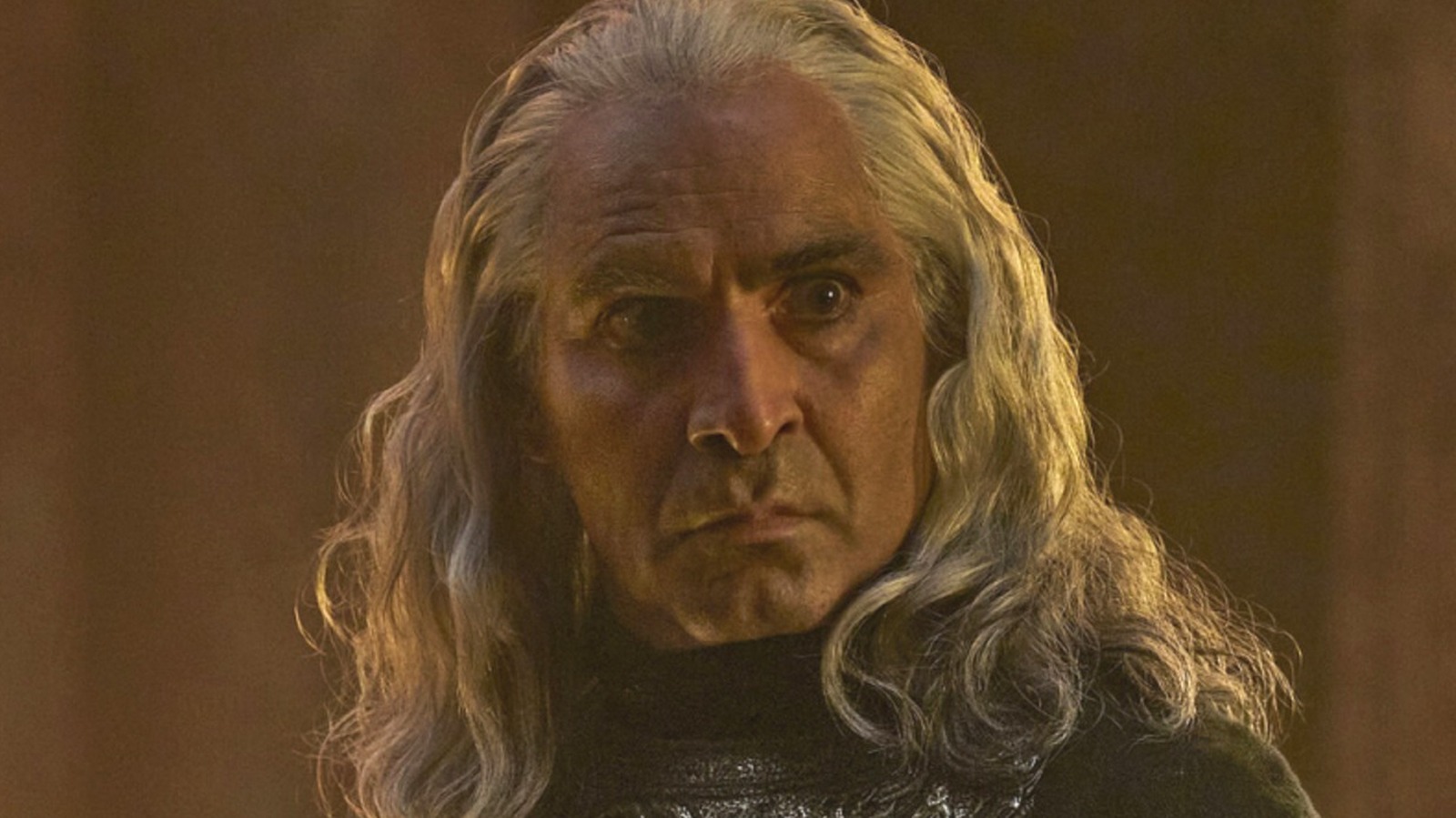
At this stage, the known pieces are limited: Khamûl is the only named Nazgûl, the Witch-king commands the Nine, and at least three of the future Ringwraiths are Númenórean lords. Together, they will build extraordinary wealth and power while surrendering their souls. Promotional material has already confirmed Khamûl’s appearance in Season 3, with Zubin Varla in the role, and his storyline will likely unfold in the eastern land of Rhûn.
Tolkien provides no detailed account of Khamûl’s early life during the period covered by The Rings of Power. In fact, most of what readers know about him comes from material set long after the show’s Second Age storyline. The books offer scattered clues about the Nine, but they do not explain exactly what these men did during Sauron’s first major campaign to dominate Middle-earth.
What is clear is that this is the era in which the Nine rise, claim their rings, and become Sauron’s most feared agents. Their influence grows alongside Sauron’s own empire. He conquers broad stretches of Middle-earth, particularly territories at its eastern and southern edges, including Harad, Khand, and Rhûn.
The Silmarillion describes Sauron’s rule in those regions in almost religious terms, saying he was treated as both king and god and feared because his stronghold was surrounded by fire. The Nazgûl would have been central to that campaign of control and intimidation. Tolkien leaves the specifics unwritten, giving Payne and McKay room to create their own version of the Nine’s rise and Sauron’s eastern dominion in Season 3.
Season 3 of “The Rings of Power” premieres on November 11.