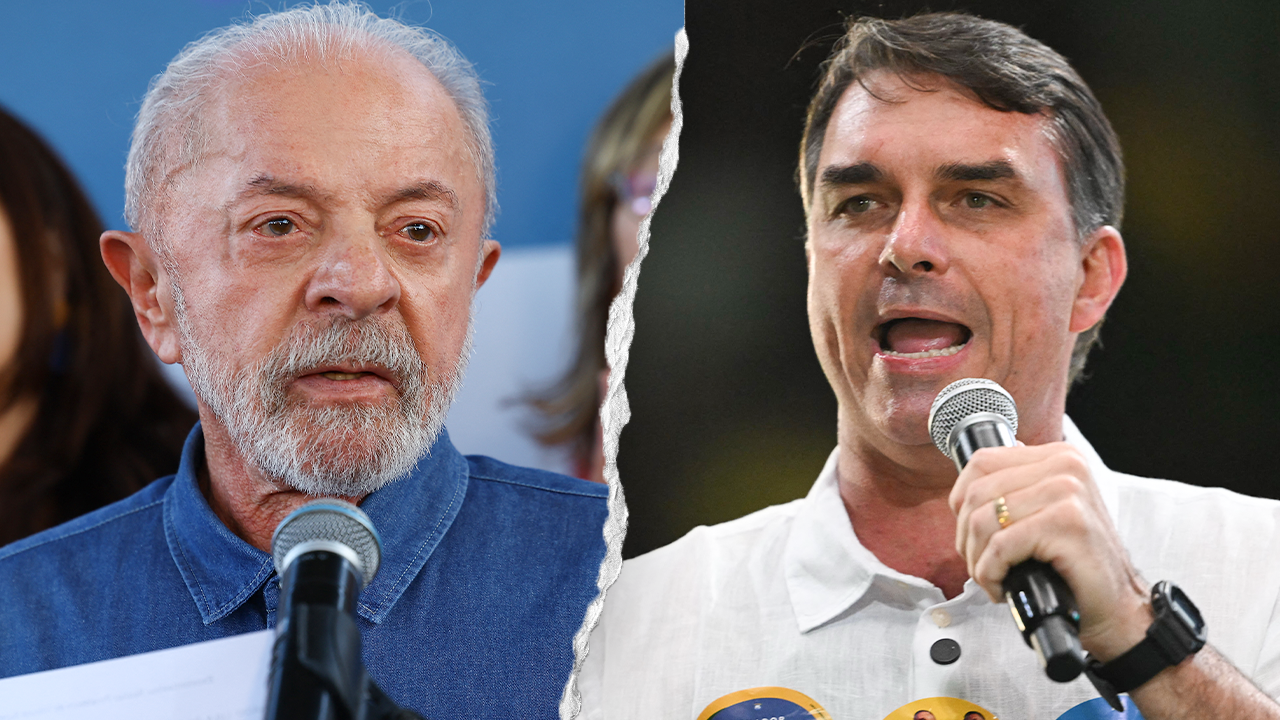

Incumbent leftist President Luiz Inácio Lula da Silva defeated Sen. Flávio Bolsonaro by a razor-thin margin Sunday, ending a fiercely divisive presidential runoff in Brazil, according to the Associated Press.
Bolsonaro entered the runoff after leading the Oct. 4 first round with 47% of the vote, compared with Lula’s 45%. Because neither candidate reached the 50% threshold, Brazil’s deeply polarized electorate was forced to vote again.
The result gives Lula an unprecedented fourth presidential term and caps a striking political comeback. His victory came despite Bolsonaro’s narrow polling advantage in the final weeks and the recent election of a conservative Congress broadly aligned with the Bolsonaro agenda.
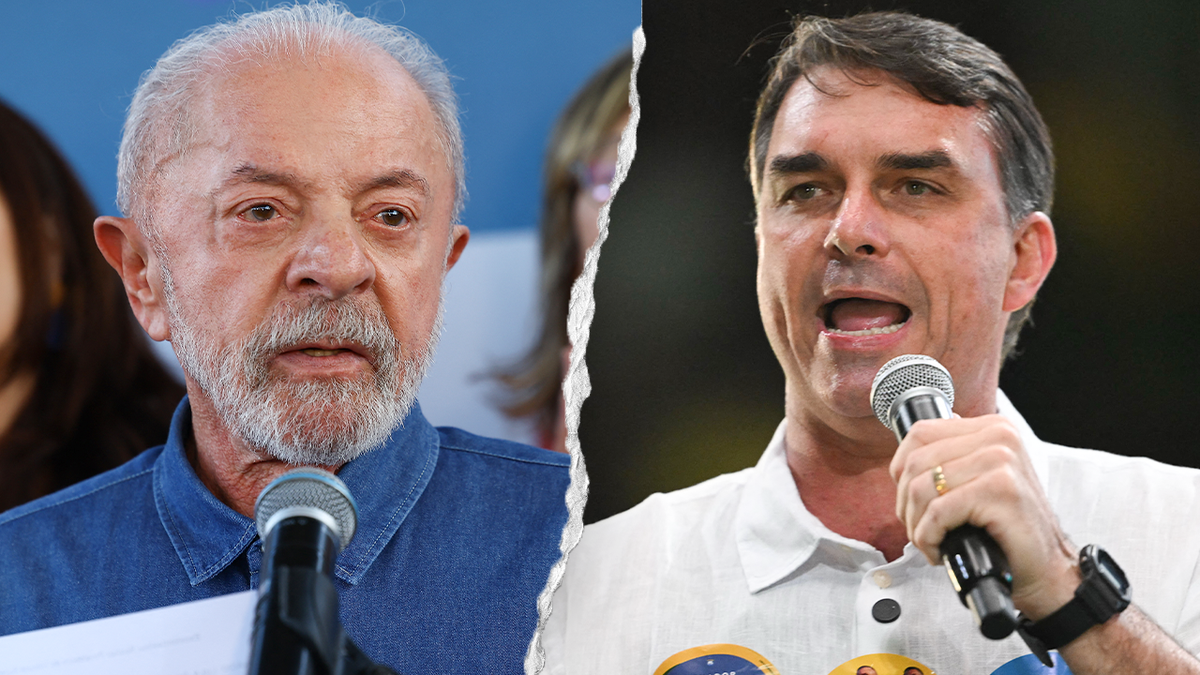
Brazilian President Luiz Inácio Lula da Silva, left, and Sen. Flávio Bolsonaro, right, faced each other in Brazil’s closely contested presidential runoff. (Getty Images )
Lula cast his ballot in São Bernardo do Campo, in São Paulo state, while Bolsonaro voted in northern Rio de Janeiro, the state he represents in the Senate.
Early results from Brazilians voting abroad revealed a split picture: Lula won decisively in Germany, while Bolsonaro posted an overwhelming victory in Japan.
Bolsonaro maintained his advantage across several southern strongholds, including Rio de Janeiro, São Paulo, Paraná and Rio Grande do Sul. But his margins in each of those states were narrower than they had been in the opening round.
That support in the south was insufficient to break through Lula’s long-standing Northeastern base, where the Workers Party’s political network remains especially powerful across the populous Nordeste region.
Bolsonaro also underperformed in Minas Gerais, a state often viewed as Brazil’s ultimate political bellwether because it sits between the country’s northern and southern divides. Its vote has historically offered an important clue to the national outcome.
Although Bolsonaro carried Minas Gerais by 5 percentage points in the first round, the second vote ended with the candidates virtually even.
Bolsonaro had secured support from several candidates who were eliminated in the first round, including best-selling author Augusto Cury, former Minas Gerais Gov. Romeu Zema and former Goiás Gov. Ronaldo Caiado.
Those endorsements, however, could not match the Workers Party’s formidable electoral organization. Lula has now appeared on the presidential ballot seven times and has won four of those contests.
MORE STORY: Kendall Jenner Reacts to Sister Kylie’s Victoria’s Secret Debut
Before the first round, Flávio Bolsonaro made a forceful appeal to working- and middle-class voters, arguing that Lula’s economic policies were making everyday life more expensive.
He characterized Lula’s government as oversized and heavily taxed, accusing it of accumulating debt and linking those policies to inflation and mounting pressure on household budgets.
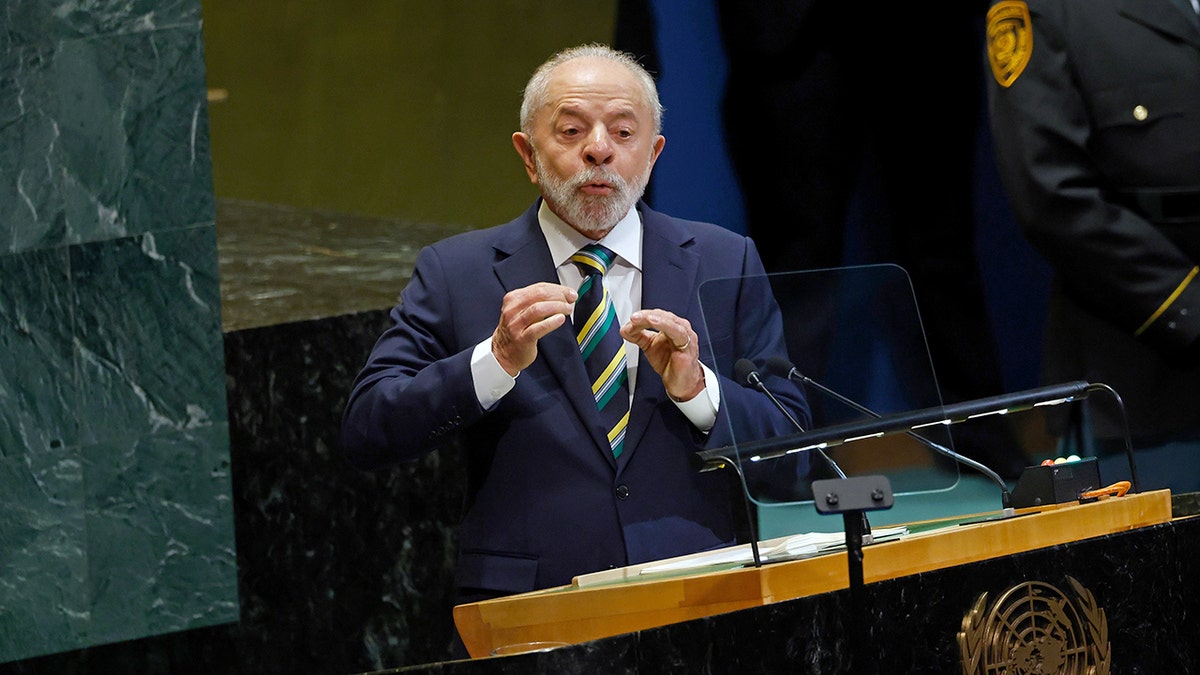
Brazilian President Luiz Inácio Lula da Silva speaks during the 80th session of the United Nations General Assembly at United Nations headquarters on September 23, 2025, in New York City. World leaders gathered for the 80th UNGA session under the theme “Better together: 80 years and more for peace, development and human rights.” (Photo by Taylor Hill/Getty Images)
His tough law-and-order platform also resonated with voters in a country where surveys frequently identify violence as the nation’s most urgent concern.
Still, concerns over the economy and public safety could not overcome generations of support for the Workers Party and its social programs. That loyalty was especially evident in northern and northeastern Brazil, where Lula secured commanding margins.
Lula will begin his historic fourth term with the momentum of victory, but he will have to govern alongside a Congress dominated by center-right and right-wing lawmakers—one of the most conservative legislatures in Brazil’s history.
Although Flávio Bolsonaro lost the 2026 election by a narrow margin, the broader Bolsonaro movement remains a major force in Brazilian politics and is unlikely to disappear.
Lula’s win also interrupts a lengthy run of victories by right-wing candidates backed by Donald Trump across the region. Trump never formally endorsed Flávio Bolsonaro, but he openly signaled his preference and maintained close ties with the Bolsonaro family.
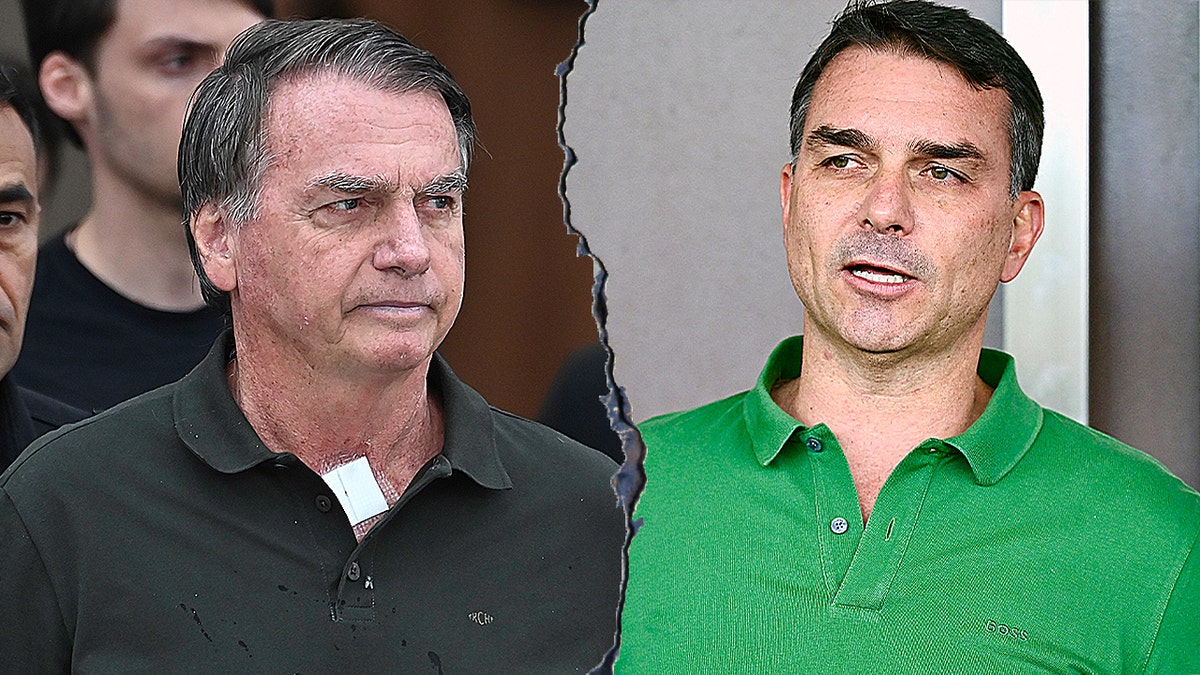
Former Brazilian President Jair Bolsonaro’s son announces biopic while brother Senator Flávio Bolsonaro enters 2026 presidential race from prison endorsement. (Ton Molina/Getty Images/ Evaristo Sa / AFP via Getty Images)
Looking forward to 2030, all eyes will turn to Bolsonaro clan ally Tarcisio de Freitas, who stepped aside this election cycle, in order to clear the way for Flavio Bolsonaro’s run. Will the Brazilian right back another Bolsonaro in four years time, or will the popular São Paulo governor also mount a bid?
In addition to the presidential election, voters in five states, as well as the federal district of Brasília, were also selecting governors in runoff elections. Bolsonaro-aligned candidates appeared poised to win most of those races.