
A stealth tax raid is expected to raise an extra £71billion for the Treasury by 2030-31, according to economists.
By then, almost seven million more people will be paying income tax than would have been the case if thresholds had increased with inflation since the freeze began five years ago.
A further six million people are also expected to be pushed into the higher and additional-rate tax bands as a result of the policy, analysis shared with Our News Outlet found.
Income tax thresholds have been frozen since 2021-22, and former Chancellor Rachel Reeves announced last year that the freeze would remain in place until 2030-31.
As wages rise, the policy means more people pay income tax and existing taxpayers hand over more of their earnings to the Treasury.
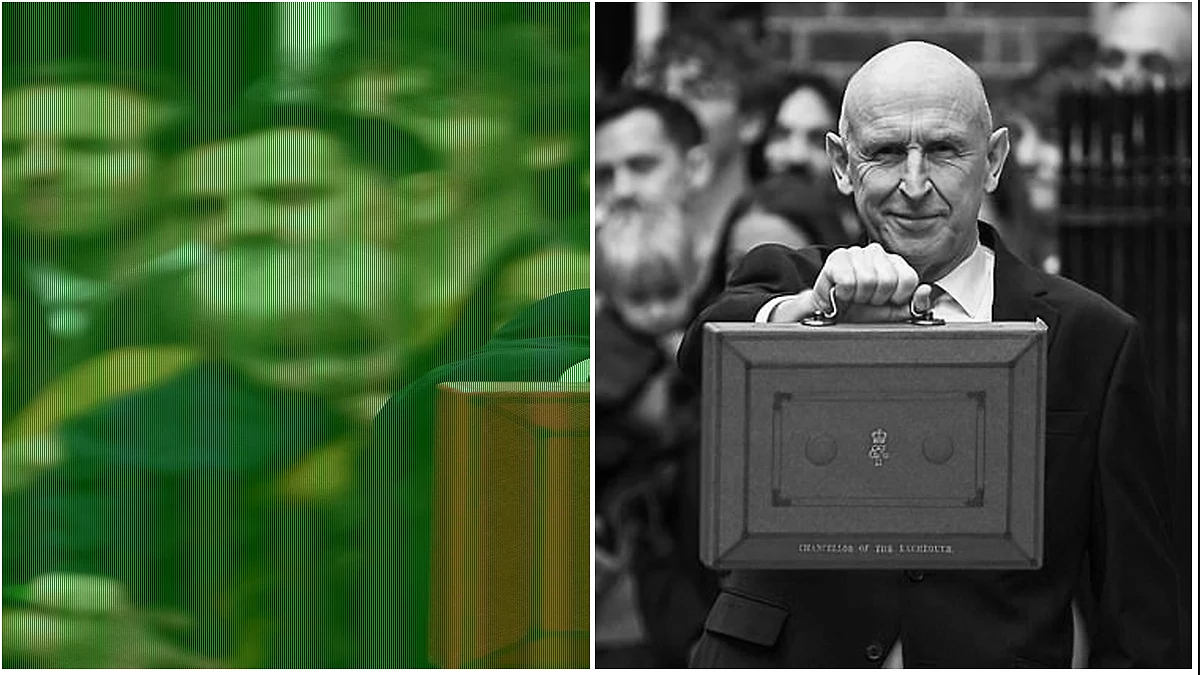
Although Prime Minister Andy Burnham had previously suggested the policy could be reviewed, Chancellor John Healey left the freeze unchanged in his Budget on Wednesday.
An analysis of Office for Budget Responsibility (OBR) figures by the Institute for Fiscal Studies (IFS) estimates that the measure will generate an additional £71billion in tax revenue.
The IFS said yesterday: ‘Compared with a scenario in which thresholds rose with inflation from 2021-22, the OBR forecasts that by 2030-31 an additional 6.75million people will be paying income tax because of the freezes. A further 6.03million will be paying the higher or additional rates, generating an extra £71billion in tax revenue.’

Chancellor John Healey left the freeze unchanged in his latest Budget, despite earlier suggestions that the policy might be reconsidered
Labour was accused on Friday of ‘raising taxes by stealth’. Tory Treasury spokesman Gareth Davies said: ‘Labour is making as many people as possible pay as much tax as possible, while families face higher costs at the checkout and soaring energy bills.
‘The Government would rather squeeze working people than reduce the ballooning welfare bill that funds the lifestyles of those who choose not to work.
‘Labour’s talk of ‘breathing space’ is nothing more than smoke and mirrors. In reality, it is raising taxes by stealth and driving the tax burden to a record high.’
Mr Davies added: ‘The Conservatives are the only party prepared to cut the welfare bill and reduce taxes, rewarding hard work and aspiration while allowing people to keep more of what they earn.’
ALSO READ: Fani Willis Illness And Health Update 2024: Did She Undergo Weight Loss Surgery? Details
Treasury sources said the Government was raising revenue in a ‘targeted way’ rather than increasing the main taxes paid on people’s earnings.
The freezing of tax thresholds creates what is known as ‘fiscal drag’, as pay rises push people into higher tax bands even when their purchasing power has not increased.
Before 2021, income tax thresholds were generally increased each year in line with inflation. In that year’s Budget, then-chancellor Rishi Sunak announced that the thresholds would be frozen from April 2022 until 2026.
Successive governments have since extended the freeze. Although Mr Healey did not refer to it in his Budget, official documents show that it will continue until 2031.
Everyone receives a personal allowance of £12,570, meaning income below that level is not taxed. Earnings between £12,571 and £50,270 are taxed at the basic rate of 20 per cent.
Income from £50,271 to £125,140 is taxed at the higher rate of 40 per cent, while earnings above £125,140 are subject to the additional rate of 45 per cent.
Savings and property income can also be subject to additional charges.
The OBR said that if the personal allowance had risen with inflation from 2021 through to 2030-31, it would be £4,900 higher. The point at which the higher rate began would also be £20,100 higher.
The OBR estimates that the freezes will increase the share of taxpayers paying either the higher or additional rate from 15 per cent in 2021-22 to 24 per cent in 2030-31.
Lower and middle earners are particularly affected by frozen thresholds, with the impact on a basic-rate taxpayer equivalent to a 4 per cent tax increase.
Basic-rate taxpayers will have paid £700 more in tax between 2021 and next year than they would have done if thresholds had kept pace with inflation, according to AJ Bell analysis. By the time the freeze ends in 2031, the additional bill is expected to reach around £960.
Higher-rate taxpayers face an even larger increase, having paid as much as £3,500 extra in tax by next year.


