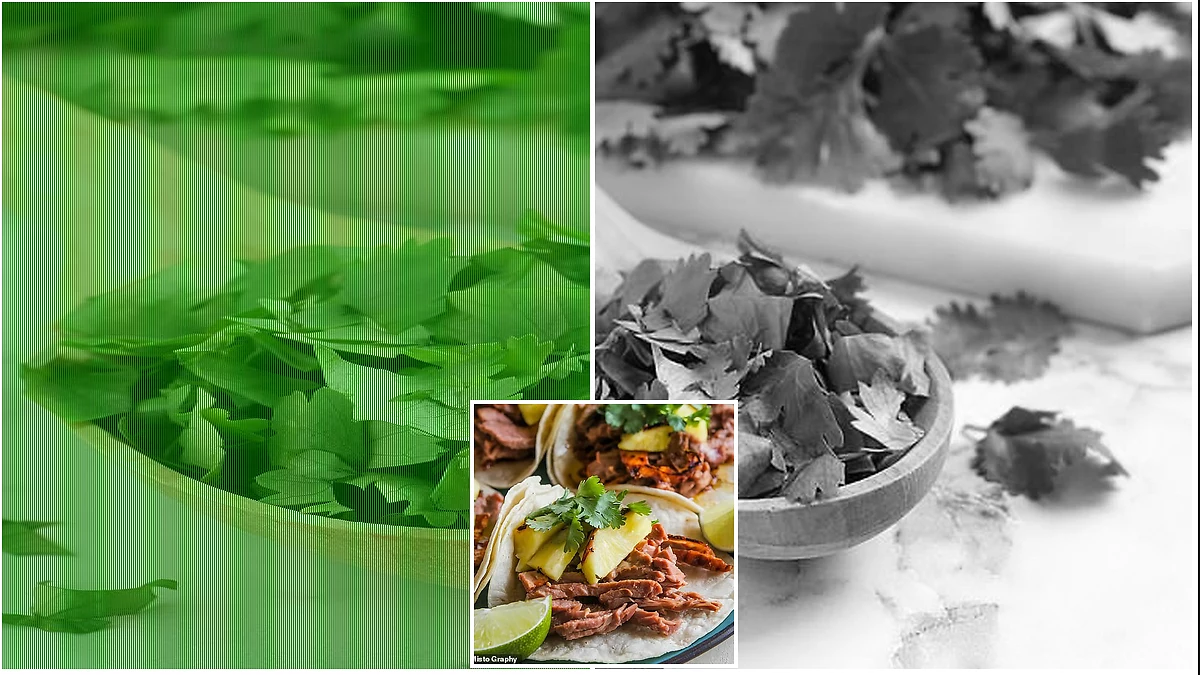

Few ingredients divide opinion quite like cilantro.
The vivid green herb brings a bright, citrus-like flavor to salsa, guacamole and countless other dishes.
For millions of Americans with specific genetic variations, however, that refreshing taste can resemble soap.
Cilantro has now become the subject of a different kind of debate online. Wellness influencers have promoted it as a natural way to manage type 2 diabetes, remove toxins from the body and fight infections.
To examine those claims, Our News Outlet spoke with two nutrition specialists about what current research actually shows.
Can this familiar herb really deliver the health benefits promised on social media? Here is what the experts say.

Cilantro is famously polarizing, but emerging research suggests it could have an effect on blood sugar
How cilantro could affect blood sugar
Cilantro contains several plant compounds that may influence the way the body processes glucose.
Studies suggest some of these substances may support insulin release, help tissues respond to insulin and slow the conversion of carbohydrates into sugar, potentially reducing blood glucose spikes.
Dr Ronald R Quinton, medical director of the Goldring Center for Culinary Medicine at Tulane University School of Medicine, told Our News Outlet that cilantro’s flavonoids, polyphenols and certain essential oils may encourage pancreatic cells to release insulin.
These compounds may also play a role in “improving insulin sensitivity in tissues,” Quinton said.
When insulin sensitivity is low, the pancreas may produce more insulin while the body struggles to remove glucose from the bloodstream. That can contribute to elevated blood sugar.
In one notable study published in Phytotherapy Research, cilantro extracts increased insulin secretion and reduced blood glucose levels in animal models of diabetes.
The important limitation
The research does not necessarily reflect what happens when someone sprinkles a small amount of fresh cilantro over tacos or mixes it into guacamole.
Many studies use concentrated extracts or powdered seeds. A recent trial published in Research Square reported improvements in blood sugar and cholesterol among people with type 2 diabetes who took cilantro seed supplements, but the participants received standardized, concentrated doses rather than ordinary fresh leaves.
“Some research suggests compounds in cilantro may influence insulin and glucose metabolism, but most of that evidence comes from laboratory and animal studies using concentrated extracts,” Caroline Meehan, a registered dietitian and clinical nutrition manager at Penn Medicine in Philadelphia, told Our News Outlet.
“There is limited evidence that eating fresh cilantro will meaningfully lower blood sugar. Think of cilantro as a flavorful and nutritious addition to a balanced diet, rather than a strategy for managing blood sugar.”
A few sprigs contain relatively small amounts of these compounds, meaning fresh cilantro on its own is unlikely to make a significant difference to blood sugar levels.
The truth about detox claims and antimicrobial effects

Cilantro is increasingly marketed as a detox ingredient, but experts say those claims should be treated cautiously
Social media has also cast cilantro as a natural cleanse capable of removing heavy metals and fighting infections.
Laboratory research has identified antimicrobial substances in the herb, including linalool, which has shown activity against bacteria such as E. coli and salmonella.
That finding does not mean, however, that eating fresh cilantro can detoxify the body or cure an infection.
“Research confirms cilantro has antimicrobial compounds like linalool effective against certain bacteria and fungi in lab studies, but these effects do not necessarily translate to clinical or food safety benefits from normal consumption,” Quinton said.
Meehan reached a similar conclusion.
“Research has shown that certain compounds in cilantro have antimicrobial properties in laboratory settings, but there isn’t strong evidence that eating fresh cilantro has the same effects in the body or can treat an infection,” she told Our News Outlet.
There is also little convincing evidence that cilantro can “detox” the body. The liver and kidneys already filter and remove waste naturally. Anyone with liver disease should consult a doctor before making significant dietary changes.
Potential risks to consider

Cilantro provides vitamins and antioxidants, but people taking blood thinners or diabetes medication should be cautious with concentrated products
As a food, fresh cilantro is a low-calorie herb that provides vitamins, antioxidants and flavor. It contains vitamin K, which supports bone health and blood clotting, as well as vitamin A and beta-carotene.
Like parsley, basil and mint, cilantro can add color, flavor and nutrients without adding much salt. The greater concern involves concentrated supplements and extracts.
“Safety-wise, cilantro is generally safe in food amounts, but large supplement doses could interact with blood thinners due to its vitamin K content or interact with diabetes medications, potentially causing excessive blood thinning or hypoglycemia,” Quinton told Our News Outlet.
Meehan also urged caution, pointing out that supplements do not undergo the same premarket approval process from the FDA as prescription medications.
“It’s important to use caution with supplements or concentrated products and discuss them with a healthcare provider, especially when taking prescription medications,” she said.
The bottom line
Cilantro can be a nutritious and flavorful part of a balanced diet. Although early research is encouraging, the herb is not a cure for high blood sugar or metabolic disease.
Use fresh cilantro to enhance home-cooked meals while adding flavor and nutrients without many calories or extra sodium.
People managing diabetes or another metabolic condition should continue using proven treatments and speak with a healthcare professional about the most appropriate care plan.


