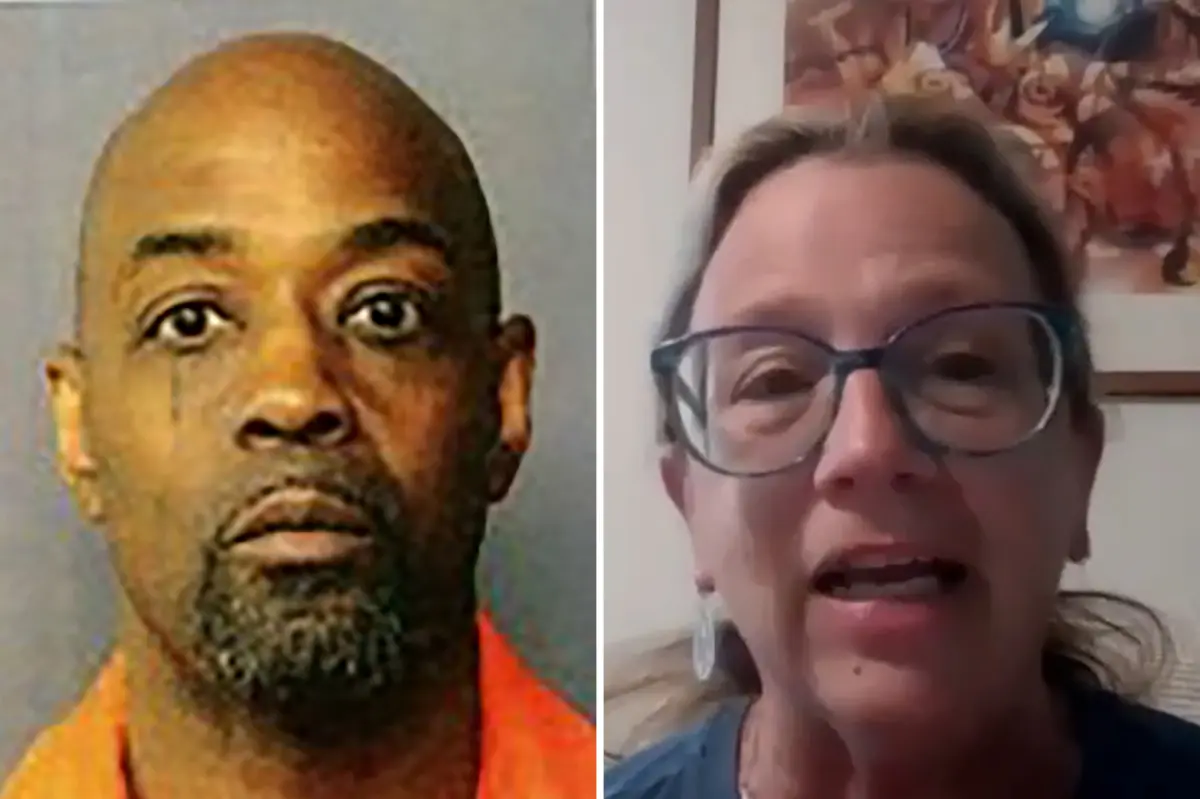

For 33 years, Amy carried the trauma of a Valentine’s Day rape in Virginia. The 1992 cold case was finally solved last year after DNA evidence connected the attack to a convicted rapist.
Anthony Favors, 57, originally faced six charges, including abduction and burglary. In September 2025, he accepted a plea agreement covering two rape counts in exchange for a 24-year prison term. Norfolk Judge Everett A. Martin Jr. sentenced him to 12 years on each count, to be served consecutively.
Several months later, Amy received an automated VINE notification saying Virginia’s parole board intended to review Favors’ case and consider whether he could be released.
“I finally get some sort of closure and justice. And then I get a text,” Amy told Fox News Digital. “Nobody yet has told me how he’s even eligible for parole.”
Norfolk Commonwealth’s Attorney Ramin Fatehi confirmed to Fox News Digital that Favors will probably face a “discretionary parole hearing” in the coming months.
Fatehi said the potential hearing stems from an overlap in Virginia’s parole rules. The board had previously reviewed Favors’ possible release in connection with another rape conviction, although it did not grant parole. That earlier review now allows officials to consider him again.
“It’s discretionary because he had been locked up for so long. He is theoretically eligible,” Fatehi said.
A separate rape conviction
Favors was already serving a 60-year sentence for a different rape committed in March 1992 when a DNA match in 2024 tied him to Amy’s case. Because both crimes occurred before Jan. 1, 1995, Virginia’s former sentencing laws permit the state parole board to consider him for release.
Fatehi said the likelihood of Favors being released was “slim chance to zero,” but the prospect of another hearing has deeply shaken Amy.
“The only word I can think of right now, honestly, is disgusting,” she said. “It’s wrong. How can you do that? Where is my justice?”

The assault permanently changed Amy’s life. Favors reportedly beat and raped the active-duty Navy sailor for hours inside her Norfolk apartment. Even after the attack, she went straight to her duty shift aboard a Navy ship.
More than three decades later, the emotional effects continue to shape her everyday life. Amy lives with severe PTSD, persistent sleep deprivation and hypervigilance, including an overwhelming need to check and recheck her locks.
“Some of the things that I did that I thought were normal, were not normal. And I still do,” Amy said. “Check the locks, recheck the locks, check the locks, recheck the locks. I’m not sleeping again because… it’s the unknown.”
“If you took the Amy before my rape and the Amy after my rape, I am two different people.”
Heather Keeley, director of the nonprofit advocacy organization Stand Tall, said survivors already live with the lasting burden of their assaults. She argued that scheduling another parole review adds to that trauma by requiring victims to repeatedly revisit the details of what happened.
“He was sentenced to 24 years in prison, which wouldn’t even put him up for parole 12 years later,” Keeley told Fox News Digital.
“And here it is less than six months later, and she’s calling us all that she just received a text message that he’s going before a parole board… how is that even possible?”
Forced to revisit the trauma
A new parole hearing would require Amy to describe her ordeal again and explain why she believes Favors remains a threat—potentially jeopardizing the progress she made through months of intensive trauma therapy.
She intends to ask the parole board to delay any further review for three years, rather than requiring her to confront the case every year.
“I now have to explain myself again as to why he shouldn’t get out… It’s too much. But I gotta speak for me, and I gotta speak for these other victims who can’t speak for themselves. So, I gotta do it.”
Amy is also concerned that the board’s decision-making could weaken public confidence in the justice system.
“If you’re paroling these people, what incentives does that give somebody else?” she asked. “If they’ve been raped or sexually assaulted, what gives them the incentive to go and report it?”
The Virginia Parole Board does not publish its complete hearing calendar, though it does release monthly parole decisions on its official website.
Favors’ attorney did not immediately respond to a request for comment. Fox News Digital also contacted Gov. Abigail Spanberger’s office for a response.