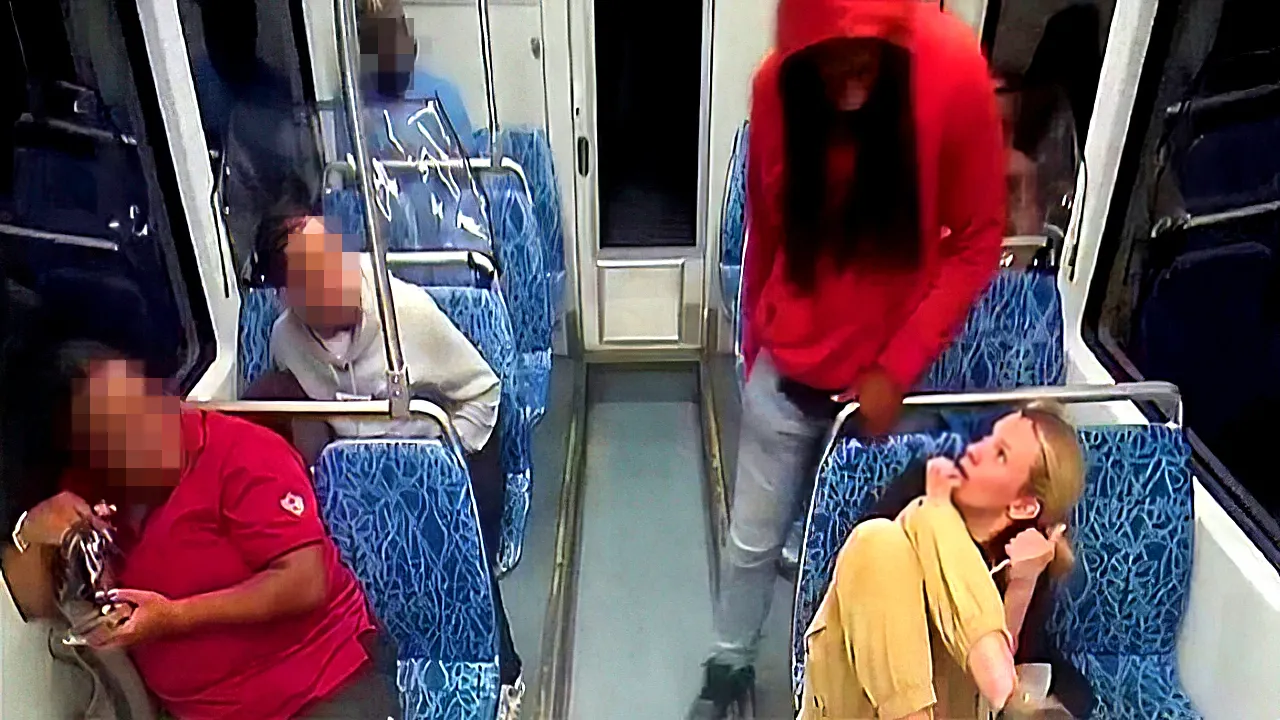

The city of Charlotte is urging a judge to dismiss a wrongful-death lawsuit brought by Iryna Zarutska’s family, which claims security shortcomings left her vulnerable on the city’s light-rail system. In a court filing, Charlotte argues that many of the decisions at issue are protected by governmental immunity.
The case attracted national attention after surveillance footage appeared to show Decarlos Brown Jr. sitting behind Zarutska on a Lynx Blue Line train. Prosecutors accuse Brown of stabbing her in the neck roughly four minutes after she boarded. Zarutska, a 23-year-old Ukrainian refugee, had just finished a shift at a nearby pizzeria.
Her family contends that Charlotte failed to provide adequate policing and security across the light-rail network. The city counters that decisions involving transit patrols, crime prevention, private security providers and public safety are governmental functions that North Carolina law generally shields from lawsuits.
Charlotte’s latest filing confirms that no private security guard was inside Zarutska’s train car when the killing occurred. It also states that Brown apparently entered without showing a ticket or pass and notes that the system does not use turnstiles or fare gates.
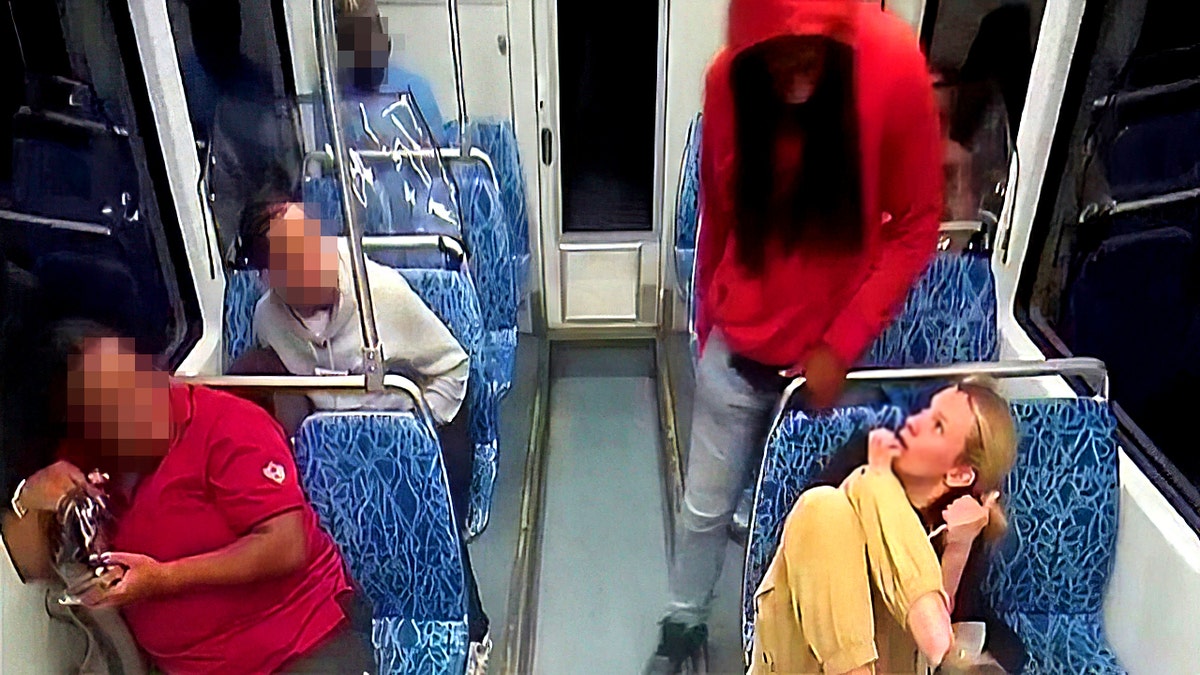
Surveillance footage shows Iryna Zarutska appearing to recoil as a man stands over her during a deadly attack on a Charlotte, North Carolina, light-rail train. (NewsNation via Charlotte Area Transit System)
The city disputes that those conditions caused Zarutska’s death. According to Charlotte, Brown acted independently, and the attack could not reasonably have been anticipated based on earlier crime reported across the transit system.
Zarutska’s relatives filed suit in August against Charlotte and Professional Police Services, the private company known as PSS that provides transit security. The complaint alleges that inadequate security left passengers exposed to violent crime.
On Monday, Charlotte submitted a 34-page motion asking a Mecklenburg County Superior Court judge to dismiss the claims filed against the city.
The city says the lawsuit challenges “law-enforcement deployment, transit policing, crime prevention, security-contractor oversight, and public-safety administration.” It maintains that those activities fall under governmental immunity.

A memorial honoring Iryna Zarutska stands in Charlotte, North Carolina, on Sept. 11, 2025. (Peter Zay/Anadolu via Getty Images)
Zarutska’s family addressed the immunity argument in its complaint, asserting that Charlotte gave up that protection. The family also argues that operating a fare-based light-rail service is a proprietary, rather than governmental, activity.
FIND OUT MORE: Filmmaker Reveals Why a Left-Wing Activist Offered Her a ‘Life-Changing’ Sum
The lawsuit claims that stricter fare enforcement, physical barriers and more effective security might have stopped Brown from entering the train or carrying out the attack.
The complaint cites a report from the North Carolina state auditor indicating that Charlotte and the Charlotte Area Transit System, or CATS, expected to spend approximately $2.23 million on safety and security equipment in 2025. The report says only about $470,000 had been spent, leaving nearly $1.76 million unused and several planned security projects incomplete.

A Sept. 14, 2022, booking photo of Decarlos Dejuan Brown Jr. following his arrest in Mecklenburg County. Brown is charged in the Aug. 22, 2025, stabbing death of Ukrainian refugee Iryna Zarutska aboard a Charlotte light-rail train. (Mecklenburg County Sheriff’s Office (MCSO))
Charlotte rejects the allegation that it disregarded passenger safety, saying CATS had armed and unarmed security officers under contract, worked with law enforcement and pursued other public-safety measures before Zarutska was killed.
The city further argues that Brown’s apparent failure to pay a fare did not indicate that he posed a threat to Zarutska. It says choices involving staffing levels, guard locations, surveillance and fare enforcement were not the cause of her death.
FBI REPORTS LARGEST DROP IN VIOLENT CRIME AND MURDER SINCE 1937 AS HOMICIDES FALL MORE THAN 18%

Ukrainian refugee Iryna Zarutska came to the United States to escape war before she was fatally stabbed in Charlotte. (Evgeniya Rush/GoFundMe)
Charlotte maintains that Brown is solely responsible for Zarutska’s death.
If the judge permits any claims against the city to continue, Charlotte argues that Zarutska’s estate should not be awarded more than $1 million.
The city is asking the court to dismiss every claim against Charlotte and to bar the family from bringing the same claims again. The judge has not issued a ruling.
News Outlet contacted the City of Charlotte, Professional Police Services and the attorney representing Zarutska’s estate for comment on the motion to dismiss.


