
A Florida pastor was convicted Wednesday for his role in a conspiracy to assassinate Haitian President Jovenel Moïse, a plot prosecutors said was organized in South Florida and partly funded with U.S. COVID-19 relief money used to pay foreign mercenaries.
Christian Emmanuel Sanon, a Haitian-American dual national, was found guilty of all eight federal charges after an almost eight-week trial in Miami. He could receive a life sentence when he is sentenced Feb. 10.
Prosecutors said the conspirators originally intended to install Sanon as Haiti’s president, with the promise of lucrative security and infrastructure contracts. But just weeks before Moïse was killed, they abandoned Sanon as their preferred leader.

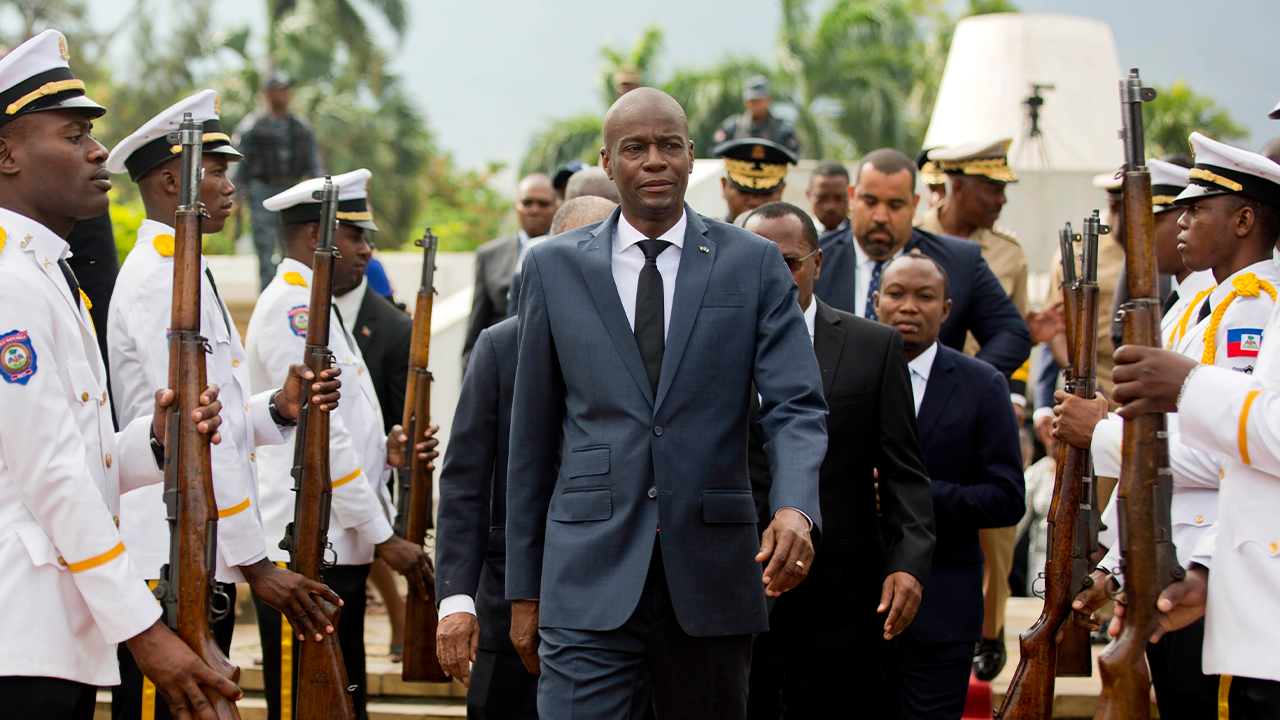
Haitian President Jovenel Moïse speaks during an interview at his home in Petion-Ville, a suburb of Port-au-Prince, Haiti, on Feb. 7, 2020. (AP Photo/Dieu Nalio Chery, File)
On July 7, 2021, a team made up largely of former Colombian soldiers raided Moïse’s residence. The attackers killed the president and wounded his wife.
Sanon testified that he knew nothing about a plan to kill Moïse. He acknowledged communicating with people who wanted to replace the Haitian president, but said the group had selected another candidate well before the assassination.
His lawyer, Zeljka Bozanic, said the defense was disappointed with the verdict and intended to appeal.
Prosecutors described South Florida as the conspiracy’s planning and financial center. The operation involved approximately two dozen foreign mercenaries, some of whom were paid with money taken from federal pandemic-relief programs designed to support businesses.
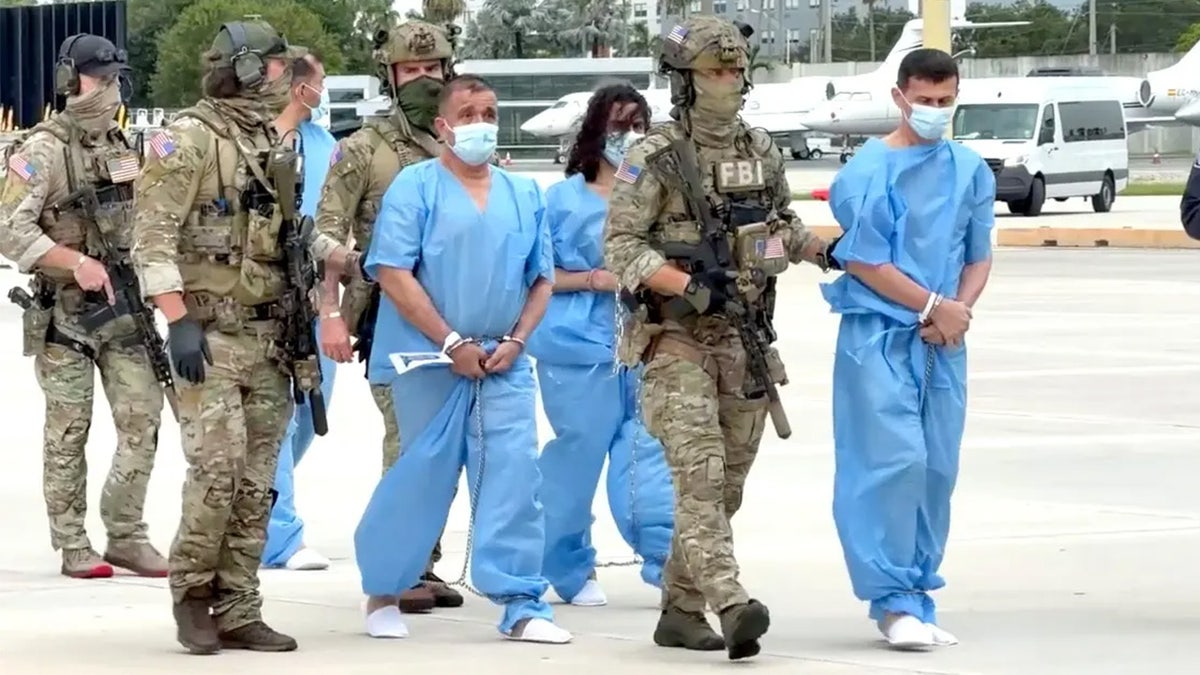
Fox News cameras recorded the arrival in Haiti of 18 suspects in the 2021 killing of Haitian President Jovenel Moïse on Sunday, Sept. 20. (Fox News Channel)
The indictment said the alleged scheme began taking shape in April 2021, when Sanon met in South Florida with a former Haitian senator and several American businesspeople.
Investigators said the participants agreed that, if Sanon became president, he would award contracts for infrastructure work, security services and military equipment to two Florida-based companies.
The companies initially recruited about 18 Colombians with military backgrounds to protect Sanon. Prosecutors said the conspirators spent months obtaining weapons and body armor while also trying to build relationships with Haitian gangs.
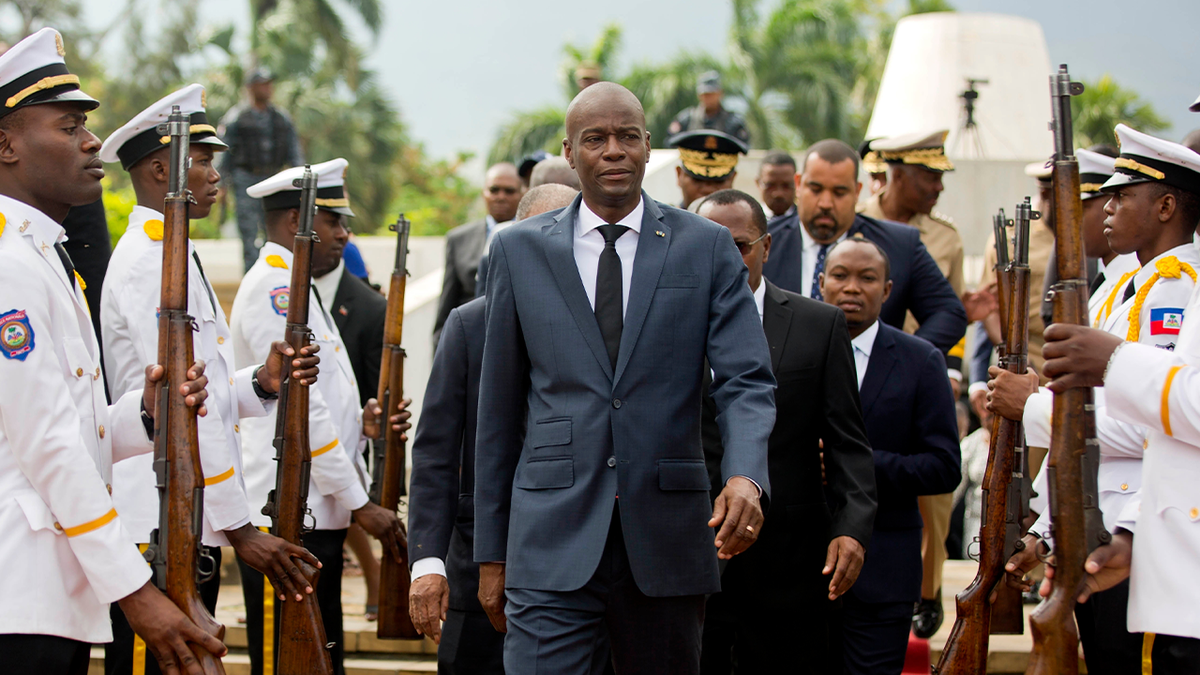
Haitian President Jovenel Moïse, center, leaves a museum during a ceremony marking the 215th anniversary of revolutionary hero Toussaint Louverture’s death at the National Pantheon Museum in Port-au-Prince on April 7, 2018. (AP Photo/Dieu Nalio Chery)
Prosecutors presented evidence that Sanon helped collect funds for the operation and arranged transportation and accommodations in Haiti for himself and other participants.
By June 2021, the plotters had determined that Sanon lacked both the constitutional eligibility and public backing required to become president. They then shifted their support to another candidate.
Sanon is one of 12 defendants convicted in the U.S. investigation into Moïse’s killing. More than 40 people have been charged, and five are already serving life sentences.
Four additional men were convicted in May of conspiring to kill or kidnap Moïse, providing material support for the scheme and violating the U.S. Neutrality Act. They, too, could be sentenced to life in prison.
Haiti has remained without a president for more than five years since Moïse’s assassination, an event that intensified the Caribbean nation’s political crisis. A presidential election is scheduled for next year.


