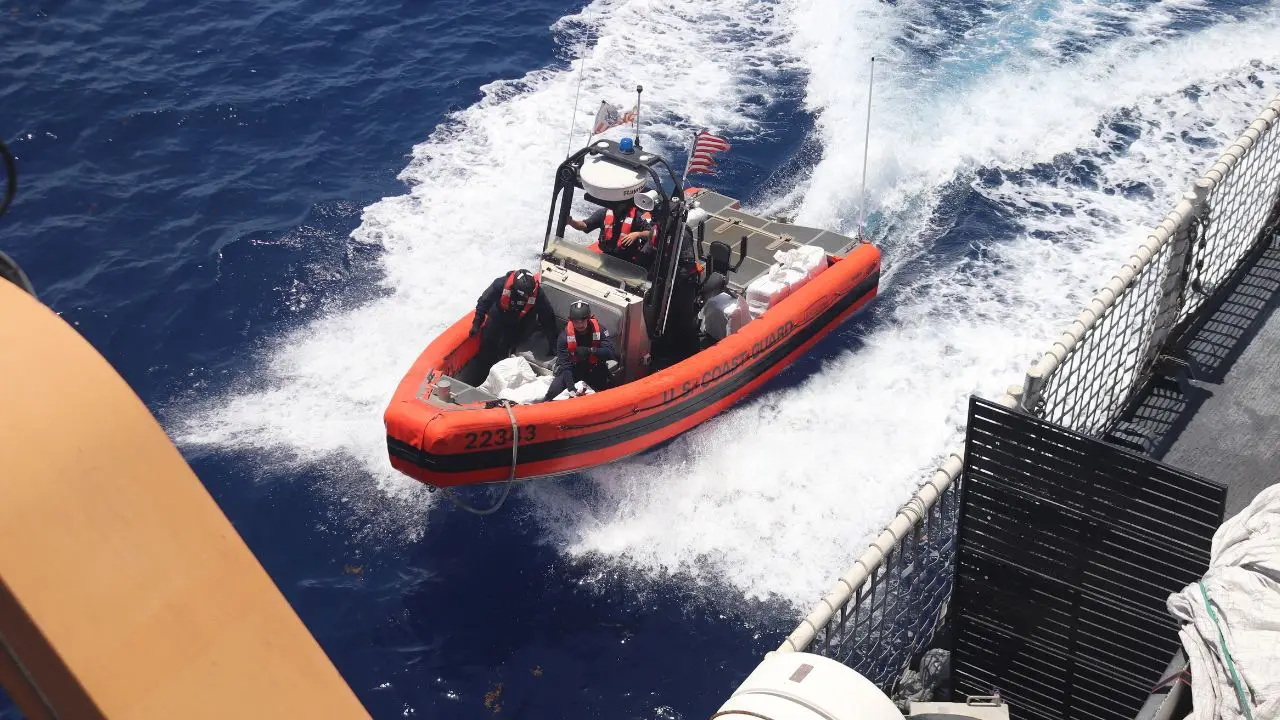

The U.S. Coast Guard sent specialized cyber teams aboard two foreign-flagged commercial ships heading toward American ports in August after discovering signs that “foreign cyber actors” had breached their networks, a Coast Guard spokesperson told News Outlet on Monday.
The offshore boardings occurred Aug. 21 and Aug. 24 in the Gulf of America. Officials said the teams addressed the suspected threats before either vessel arrived at a U.S. port.
The disclosure came the same day The Wall Street Journal reported that U.S. authorities are examining possible Iranian involvement in dozens of cyberattacks against energy tankers.
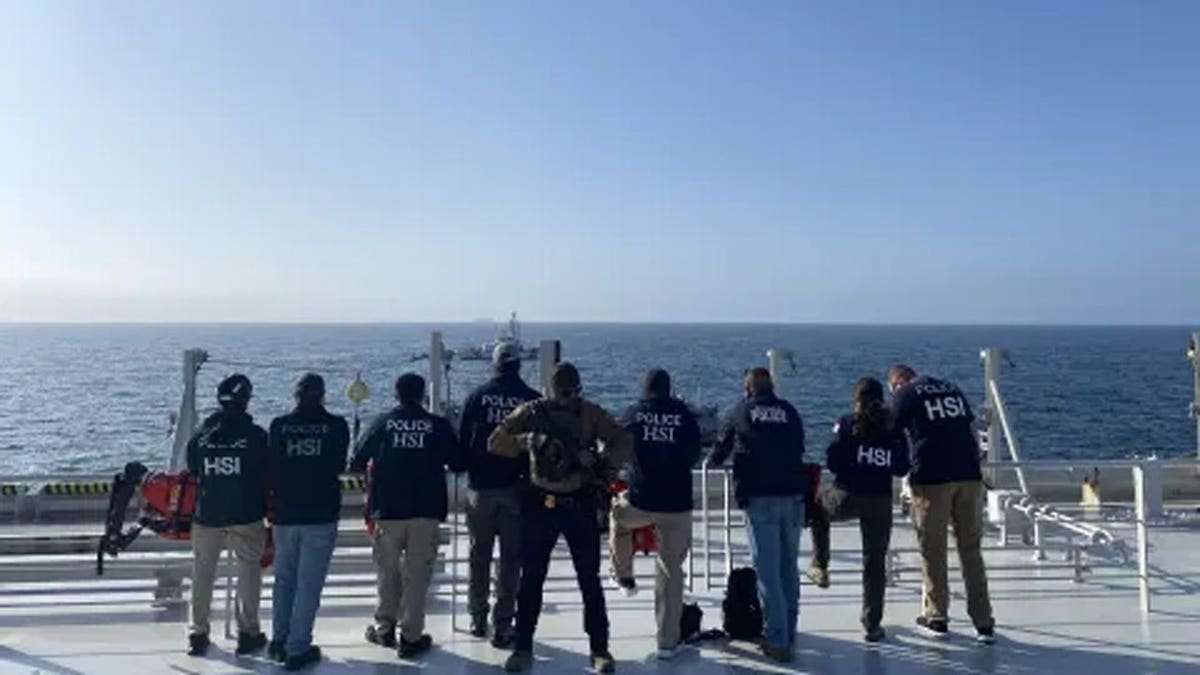
The U.S. Coast Guard and Homeland Security Investigations conducted a joint boarding operation aboard the tanker in the Port of Los Angeles. (Department of Homeland Security)
The Coast Guard said it worked closely with the FBI and federal cybersecurity specialists to conduct the joint security inspections of the two inbound foreign-flagged ships.
The inspections were intended to verify the security of each vessel’s operational and information technology systems after officials received indications that both networks had been compromised by foreign cyber actors.
On Aug. 21, a team consisting of law enforcement officers, Coast Guard Cyber Protection Team members, a vessel inspector and FBI Cyber Action Team personnel boarded the first ship to examine the suspected breach.
The vessel’s captain, crew and shore-based company personnel played an important role in helping officials contain and neutralize the threat, the spokesperson said.
A second multiagency boarding and safety assessment followed on Aug. 24 aboard another vessel in the Gulf of America, according to the Coast Guard.

The Coast Guard (pictured here in Miami) has complete authority to make sure ships comply with US law and international law. (iStock)
Officials reported no interruptions to operations, instability aboard either vessel, danger to crew members or environmental damage.
The Coast Guard said it is working with port authorities, ship operators and other maritime partners to keep commercial activity moving safely and without disruption.
YOU MAY ALSO READ: Revealed: The Salaries of Australia’s 30 Highest-Paid Public Servants
The Wall Street Journal reported that the attackers exploited weaknesses in Fortinet networking equipment. The suspected intrusions prompted the Coast Guard inspections after crews reportedly received bomb threats stating that “traitor ships will burn in hell.”

A Coast Guard MH-65 Dolphin helicopter crew. (U.S. Coast Guard photo by Chief Petty Officer David Mosley)
As many as 50 ships carrying oil, liquefied petroleum gas, chemicals and other potentially explosive materials may have been targeted, the Journal reported, citing U.S. officials.
A European shipping executive told the newspaper that maritime personnel also received threatening messages on their mobile phones.
One ransom message sent to the captain of the Liberian-flagged supertanker Prosperity, which was transporting roughly 2.3 million barrels of oil, characterized the attack as a “planned execution.”
In one reported incident, hackers gained access to a ship’s propulsion and navigation systems. Communications were disrupted for approximately 30 hours, forcing the crew to operate manually and potentially delaying energy deliveries to Asia and Europe.
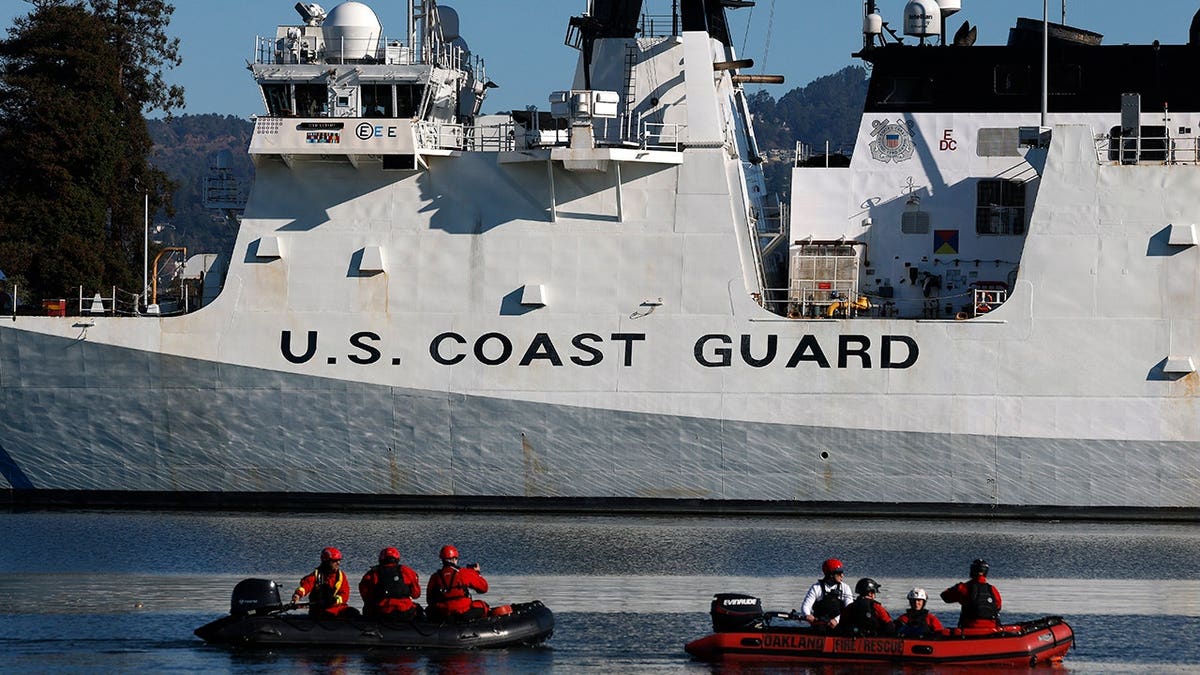
The U.S. Coast Guard will be ending admissions for college students wanting to commission as officers that take race into consideration as part of the Trump administration’s continued anti-diversity, equity and inclusion initiative, News Outlet has learned. (Justin Sullivan/Getty Images)
The Coast Guard emphasized that the nation’s Marine Transportation System is essential to both economic strength and national security, making cyber protection a routine part of its safety mission.
The agency said cyber risk management is handled alongside traditional checks for mechanical problems and severe weather as officials work to support safe vessel movement through U.S. ports and waterways.
Although confirmed cyber disruptions at sea remain rare, the Coast Guard cautioned that even isolated technical failures can create unnecessary delays for commercial shipping.
The agency urged maritime companies and other industry participants to use the Coast Guard Cyber Command’s free, non-regulatory technical assistance, strengthen their digital security practices and report suspected irregularities to the National Response Center.