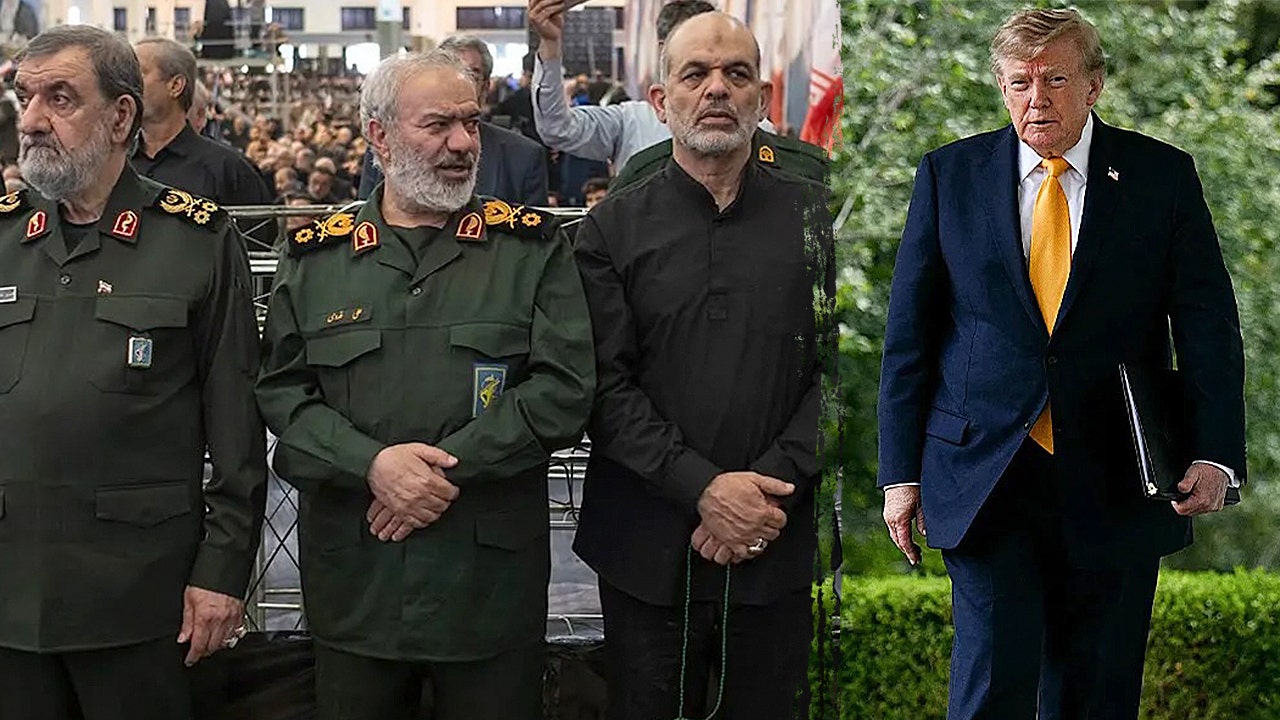

The Trump administration has revived discussions about possible strikes against senior Iranian regime officials, with some U.S. policymakers viewing the move as a way to pressure Tehran to bring the war to an end, according to reports.
NBC News, citing a U.S. official and another source, reported Tuesday that certain administration officials believe removing top Iranian leaders could demonstrate that Washington can track and target the regime’s leadership whenever it chooses—potentially compelling Tehran to stop the fighting.
The option has been considered for some time, but two sources told the outlet that it has “been under renewed discussion in recent weeks” as President Donald Trump weighs the next stage of the conflict.
The internal debate follows reports that Iran may be working to develop a radioactive “dirty bomb,” along with intelligence assessments cited by another report alleging that Iran could be considering chemical-weapons plots against senior U.S. officials in Washington.
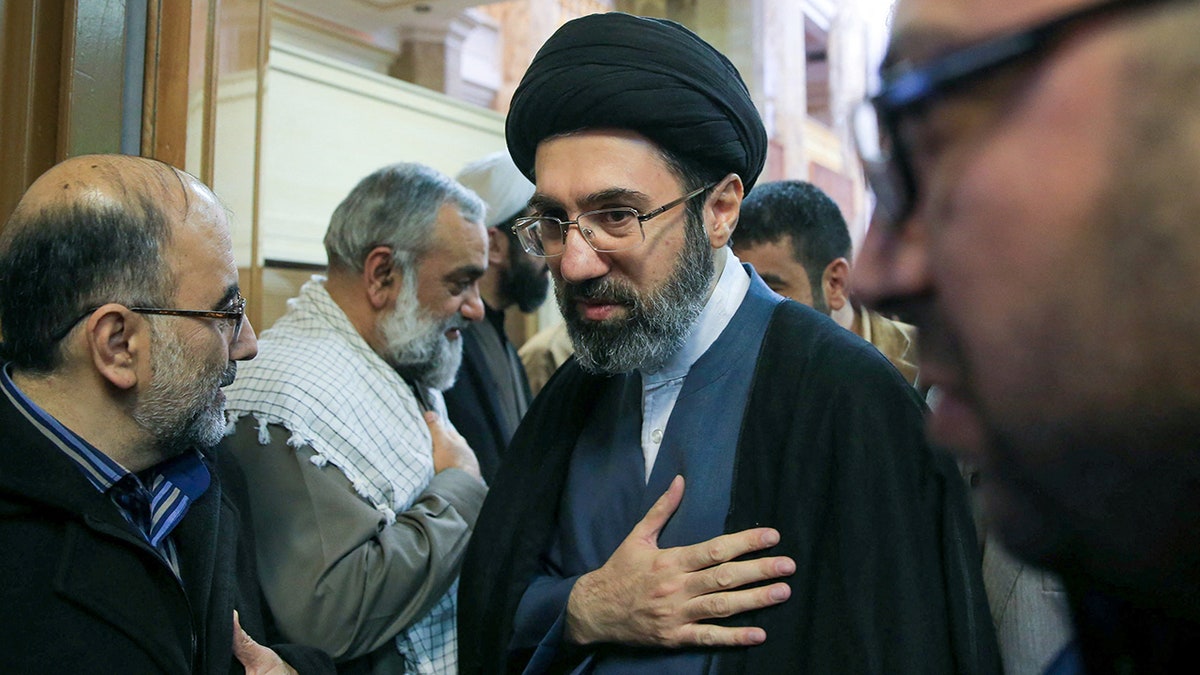
Iran’s new supreme leader, Mojtaba Khamenei, the second son of late Iranian Supreme Leader Ayatollah Ali Khamenei, attends a meeting in Tehran, Iran, in a photo from March 2016. (Rouhollah Vahdati/ISNA/WANA/Reuters)
“We know a lot about what’s happening in Iran. We know everything they say. We know who they are, where they are. We’ll find out about it. We will not allow that,” Trump told reporters at the White House on Nov. 20.
Iran’s remaining leadership is headed by Supreme Leader Mojtaba Khamenei, who took over after his father, Ayatollah Ali Khamenei, was killed in the war’s opening strikes on Feb. 28.
Other key figures in Iran’s military and national-security structure include Islamic Revolutionary Guard Corps (IRGC) Commander Ahmad Vahidi, Armed Forces Chief of Staff Ali Abdollahi, Army Chief Amir Hatami and Mohsen Rezaei. Rezaei, a former IRGC commander in chief, was reportedly named secretary of Iran’s Supreme National Security Council in August 2026.
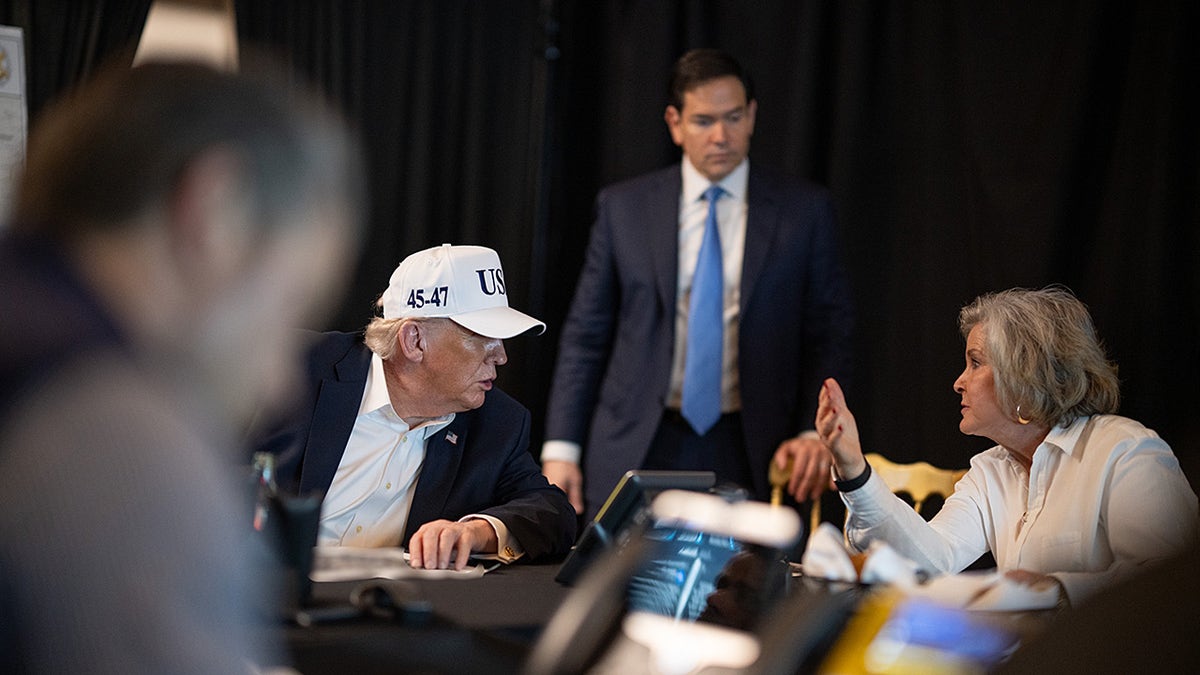
President Donald Trump monitors U.S. military operations in Iran after an Israeli strike in Tehran Feb. 28, 2026. (@WhiteHouse/X)
NBC News did not name any of those officials as confirmed targets in the operations reportedly being considered.
Officials who oppose the proposal have warned that attacks on Iran’s leaders could trigger retaliation against American personnel, strengthen the resolve of surviving regime figures and make future diplomatic efforts more difficult. The conflict is now entering its ninth month.
At the same time, the administration continues to review its military choices, maintain a naval blockade and assert control over the strategically important Strait of Hormuz.
The latest debate comes months after U.S. and Israeli strikes killed Iran’s supreme leader along with other senior military and intelligence officials. Those attacks set off a prolonged confrontation focused on Tehran’s nuclear ambitions, ballistic-missile program and military activities across the region.
Mojtaba Khamenei was reportedly wounded in the strikes that killed his father and has largely remained out of public view since taking power. He has nevertheless warned Washington and Jerusalem against launching renewed large-scale attacks on Iran’s leadership.
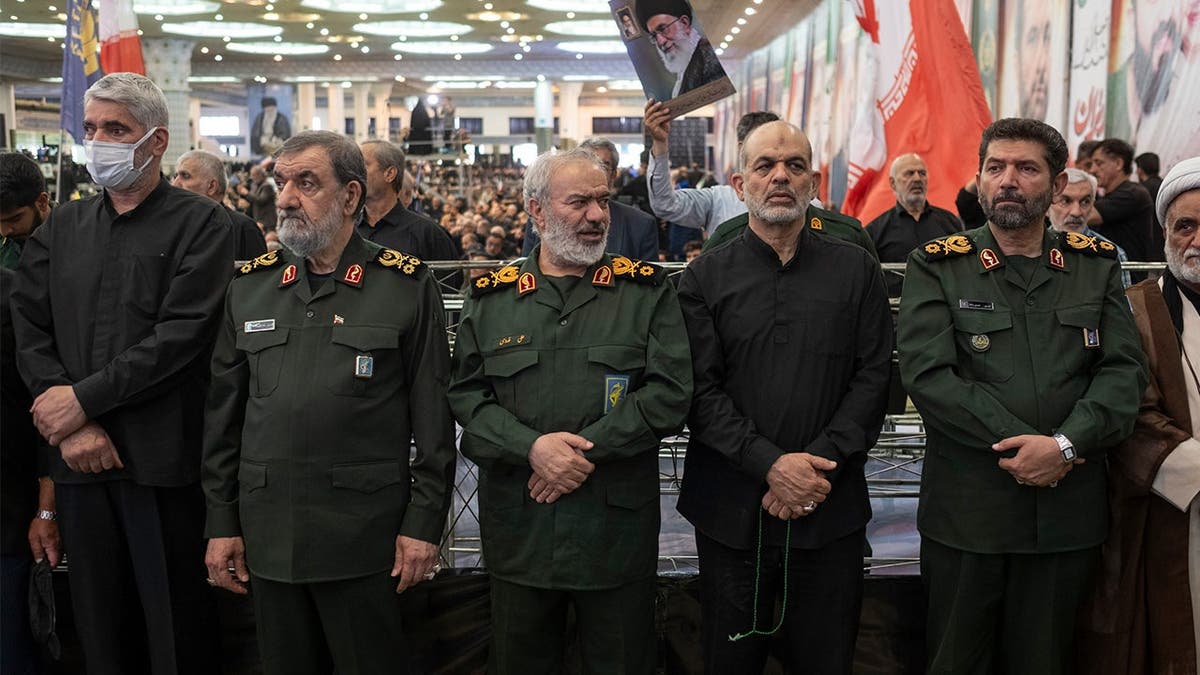
Islamic Revolutionary Guard Corps (IRGC) generals and commanders Mohsen Rezaei, second left; Ali Fadavi, third left; Ahmad Vahidi, second right; and Hassan Hassanzadeh, right, attend a memorial ceremony for IRGC commanders, nuclear scientists and civilians killed in the Iran-Israel war at the Imam Khomeini Grand Mosque in downtown Tehran, Iran, July 2, 2025. (Morteza Nikoubazl/NurPhoto via Getty Images)
“If the enemies once again launch military or terrorist attacks, it is the armed forces of the Islamic Republic and the Iranian nation that will determine the time and conditions for ending them,” a statement attributed to Khamenei said.
The warning reportedly came after a meeting with senior Iranian commanders, including Abdollahi, Hatami and Vahidi. On Oct. 31, Khamenei also ordered Iran’s armed forces to prepare an “immediate, impactful and geographically unrestricted response” to any future threat.
“The United States is in a very strong position, with control of the Strait of Hormuz and the Iranian economy collapsing,” a White House official told News Outlet Tuesday.
“The president has made clear that the greatest naval blockade in history, Operation Economic Outcast, and the new Task Force Iron Gate will remain fully in effect.
“President Trump has numerous options available and will make the best decision to ensure Iran can never obtain a nuclear weapon.”


