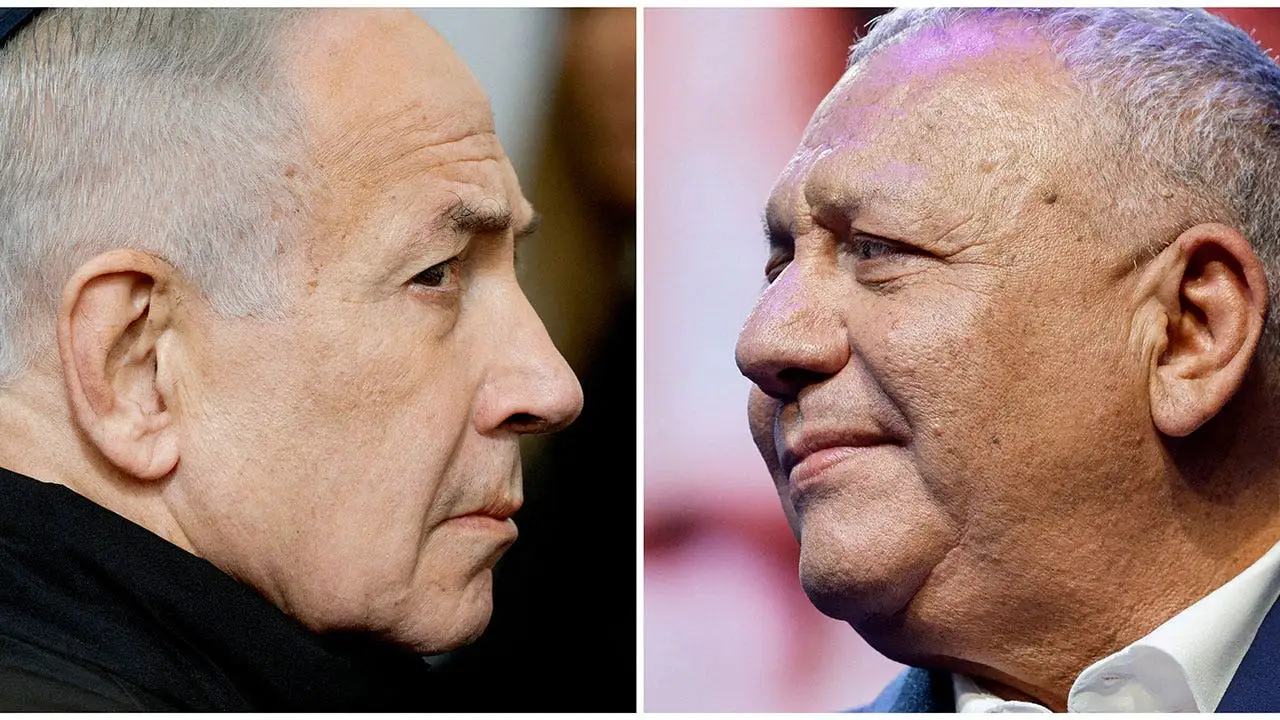

Israeli Prime Minister Benjamin Netanyahu’s effort to establish a unity government collapsed Sunday after talks with his main political rival failed to produce an agreement, The Times of Israel reported.
Yashar chairman Gadi Eisenkot turned down Netanyahu’s proposal for a rotating premiership, under which Eisenkot would serve as prime minister first before handing the position to Netanyahu.
According to the report, the negotiations made no headway Sunday, and no additional meetings have been scheduled.
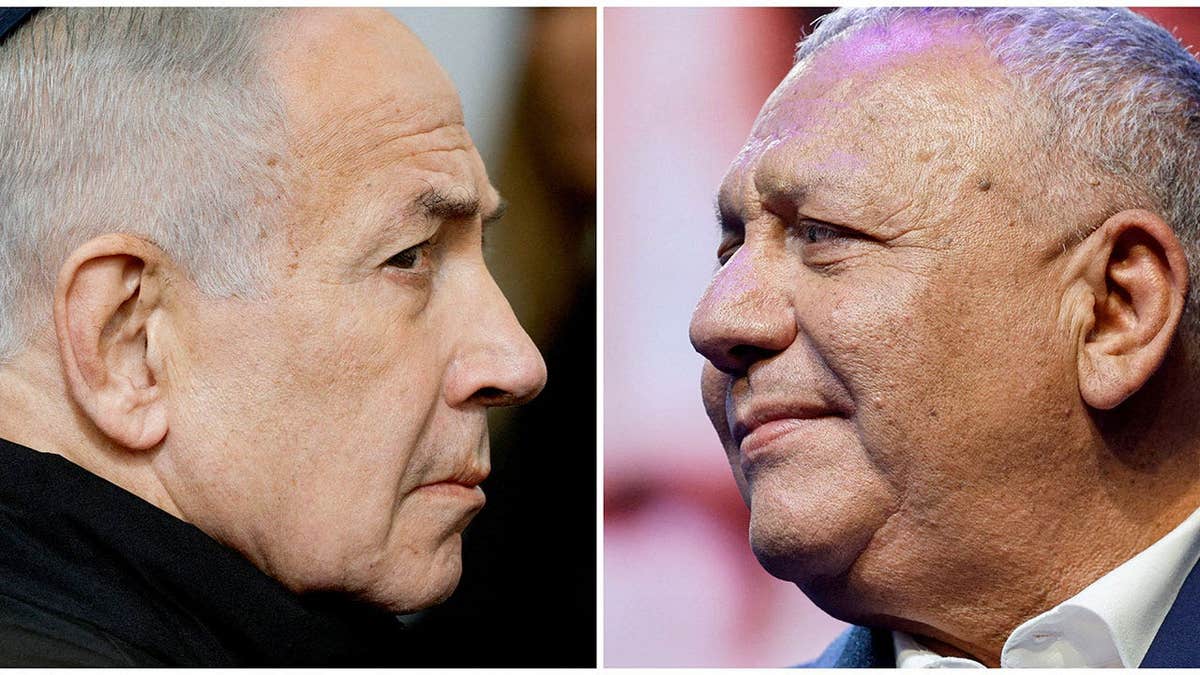
Prime Minister Benjamin Netanyahu and Israeli opposition leader and former military chief Gadi Eisenkot. (Amir Cohen/Reuters)
Netanyahu first proposed sharing power Saturday. In a social media post, he said he believed the leader of the largest party should head the Israeli government. But he added that, “given the magnitude of the existential threat and the possibility that a government could be formed that isn’t able to deal with this danger,” his responsibility as a leader demanded that he “put everything aside.”
The offer came as Eisenkot, a former military chief, reportedly moved closer to building an opposition-backed coalition aimed at removing Netanyahu from power altogether.

Gadi Eisenkot is seen at the Black Arrow memorial site near Kibbutz Mefalsim during a visit to deliver a statement near the border with the Gaza Strip on Oct. 15, 2026, ahead of Israel’s legislative election. Eisenkot vowed to defeat Hamas in Gaza if he becomes prime minister. (Ilia Yefimovich/AFP via Getty Images)
Israel’s Oct. 27 legislative election produced no governing majority, leaving both Netanyahu and Eisenkot without a clear route to the prime minister’s office.
Since then, Eisenkot has sought to convert the election results into a governing coalition after Israeli President Isaac Herzog assigned him the task of forming a government earlier this month.
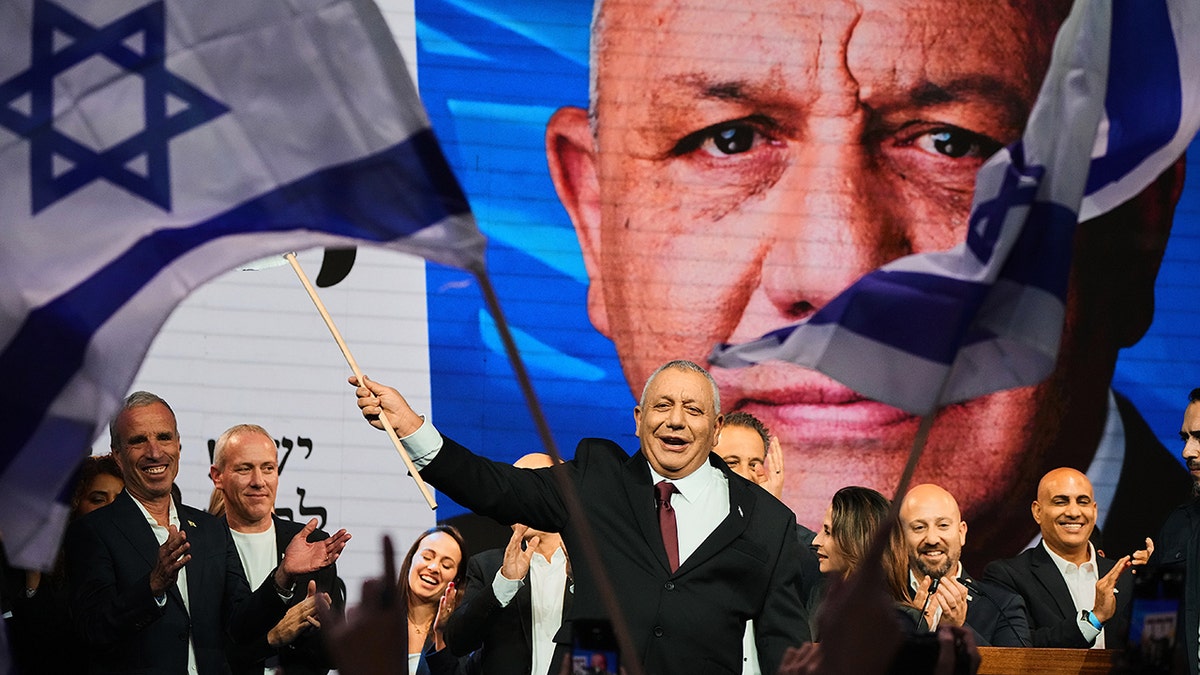
Gadi Eisenkot waves an Israeli flag onstage following the release of the first exit poll results in Israel’s general election in Tel Aviv, Oct. 28, 2026. (Ariel Schalit/AP Photo)
Eisenkot has until Dec. 6 to complete a coalition, though he may request a 14-day extension.
His efforts received a boost this week from potential coalition partners, including the left-wing Democrats and the right-wing Yisrael Beiteinu party. Their support improved his chances of securing a parliamentary majority.