Labour’s proposal to make Netflix viewers pay the BBC licence fee, whether or not they watch BBC programmes, has triggered a fierce backlash.
Opposition politicians dismissed the proposed £180 annual charge as both “lazy” and “absurd”.
Meanwhile, a petition describing the plan as “wholly unacceptable” more than tripled its support in a single day, passing 300,000 signatures.
Under reforms expected to be announced by Culture Secretary Lisa Nandy before Christmas, subscribers to streaming services including Netflix, Amazon Prime Video, Disney+, NOW, Paramount+ and HBO Max would be required to pay the £180 annual fee.
The charge would come on top of existing subscription costs. An entry-level Netflix package currently costs £95 a year, the Sunday Times reported.
That would leave millions of households that cancelled their TV licences because they no longer watch traditional television with no choice over whether they contribute to the BBC.
Ministers and the BBC argue that far-reaching reform is essential to protect the corporation’s future as viewing habits continue to change.
However, Labour’s proposed “Netflix tax” has drawn sharp criticism, with opponents claiming it undermines Andy Burnham’s focus on the cost-of-living crisis.

Labour’s proposal to make all streaming subscribers pay the BBC’s £180 licence fee on top of their existing bills has been condemned as a “lazy” and “absurd” response to its funding problems

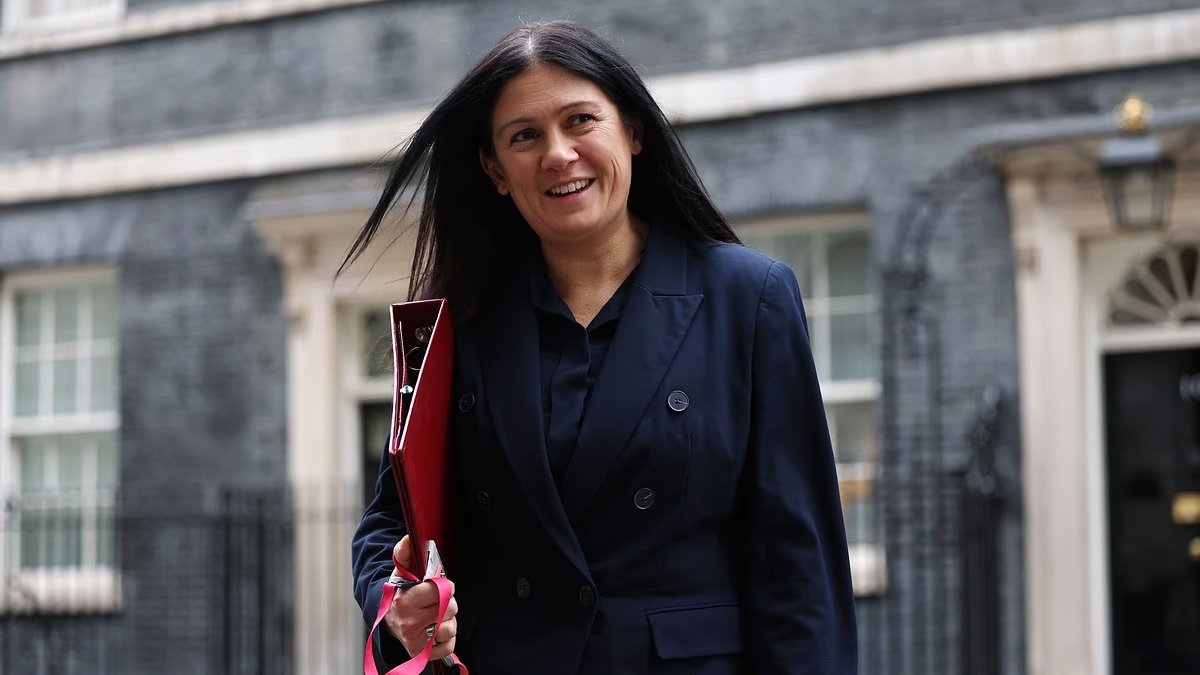
Culture Secretary Lisa Nandy is expected to confirm that ministers have selected the so-called “Netflix tax” despite strong opposition
Conservative leader Kemi Badenoch said: “Families are already being forced to make difficult choices about what they can and cannot afford.
“If people would rather spend their money on Netflix than the BBC, that should be their decision. Why should this Labour government interfere?”
She said the BBC charter renewal was a “real opportunity” to consider the corporation’s future role, including “what is no longer necessary given the huge amount of content available elsewhere”.
“That opportunity has now been wasted because the lazy Labour Party did not ask those questions and instead went straight to deciding who else it could tax.”
She added: “Making more people pay for the BBC will not make more people want to watch it.”
Reform UK leader Nigel Farage called the proposal “extortion”, while the party’s economics spokesman Robert Jenrick described imposing a £180 charge on people who do not watch the BBC, particularly when they are least able to afford it, as “absurd”.
A petition launched by campaigner Alec Burns, titled “Do not extend the BBC licence fee to streaming services”, quickly passed the 100,000 signatures required to trigger a parliamentary debate before exceeding three times that figure.
About 80 per cent of eligible households currently pay the licence fee. However, that proportion is forecast to fall below one-third by 2038 if the existing funding system remains unchanged.
The decline has intensified questions about the corporation’s long-term survival. The BBC is already seeking £500 million in savings by 2028, with areas including sport and weather bulletins facing reductions.
Earlier this year, director-general Matt Brittin described the current licence fee system as a “busted flush”, while Ms Nandy has called it “unsustainable”.
Analysts note that 99 per cent of British internet users watch or stream television each month. Requiring them to pay the licence fee would therefore make the charge “close to universal”.
Some services would not be included, however. YouTube, social media platforms such as Instagram and TikTok, BBC radio and the corporation’s news website would all be exempt.
Ministers are expected to argue that introducing the charge, which would not take effect before 2028, would place the BBC on a secure financial footing for the long term.
A Whitehall source told the Sunday Times: “For the BBC to survive, it needs a firm financial foundation. That is the option we will choose.”
Executives at streaming companies have warned that subscribers could cancel their services, while providers might respond by reducing investment in the UK.
A report published last week by media consultancy Ampere Analysis estimated that a blanket £180-a-year streaming levy could generate an additional £1.6 billion annually for the BBC by 2032.
It said non-payment could be “eliminated” by requiring users to verify their TV licence when signing into a streaming service. That would prevent viewers from avoiding the charge by watching programmes on tablets or mobile phones.
The report identified another option that could prove more acceptable during the continuing cost-of-living pressures: expanding the licence fee while reducing it to £150.
However, there are understood to be no current plans to reduce the fee, although discussions within government are continuing.
Ministers are also considering whether failure to pay the licence fee should be decriminalised, but no change is currently expected.
YouTube is understood to have been left out because it is generally free to use and most of its content is produced by users.
The licence fee debate comes after a federal judge in Florida allowed a $10 billion defamation case brought by US President Donald Trump against the corporation to proceed.
He had previously objected to the UK’s digital services tax on American technology companies and could yet pressure ministers to reconsider the proposed reforms.
The BBC said last week that it had “consistently argued that the current funding model is not sustainable and needs reform”.
A spokesman added: “We will continue to engage with the government to secure a new Charter that provides sufficient, sustainable and universal funding, enabling the BBC to serve audiences for generations to come.”
In a statement, the Department for Digital, Culture, Media and Sport said: “The BBC must be funded through a model that is sustainable and fair to everyone who pays for it.
“As part of the charter review, we are examining a range of options, including ways the licence fee could be reformed, but no final decisions have been made.”


