
Investors cannot claim they were not warned. Regulators and financial institutions including the Bank of England, the IMF and the Bank for International Settlements in Basel have repeatedly highlighted the dangers of an AI bubble.
At a meeting in Bangkok a week ago, the IMF cautioned that a correction in AI markets could unleash deleveraging with potentially cataclysmic consequences.
After examining 14 transactions, the fund estimated that as much as $650 billion of debt and $300 billion in equity could be exposed if expectations for future returns prove excessively optimistic.
Signs of a reckoning may already be emerging. In South Korea, a major centre for AI innovation and manufacturing, shares in data-centre and AI specialist Elice plunged 32 per cent on their Seoul market debut.
Bloomberg has identified six AI-related companies whose valuations have been sharply reduced in recent days. In Australia, Firmus Grid and AirTrunk have both postponed their initial public offerings.
In Britain, investors have raised questions about Nscale’s valuation. More troublingly, the yield on bonds issued by cloud-computing company CoreWeave has surged to 15 per cent.

Investors are seeking to shield their portfolios from possible cascading losses as trillions of dollars are raised worldwide to finance AI development and data centres.
Growing doubts over generous AI valuations have led analysts to describe the decline as the longest losing run for technology shares in almost 20 years.
The turbulence has yet to hurt Silicon Valley’s hyperscale companies. But the financial crisis offers a warning: its earliest tremors came from smaller players such as Britain’s Northern Rock and America’s Bear Stearns.
The collapse of Lehman Brothers, the upheaval that overwhelmed banks in Iceland and Ireland, and rescue efforts involving NatWest owner Royal Bank of Scotland, Citibank and even Goldman Sachs followed later.
It is still unclear how the current episode will unfold. Another sign of possible stress, however, is the surge of money into credit default swaps, a form of insurance that came to prominence during the Great Financial Crisis.
Investors are using the contracts to protect their portfolios against cascading losses linked to the trillions being raised around the world for AI development and data-centre construction.
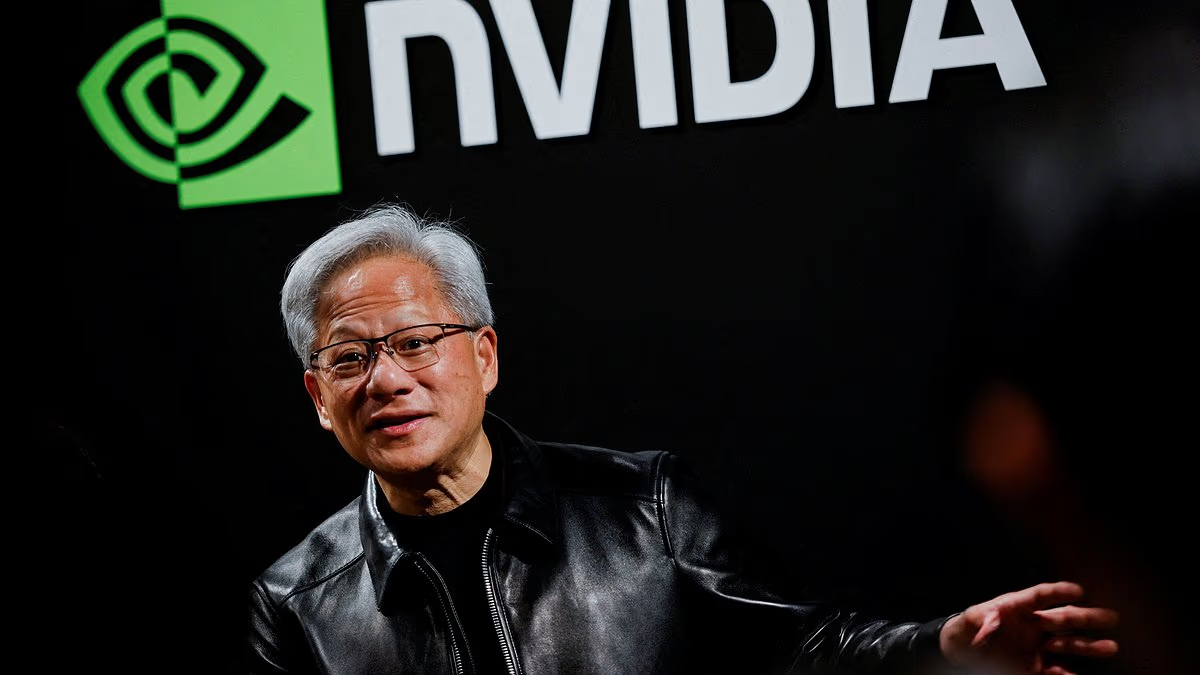
Morgan Stanley says investors have bought about $9 billion in CDS contracts to insure exposure to bonds issued by AI heavyweights, including SpaceX and Nvidia.
Trading volumes in CDS contracts have risen sharply, while the cost of insuring against future losses has also increased.
The event that sparks a crisis is often impossible to predict. Last year, there were fears that the failures of private-credit borrowers First Brands, an auto-parts company, and Tricolor, a motor-finance business, could trigger a wider breakdown. So far, those fears have not materialised.
Barclays, however, is under investigation over allegations that it under-reported its exposure to private credit.
UK investment trusts often promote themselves as an established route into technology and AI, pointing to the strong returns they have delivered. But markets can behave irrationally for longer than investors expect.
The Budget must not kill off green shoots
Chancellor John Healey could hardly have wished for more favourable economic figures ahead of the Budget.
Following the IMF’s praise for fiscal policy and August’s rise in output, employment figures have also improved. The headline unemployment rate fell during the month, payroll numbers increased and unemployment among young people declined.
The figures are consistent with recent surveys showing that hiring into new roles is accelerating, while service-sector job cuts are easing.
The fly in the ointment is the 3.7 per cent rise in regular pay. Income data is closely followed by interest rate setters at the Bank of England, fearful of second-round effects such as rising pay awards in response to an energy supply shock.
There is a clear message for Healey. The economy is emerging from the shadow of the business tax hit. Don’t poison the green shoots with more levies.
Hot water for Thames
Creditors to Thames Water have shrewdly appointed Labour insider John Hutton as ‘independent chair’ as they battle with Andy Burnham’s government over the future of Britain’s largest water supplier.
The Prime Minister wants more public control. All kinds of ideas, such as turning outstanding fines into a government equity holding, are out there.
Allowing existing creditors, who brought Thames to its knees, to seize back control in a cosy deal should not be an option.
DIY INVESTING PLATFORMS
AJ Bell
AJ Bell
Easy investing and ready-made portfolios
Hargreaves Lansdown
Hargreaves Lansdown
Free fund dealing and investment ideas

interactive investor
interactive investor
Flat-fee investing from £4.99 per month

Freetrade
Freetrade
Investing Isa now free on basic plan

Trading 212
Trading 212
Free share dealing and no account fee
Affiliate links: If you take out a product This is Money may earn a commission. These deals are chosen by our editorial team, as we think they are worth highlighting. This does not affect our editorial independence.
Compare the best investing account for you