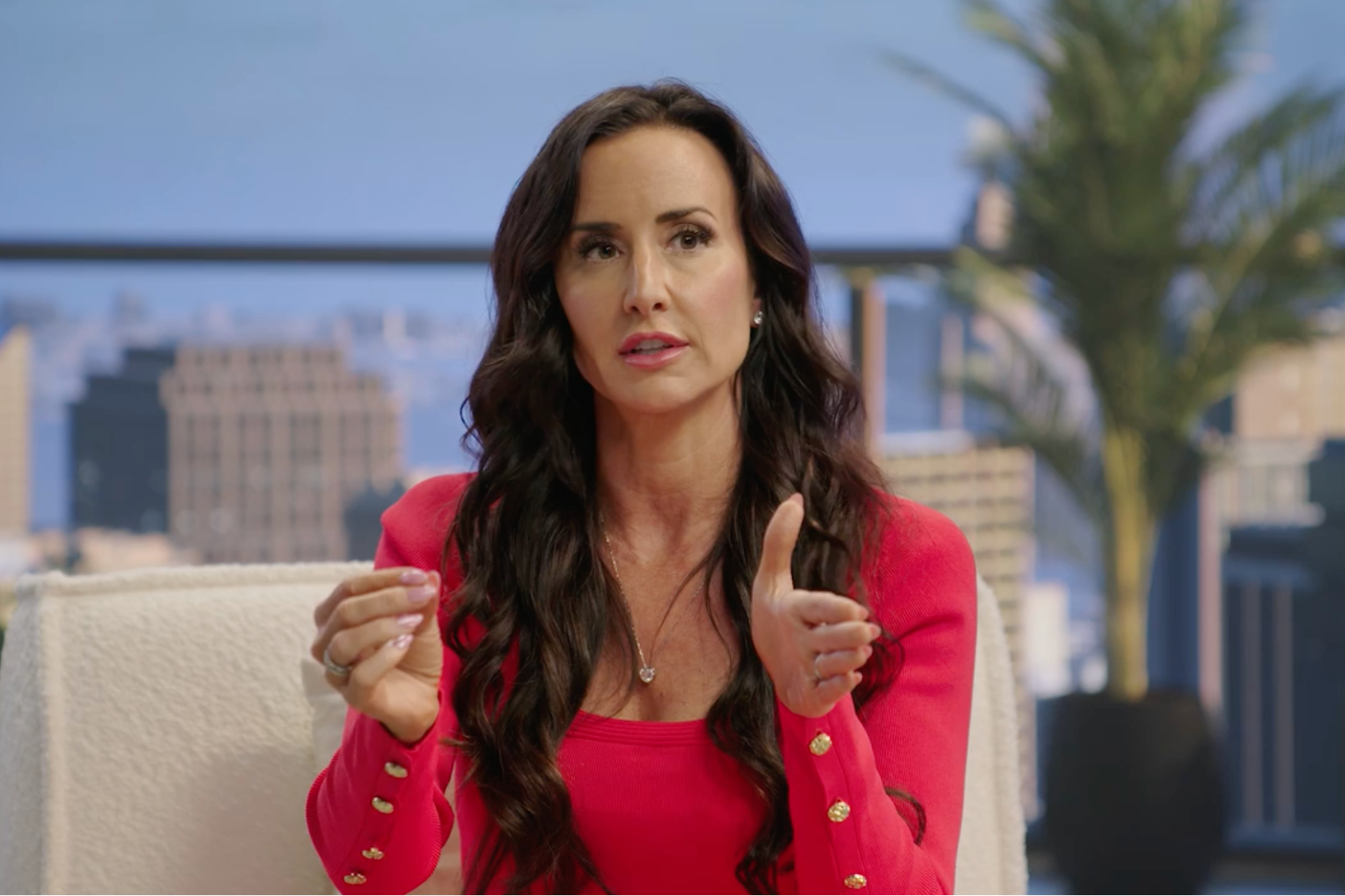

Amy Beckley, a scientist with a Ph.D., encountered issues with fertility and miscarriages due to insufficient progesterone levels. After struggling with conventional fertility tracking methods, she developed Proov, the first FDA-cleared home test that enables women to monitor their fertility hormones via a simple urine strip and a mobile app.
The product worked. Maybe a little too well. The typical customer only sticks around for two months.
“We produce highly effective products that assist couples in conceiving,” Amy shared with Dr. Drew Pinsky and Kim Perell on Entrepreneur Therapy, a program presented by Amazon Business. “Occasionally, our products work so well that couples conceive quickly, which is wonderful for them and for us as helpful individuals. However, it presents challenges for our business model.”
So, how does Amy ensure customer loyalty when her product’s success means it’s no longer needed? Dr. Drew advises broadening the service timeline beyond just fertility testing. “You’ll need a partner or an additional component so we can address these issues you’re identifying,” he suggests, alluding to the perimenopausal problems her clients might encounter, which could necessitate ongoing support through supplements, treatments, or other solutions.
Perell agrees with the direction, but suggests starting low and going slow. “Don’t try to do a lot of partnerships,” she says. “Focus on one to two that will have the most value for your business right now.”
Amy admits that customer retention isn’t her only challenge. She talks about her difficulty creating emotional boundaries as the founder of a small company with a deeply personal mission.
“When I was building the company,” she says, “my friends would tell me, ‘If this business fails, it’s because you’re too nice.’ I tend to trust people. I genuinely want to help them, and I give people a lot of chances. That can be really detrimental to the business.”
Dr. Drew relates. “I suffer from the same affliction,” he says. “You’re someone—like me—who experiences yourself through other people. So if we get a lot of negative stuff back, it really gets in. Perell calls this “the disease to please.”
Their solution? Setting emotional boundaries and reframing decisions in a way that centers on the business, rather than the individual. Perell encourages Amy to ask herself, Is this in the best interest of the company? “Sometimes that means making uncomfortable choices,” she warns.
But she has a solution for easing the blow when she has to say no. Blame the board. “It takes the pressure off the conversation,” she says. “You’re not saying no because you don’t care; you’re saying no because you have a bigger responsibility.”
It’s advice Amy clearly values. “That was amazing,” she says at the end of the session. “They had really, really good advice.”
Watch the episode to learn more about Amy’s challenges and the advice Dr. Drew and Perrell give to scale her business.
Entrepreneur Therapy is presented by Amazon Business. Smart business buying starts with Amazon Business. Learn more.