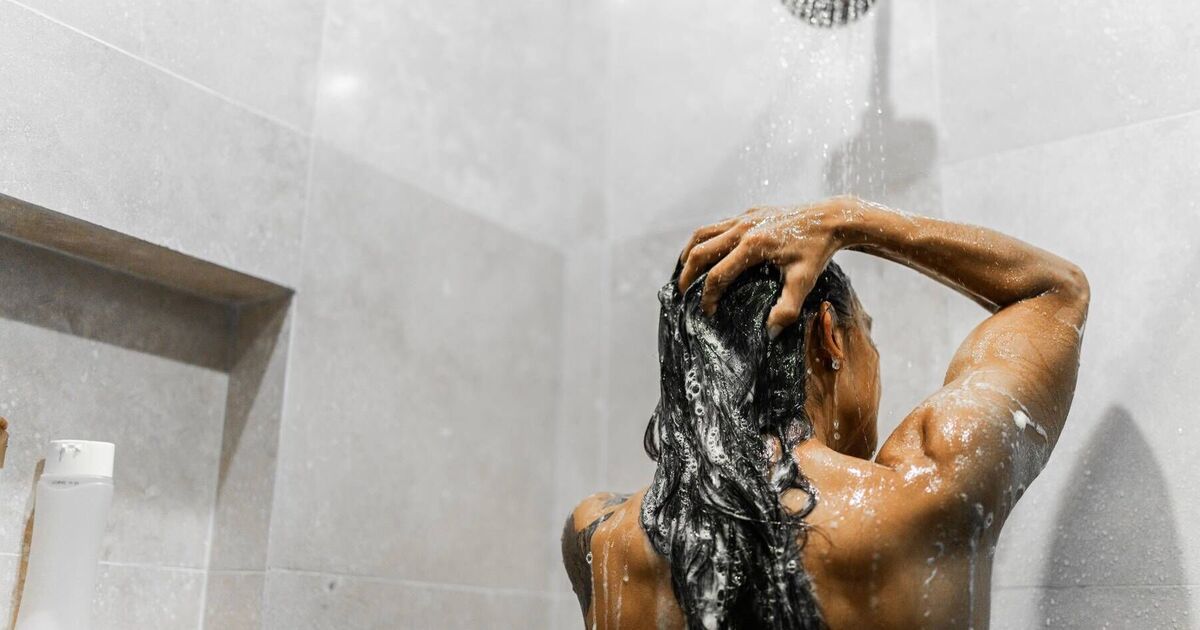

The age-old debate between morning and evening shower enthusiasts has sparked intense discussions, with each side fiercely defending their preferred timing.
Proponents of morning showers claim that starting the day with a refreshing wash helps shake off sleepiness and prepares them for the day ahead. On the other hand, evening shower advocates enjoy the ritual of washing away the stresses, dirt, and grime accumulated throughout the day.
But which approach is more hygienic? Science has finally weighed in on the matter.
The purpose of showering is straightforward: it removes dirt, oil, and sweat from the skin, thereby preventing rashes, infections, and body odour. According to Dr Primrose Freestone, a senior lecturer in clinical microbiology at the University of Leicester, sweat itself is odourless, reports the Manchester Evening News.
However, the bacteria on our skin, known as staphylococci, feed on sweat and release a pungent sulphur-containing compound that we recognise as body odour. Throughout the day, our skin accumulates sweat, while our hair and body collect pollutants, dust, and pollen. This is why many people prefer to shower at night, to ‘wash the day away’ and prevent these contaminants from reaching their bed sheets.
Conversely, morning shower enthusiasts prefer to wash away the bacteria that feeds on sweat throughout the night. Dr Freestone notes, “However, even if you’ve freshly showered before bed, you will still sweat during the night – whatever the temperature is. Your skin microbes will then eat the nutrients in that sweat. This means that by the morning, you’ll have both deposited microbes onto your bed sheets and you’ll probably also wake up with some BO.”
Is a morning or evening shower better? Dr Freestone made her stance clear: “As a microbiologist, I am a day shower advocate.”
Evening showers are limited by the cleanliness of your bed sheets, Dr Freestone says, and could even drive dust mites. She said: “What particularly negates the cleaning benefits of a night shower is if your bedding is not regularly laundered. The odour causing microbes present in your bed sheets may be transferred while you sleep onto your clean body.
“Showering at night also does not stop your skin cells being shed. This means they can potentially become the food source of house dust mites, whose waste can be allergenic.” However, morning showers can help remove dead skin cells, sweat and bacteria picked up from your bed sheets in the night, Dr Freestone explains. She adds: “This is especially important to do if your sheets weren’t freshly washed when you went to bed.
“A morning shower suggests your body will be cleaner of night-acquired skin microbes when putting on fresh clothes. You’ll also start the day with less sweat for odour-producing bacteria to feed on – which will probably help you smell fresher for longer during the day compared to someone who showered at night.”
Dr Freestone was quick to emphasise the significance of showering, stating it’s “important to stress that showering is an integral part of any good hygiene routine” no matter your personal choices.