
Tech mogul Elon Musk has sounded the alarm, suggesting that Australians might soon be on the brink of becoming an “endangered species,” as the country’s birth rate reaches a historic low. Musk, who is a father to 14 children with four different partners and boasts a net worth exceeding $800 billion, shared his concerns on social media. He retweeted a post highlighting Australia’s record-low birth rate of 1.48 children per woman, a figure that has been declining over the decades. For a population to sustain itself, a birth rate of 2.1 is generally required. Musk expressed his concern on the platform X, stating, “Australians are becoming an endangered species.”
Unaffordable and unsafe

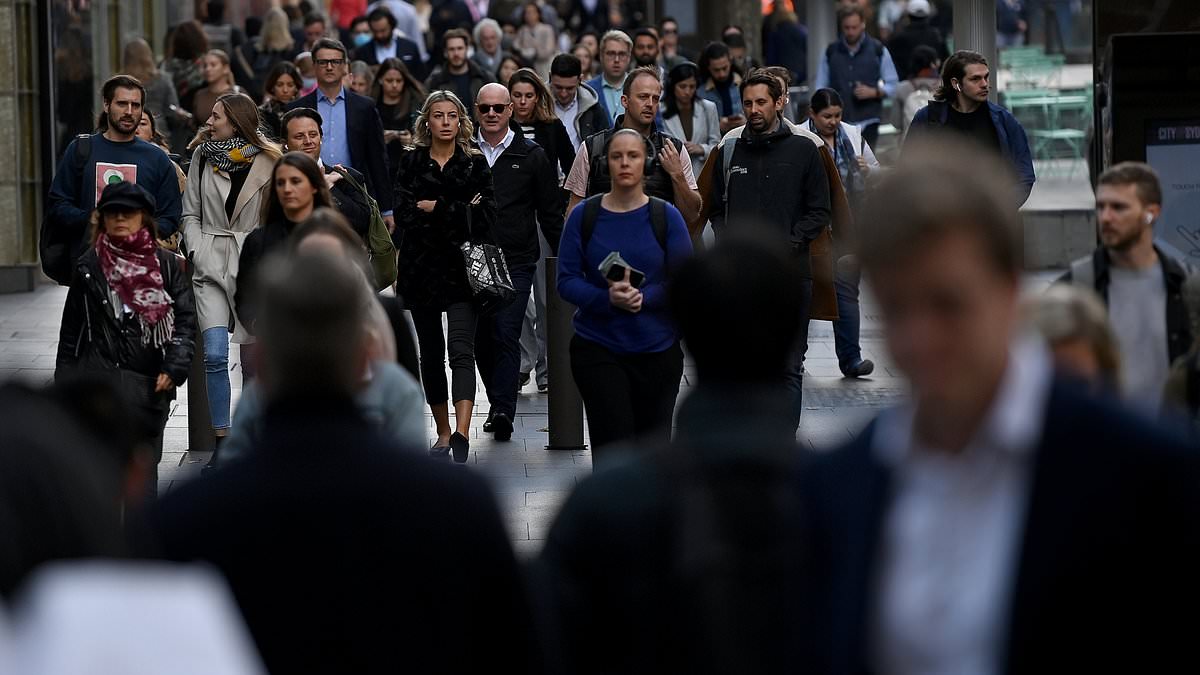
However, Musk’s comments were met with swift responses from Australians on X, many pointing out their financial struggles as a barrier to having more than two children. One user criticized Musk’s remarks, accusing him of contributing to the economic conditions that discourage larger families. Another user noted that young Australians face a challenging mix of financial burdens, including high living costs and expensive childcare, making parenthood a daunting prospect. A third voice argued that government policies are making it increasingly difficult and unsafe to raise children in the country.
Can’t afford children or houses

Additional responses highlighted the challenges faced by the middle class, who feel squeezed by economic pressures. “The wealthy can afford families, and those on welfare can too, but the middle class is stuck footing the bill,” one commenter lamented. Another echoed the sentiment, citing unaffordable housing and a strained economy as significant barriers. Some Aussies pointed fingers at the Albanese government’s immigration policies, blaming them for escalating living costs and diminishing their ability to support a family. “Mass immigration is driving up costs, leaving homeownership out of reach,” one person commented. Musk has long been vocal about the declining birth rates in Western nations, not just in Australia.

The billionaire and other concerned experts fear society will be left with ‘more grandparents than grandchildren’ and face a myriad of challenges, including not enough young people to work, pay tax and look after the ageing population. In 2017, the Tesla CEO warned the number of people on Earth was ‘accelerating towards collapse but few seem to notice or care’. In 2021, Musk warned that civilisation is ‘going to crumble’ if people don’t procreate, and said Japan could ‘flat-out disappear’ if a population downturn continued. He similarly warned Italy ‘will have no people’ if its low birth rate continued. Now he’s saying the same about Australia, where soaring living and property costs are hampering many residents’ desire to have large families. Housing, grocery and childcare prices were already steep, but the war in the Middle East has driven costs even higher, fuel being the most notable example.

Low fertility rates are now the norm outside sub-Saharan Africa, particularly in parts of Europe and East Asia. The birth rate in South Korea is now just 0.7 births per woman, while Japan has a famously low rate of around 1.3. One local government in Kochi, Japan, has even resorted to paying people to date. They are offering up to $125 to residents aged 20–39 to use certified dating apps. Some nations have even taken to paying new parents for having children in a bid to increase the birth rate. Sparsely populated regions in Finland dish out 10,000 euros (£8,500) to couples over 10 years per child.