
After Aretha Franklin’s death in 2018, her family believed the Queen of Soul had died without a will — a startling possibility given the enormous value of her music catalog, ongoing royalties, real estate, personal belongings, and other assets.
That assumption changed when Franklin’s niece began combing through the singer’s home in the Detroit area.
In a locked cabinet, she found handwritten papers dated 2010. A separate document from 2014 later turned up tucked beneath couch cushions. The pages included crossed-out sections, hard-to-decipher directions, and competing instructions involving Franklin’s four sons.
A Michigan jury ultimately determined that the four-page 2014 document was Franklin’s legal will. But the ruling came only after a five-year probate battle that divided members of her family and sent several of her sons into court.
Franklin’s estate dispute ended in an unusual way: She had, in fact, written a will, even though she never gave it to a lawyer, filed it formally, or kept it in a secure and obvious place. Other world-famous, high-net-worth celebrities were not so fortunate — they left no valid will behind at all.
Here are 11 major stars whose families, attorneys, business associates, and the courts were left to sort out their fortunes after they died without a valid will.
Chris Graythen/Getty Images
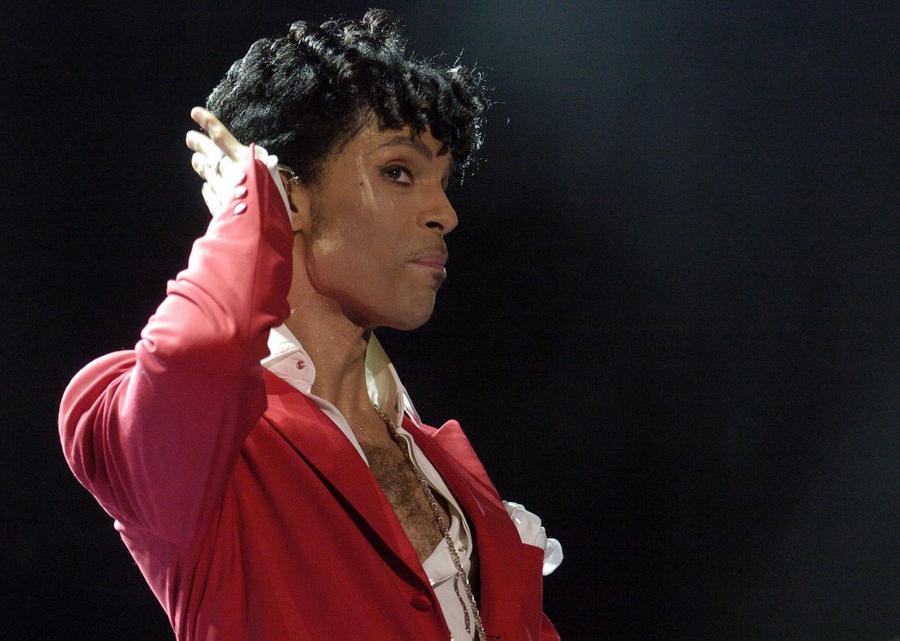
Prince
When Prince died of an accidental fentanyl overdose in April 2016, he left behind no spouse, no surviving children, and no will.
What he did have was an extraordinary collection of assets. Prince owned Paisley Park, several other Minnesota properties, his record label, songwriting copyrights, master recordings, name and likeness rights, concert footage, and a legendary vault containing hundreds of unreleased songs.
The first problem was determining who inherited everything. Six of Prince’s siblings and half-siblings were eventually recognized as heirs. The next problem was deciding what the estate was worth.
The estate’s administrator originally valued Prince’s assets at $82.3 million. The IRS argued that the correct figure was more than $160 million and demanded tens of millions of dollars in additional taxes and penalties. The two sides eventually agreed on a valuation of $156.4 million.
The estate took nearly six years to settle. Two of Prince’s sibling heirs died before the process was completed, while others sold their interests to music company Primary Wave. The rights to Prince’s work ultimately ended up divided between Primary Wave and a group representing several family heirs.
A valid will would not have eliminated the difficult valuation and tax questions, but it could have allowed Prince to choose who controlled his music, how the unreleased material would be handled, and whether his catalog would remain under unified ownership.
Amy Winehouse
Amy Winehouse was only 27 when she died from alcohol poisoning in 2011. At that age, failing to prepare a will is more understandable than it is for an elderly multimillionaire.
Winehouse left gross assets worth approximately £4.26 million. After debts and taxes, her net estate was valued at roughly £2.94 million, equal to about $4.7 million at the time.
Because Winehouse was unmarried and had no children, British intestacy law directed the estate to her parents, Mitch and Janis Winehouse. Her ex-husband, Blake Fielder-Civil, received nothing.
That may have been close to what Winehouse would have wanted, but the law made the decision for her. She also lost the opportunity to provide instructions for her personal belongings, intellectual property, unreleased recordings, and the commercial use of her image.
The estate continued earning money after her death through album sales, royalties, licensing deals, documentaries, and auctions of her clothing and memorabilia. Her parents also established the Amy Winehouse Foundation, which supports young people dealing with addiction and other challenges.
Kurt Cobain
Kurt Cobain died without a will in 1994, leaving behind his wife, Courtney Love, and their daughter, Frances Bean Cobain, who was not yet two years old.
Under Washington’s intestacy laws, Love and Frances became the principal beneficiaries. But Cobain’s estate was not simply a collection of bank accounts and physical possessions. It included Nirvana royalties, publishing interests, recordings, photographs, personal journals, and the valuable commercial rights attached to his name and image.
Those assets became the subject of years of disagreements involving Love, Cobain’s relatives, Nirvana’s surviving members, record companies, and other parties.
Frances received a substantial share of her inheritance after turning 18 and eventually gained control of her father’s publicity rights. Those rights allow her to influence how Cobain’s name, image, and likeness are used commercially.
Cobain frequently expressed discomfort with celebrity culture and the commercialization of art. A detailed will or trust could have established clear rules governing the use of his image and music. Instead, those decisions were left to people trying to interpret what he might have wanted.
Tupac Shakur
Tupac Shakur was 25 when he was murdered in 1996. Despite selling millions of albums and becoming one of the most famous rappers in the world, he died without a will and with surprisingly few conventional assets.
Tupac owned no real estate, stocks, or retirement accounts. His primary assets included two cars, a checking account containing approximately $105,000, and a modest life insurance policy. Death Row Records claimed that Tupac owed the company $4.9 million for advances and expenses.
Because Tupac had no will, his mother, Afeni Shakur, took control of the estate. She challenged Death Row’s accounting, accused the label of withholding royalties, and negotiated a settlement involving millions of dollars in payments, debt forgiveness, and a higher royalty rate.
Afeni then transformed a seemingly insolvent estate into a valuable entertainment business. Through Amaru Entertainment, the estate released posthumous albums, licensed Tupac’s music and image, and preserved an enormous archive of recordings, poetry, notebooks, and other material.
Tupac’s story is unusual because the absence of a will did not prevent his mother from becoming an effective steward. But that outcome depended heavily on Afeni’s determination and business judgment. Tupac himself left no legal instructions giving her that authority.
AFP/Getty Images
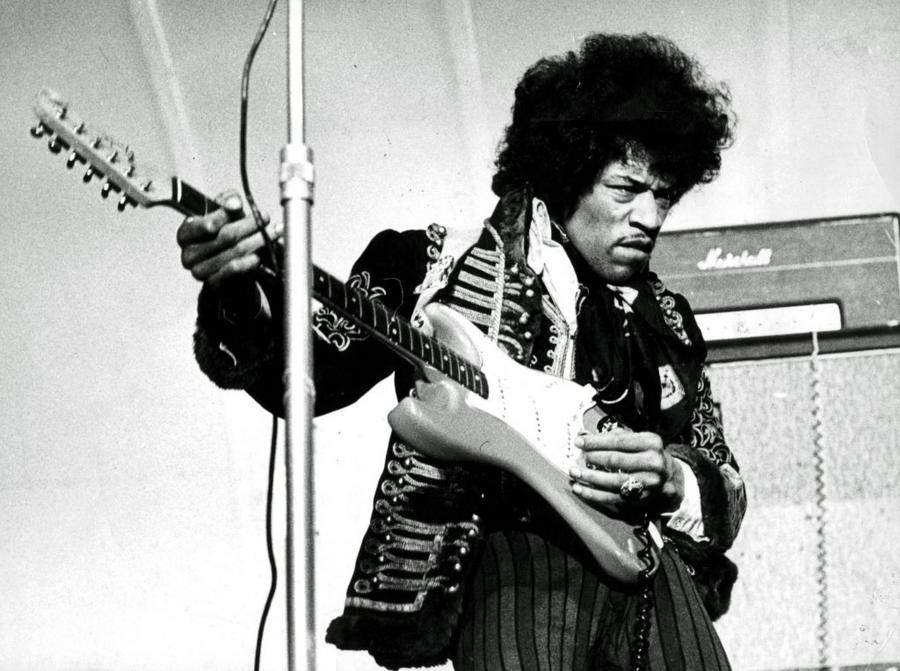
Jimi Hendrix
Jimi Hendrix died in 1970 at the age of 27 without a will. He was unmarried, and his father, Al Hendrix, inherited the estate.
At the time, the estate was not the $100 million-plus empire it would later become. Hendrix had relatively little cash, owed taxes and other debts, and had spent only a few years as an international recording star.
The real value was in the future.
Hendrix left behind master recordings, publishing rights, unreleased material, photographs, merchandise opportunities, and one of the most commercially valuable names in rock history. Control of those assets became the subject of legal battles stretching across decades.
Al Hendrix initially allowed attorneys and business managers to handle the rights. He later accused one of those advisers of conflicts of interest and fought to regain control. After Al’s death, further disputes erupted between members of the Hendrix family, including Jimi’s adopted stepsister Janie and his brother Leon.
Jimi could have used a will to divide his assets, appoint a trusted executor, provide for relatives, and determine how his music would be managed. Instead, the fate of his legacy was decided by intestacy law and years of litigation among people who disagreed over what he would have wanted.
Bob Marley
Bob Marley died from cancer in 1981 at the age of 36. He reportedly declined to write a will because his Rastafarian faith discouraged acknowledging death in that manner.
That decision subjected his estate to Jamaican intestacy law.
Marley left behind his wife, Rita, and 11 legally recognized children. He also left one of the most commercially powerful catalogs in music, along with rights connected to his name, image, merchandise, and recordings.
The estate quickly became engulfed in conflict. At one point, Rita and several advisers were accused of forging documents designed to transfer assets away from the estate. The resulting litigation consumed years and millions of dollars.
Control was eventually placed with Island Records founder Chris Blackwell, who managed the estate through a company called Island Logic. Full control later passed back to the Marley family.
Bob Marley’s estate now generates tens of millions of dollars annually through royalties, licensing, merchandise, cannabis products, beverages, hotels, and other ventures. Yet the family spent years fighting over a fortune Marley could have organized during his lifetime with a relatively straightforward estate plan.
Sonny Bono
Sonny Bono died in a skiing accident in 1998. He left behind an estate worth several million dollars, a wife, four children from three relationships, music royalties, business interests, and no will.
His widow, Mary Bono, was appointed to administer the estate. She also succeeded him in Congress, winning the special election held to fill his seat.
The probate process attracted several claims. Cher, Sonny’s former wife and musical partner, sued the estate for approximately $1.6 million in unpaid divorce-related obligations. A man also came forward claiming to be Sonny’s previously unrecognized son, although he later withdrew his claim when asked to submit to DNA testing.
Sonny’s circumstances demonstrate why blended families especially need estate planning. He had children from prior relationships, a current spouse, an ex-wife with continuing financial claims, music rights, and political and business interests.
Without written instructions, California law and the probate court were left to sort through all of it.
Marvin Gaye
Marvin Gaye died without a will after being shot by his father in 1984. Unlike many of the stars on this list, Gaye did not leave behind a positive net worth.
He was approximately $9 million in debt, including millions owed to the IRS. He had sold or assigned portions of his royalty rights in an effort to satisfy obligations, although he retained valuable publishing interests.
Because Gaye died intestate, his 17-year-old son, Marvin III, became a co-administrator of the estate. For years, much of the income generated by Gaye’s music went toward taxes and other debts.
Eventually, the continuing popularity of songs such as “What’s Going On,” “Sexual Healing,” “Let’s Get It On,” and “I Heard It Through the Grapevine” allowed the estate to pay off its obligations. What looked like a financial disaster at the time of Gaye’s death became a valuable royalty-producing estate.
That reversal illustrates an important point: Someone does not need to be cash-rich to need a will. Copyrights, future royalties, image rights, legal claims, and other intellectual property can eventually become more valuable than anything sitting in a bank account.
John Denver
John Denver died in a plane crash in 1997, leaving an estate worth an estimated $60 million and no valid will.
Denver was divorced and had three children. Under California intestacy law, his children inherited his estate. He had also reportedly established trusts benefiting several close family members, which meant he had done more planning than many of the people on this list.
But he never completed the basic document that would have tied those plans together and specified how his remaining property should be distributed.
The estate included homes, investments, personal property, song copyrights, and royalty rights connected to an enormously successful catalog that included “Take Me Home, Country Roads,” “Rocky Mountain High,” and “Annie’s Song.”
A will could also have allowed Denver to leave money to environmental and humanitarian causes he supported throughout his life. Instead, the law restricted distribution to his legal heirs.
Hulton Archive/Getty Images
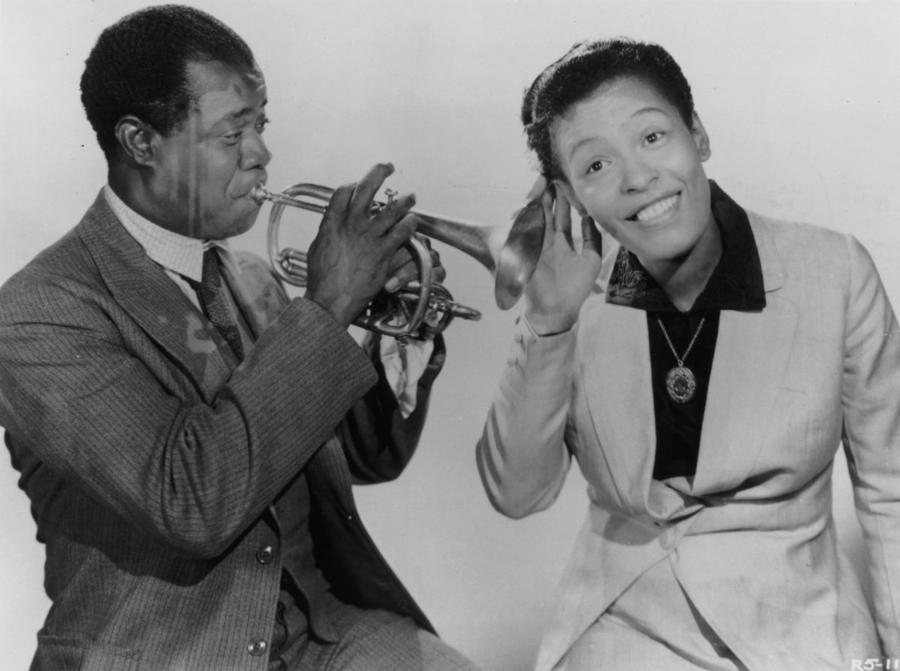
Billie Holiday
When Billie Holiday died in 1959, she reportedly had just 70 cents in the bank and approximately $750 in cash strapped to her leg.
She also had no will.
Holiday was separated from her husband, Louis McKay, but they were still legally married. As a result, McKay inherited her estate, including the royalty and intellectual property interests that remained valuable long after the cash was gone.
Holiday had endured years of exploitation, addiction, arrests, and abusive relationships. Her recordings and image would continue generating money for decades, but she left no instructions directing that future income to friends, relatives, charities, or anyone else she might have chosen.
Her case is perhaps the clearest example of why a person’s estate should not be measured solely by the amount of money available on the day of death. Holiday appeared to die nearly penniless. Her cultural legacy was priceless, and the rights connected to it remained commercially valuable.
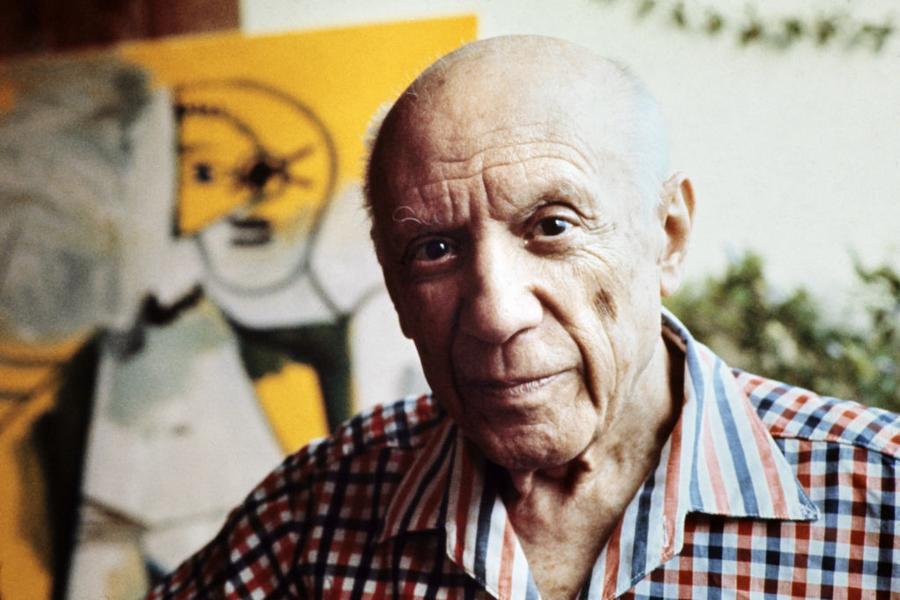
RALPH GATTI/AFP via Getty Images
Pablo Picasso
Pablo Picasso may have left the most complicated intestate estate of any famous person in modern history.
When Picasso died in 1973, his properties contained approximately 45,000 works of art, including 1,885 paintings, 1,228 sculptures, more than 7,000 drawings, approximately 30,000 prints, thousands of ceramics, and 150 sketchbooks.
He also owned five homes, millions of dollars in cash and gold, stocks, bonds, works by other artists, copyrights, and valuable rights connected to his name and image.
But he left no will.
Picasso had four children with three women, only one of whom had been married to him at the time of the child’s birth. Establishing the legal heirs and dividing tens of thousands of artworks required more than 50 lawyers, appraisers, cataloguers, officials, and other specialists.
The process took six years and reportedly cost approximately $30 million.
France ultimately accepted hundreds of major Picasso works in place of inheritance taxes. Those pieces became the foundation of the Musée Picasso in Paris. The remaining artwork and intellectual property made Picasso’s descendants extremely wealthy, but disagreements over licensing, authentication, sales, and control of his legacy continued long after the original estate was divided.
Avoiding The Same Mistake
A will does not need to be elaborate, and it does not require a person to be elderly, sick, or extraordinarily wealthy. At its most basic, a will answers a few essential questions:
Who receives the property? Who manages the estate? Who cares for minor children? Who controls copyrights, businesses, and other ongoing assets? What happens to personal possessions that may have emotional rather than financial value?
Without those instructions, state or national law supplies its own answers.
Sometimes the result resembles what the deceased person probably would have chosen. Amy Winehouse’s parents may have inherited her estate even if she had prepared a will. Tupac Shakur may have chosen his mother to control his legacy. John Denver would almost certainly have provided for his children.
But “probably” is not much comfort when millions of dollars, irreplaceable art, unreleased music, family relationships, and a person’s legacy are at stake.
Prince spent his career fighting for control of his music. Picasso closely guarded his art. Kurt Cobain distrusted commercialization. Bob Marley built a message around family, spirituality, and unity.
Yet none of them left a legally binding document explaining what should happen after they were gone.
(function() {
var _fbq = window._fbq || (window._fbq = []);
if (!_fbq.loaded) {
var fbds = document.createElement(‘script’);
fbds.async = true;
fbds.src = ”
var s = document.getElementsByTagName(‘script’)[0];
s.parentNode.insertBefore(fbds, s);
_fbq.loaded = true;
}
_fbq.push([‘addPixelId’, ‘1471602713096627’]);
})();
window._fbq = window._fbq || [];
window._fbq.push([‘track’, ‘PixelInitialized’, {}]);


