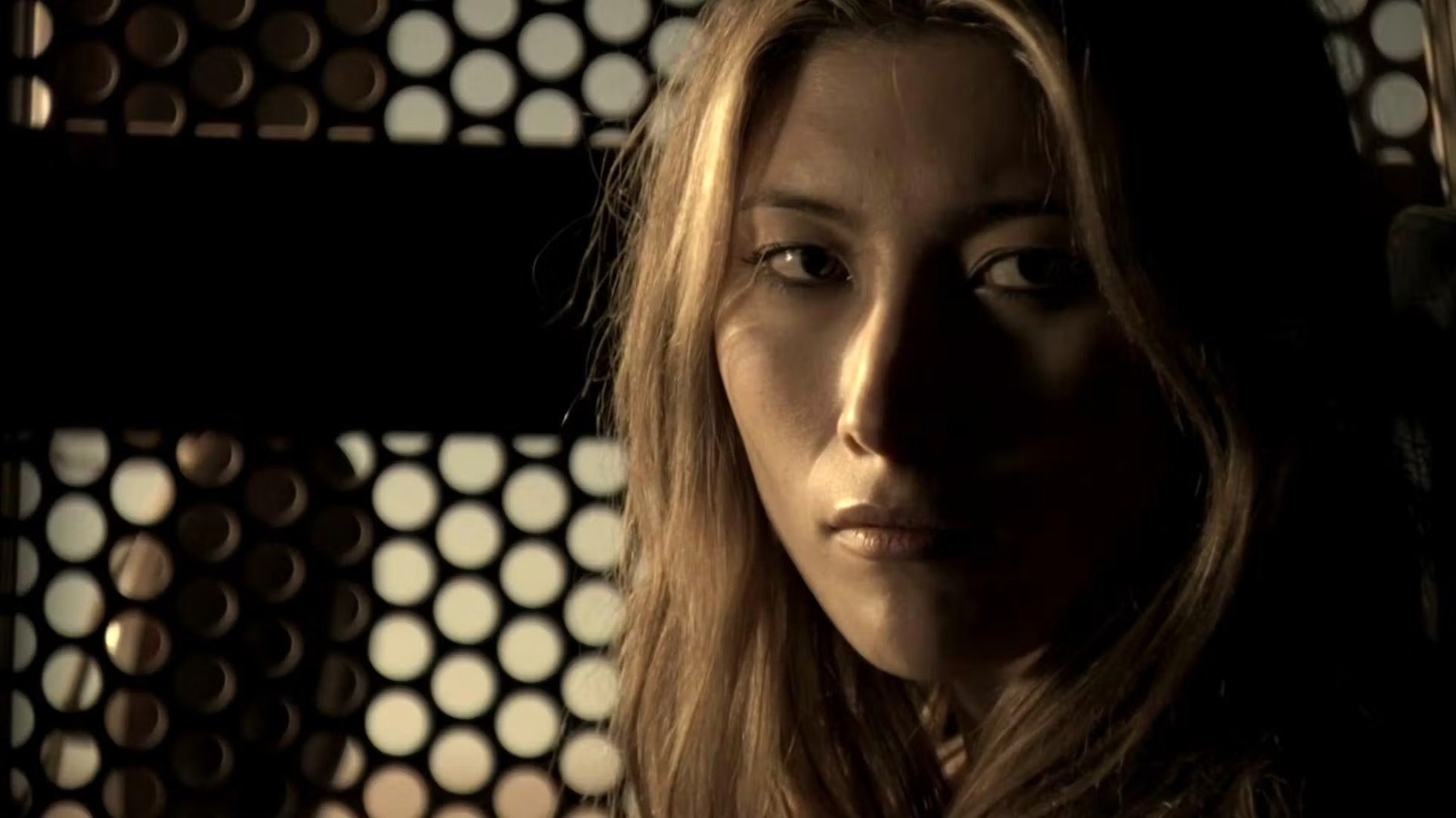


Shows such as “Lost,” “Fringe,” and the revived “Doctor Who” helped make the 2000s a defining period for science-fiction television. Every decade produces genre hits — from “Lost in Space” to “The X-Files” — that leave a lasting mark on the small screen, but the first decade of the 21st century was especially productive. Several influential series premiered during those years and continued shaping television long after their debuts. The number of “Lost” imitators still appearing in the mid-2010s is proof of just how powerful that influence became.
Not every sci-fi series from the era enjoyed the same success. Alongside the ratings juggernauts and shows with devoted fan communities were projects that failed to meet expectations — and, in some cases, have only become more awkward with age. These five 2000s science-fiction shows have struggled to remain relevant for very different reasons. Some relied on technology that quickly became laughably outdated, while others were later overshadowed by troubling associations with their creators.
There are countless ways a television series can lose its impact over time. Even in a decade that delivered acclaimed hits such as “Battlestar Galactica” and “Heroes,” the weaknesses of these particular sci-fi shows have become increasingly difficult to overlook. Their dated concepts, limited ambition, or unfortunate cultural baggage have all contributed to their diminished reputations.
Mutant X
When viewers discuss the best and worst Marvel TV shows, they usually mean the productions released after 2010 on services such as Netflix and Disney+. Series like “Daredevil,” “Agents of S.H.I.E.L.D.,” and “Secret Invasion” dominate the conversation, but live-action Marvel adaptations existed long before those titles. Bill Bixby’s “The Incredible Hulk” remains a notable example, while Nicholas Hammond led two seasons of CBS’s “The Amazing Spider-Man.” Then there is “Mutant X,” a mostly forgotten series inspired by X-Men mythology that ran for three seasons beginning in 2001.
“Mutant X” was not an early spin-off of Fox’s “X-Men” films. Instead, it was a separate production with no mutant characters drawn directly from the comics. The story follows geneticist Adam Kane (John Shea) and four people who acquire extraordinary powers through scientific experimentation rather than natural evolution. Hunted by the government, the group goes on the run. Compared with later Marvel productions such as “Legion,” the frequently inexpensive-looking “Mutant X” now feels unmistakably dated.
The show’s lack of recognizable comic-book characters also highlights the legal limitations surrounding its production. In the years since “Mutant X,” Marvel television has embraced even its most obscure creations; “M.O.D.O.K.,” for example, found room for Hexus, the Living Corporation. Against that backdrop, “Mutant X” feels like a curious relic from an era when Marvel adaptations had far fewer options at their disposal. It is little wonder the series rarely enters discussions about the franchise’s television history.
Birds of Prey
In 2001, The WB found a major hit with “Smallville,” its series based on a DC Comics character from the network’s corporate sibling. The show’s success helped transform superhero television and established The WB — which later merged with UPN to form The CW — as a destination for DC adaptations. One year later, however, the network tried another comic-book venture with far less success. “Birds of Prey” premiered in 2002 and followed Helena Kyle, also known as the Huntress (Ashley Scott); Barbara Gordon, known as Batgirl and Oracle (Dina Meyer); and Dinah Lance (Rachel Skarsten) in New Gotham City, years after Batman had apparently vanished.
While many live-action Batman stories favor a grounded tone, “Birds of Prey” leaned into metahumans and the more heightened, science-fiction elements of the DC universe. Reviews were generally unfavorable, with critics often pointing to the show’s thin characterization. The series lasted just one season, and later, stronger DC television productions made it even easier to overlook. Cathy Yan’s colorful and chaotic 2020 film, also titled “Birds of Prey,” further pushed the earlier series into the background.
It is difficult to return to the muted, dimly lit world of the television series when a louder and more vibrant version of the same comic-book material is readily available. “Birds of Prey” had already seemed old-fashioned beside “Smallville” during the early 2000s; with the passage of time, its shortcomings have become even more pronounced.
Level 9
Building a pop-culture story around cutting-edge technology is always a gamble. Innovations that seem futuristic at the time can look ridiculous only a few years later. That made UPN’s “Level 9” a risky proposition from the beginning. Created by Michael Connelly, Josh Meyer, and John Sacret Young, the 2000 series followed a colorful team working for a government agency tasked with stopping cyber-based threats. Whenever a terrorist operated through the internet, the Level 9 team was called in to track them down.
The episode titles — including “Wetware” and “Ten Little Hackers” — capture the show’s determination to sound current for audiences discovering cyberspace in the early 2000s. Unfortunately, the series offered little beyond its surface-level internet terminology. It lacked the memorable characters and intricate plots that sustain a good drama, and that weakness helped lead to its cancellation after only 10 episodes. For viewers encountering it decades later, the dated technology jargon can overwhelm whatever appeal the premise once had.
Modern audiences will find little to counterbalance the show’s obsolete language and clumsy vision of the online world. “Level 9” now plays less like an engaging drama than an unusually tedious time capsule. Its fate illustrates the danger of building a series around new technology without giving viewers a stronger story to carry into the future.
Freedom
Few pieces of entertainment became more immediately dated by the events of 9/11 than “Freedom.” The UPN drama, which aired from October through December 2000, imagined the United States falling under military control after the president was presumed dead. Its story follows former Navy and Army personnel who join forces to restore the country. The series performed poorly and was removed from the schedule before completing its season, and the terrorist attacks less than a year later made its premise feel even more out of step with the national mood.
“Freedom” presents a dystopian America in which people with military backgrounds must work together to return the nation to normal. Its restrained vision of a future nightmare is closer in tone to “Fahrenheit 451” than “Avatar.” After 9/11, military thrillers such as “24” increasingly focused on threats originating outside the United States rather than a coup from within. That shift made “Freedom” seem particularly dated, while the show’s obvious budget limitations further weakened its impact.
Had “Freedom” arrived only a year later, its story and tone would likely have looked dramatically different from the brief version that aired on UPN. That abrupt collision with history gives the series a strange distinction: it is not merely an outdated television show, but a snapshot of how quickly the cultural landscape can change.
Dollhouse
After Fox canceled Joss Whedon’s “Firefly” following one season, the network gave the “Buffy the Vampire Slayer” creator another opportunity to develop a science-fiction series. The result was “Dollhouse,” which aired from 2009 to 2010. The show centers on Actives, people employed by a powerful corporation that repeatedly erases and replaces their personalities. Clients can then hire them for specialized assignments, effectively turning the characters into blank slates with constantly changing identities. Echo (Eliza Dushku) serves as the central figure in an ensemble that also includes Enver Gjokaj, Dichen Lachman, Harry Lennix, and Fran Kranz.
“Dollhouse” developed a loyal following, but its treatment of sexual autonomy and its female characters was troubling even during its original run. Critics and viewers were already raising concerns as the final episodes aired in 2010. In the years that followed, numerous women who worked with Whedon accused him of abusive or inappropriate behavior. Those allegations, and the broader controversy surrounding his conduct, have made the show’s repeated depictions of women being controlled and stripped of their agency far more difficult to watch.
“Dollhouse” did not produce enough episodes to secure a long television life, and its lasting reputation has been further complicated by its connection to its creator. For many viewers today, the series is remembered less for its science-fiction ideas than for the uneasy shadow cast by Whedon’s later controversies.


