
Marvel
Contains spoilers for “X-Men ’97” Season 2, Episode 4 — “Rise of Apocalypse – Part II”
“X-Men ’97” has never been shy about delivering emotional gut punches, and its latest chapter proves the series can rival even the most brutal twists from “Game of Thrones.” In Season 2, Episode 4 — the second installment of “Rise of Apocalypse” — the animated revival may have delivered a loss even more devastating than Gambit’s heartbreaking death in Season 1. This time, it is Magneto, Professor Charles Xavier’s longtime rival and uneasy ally, who appears to meet his end.
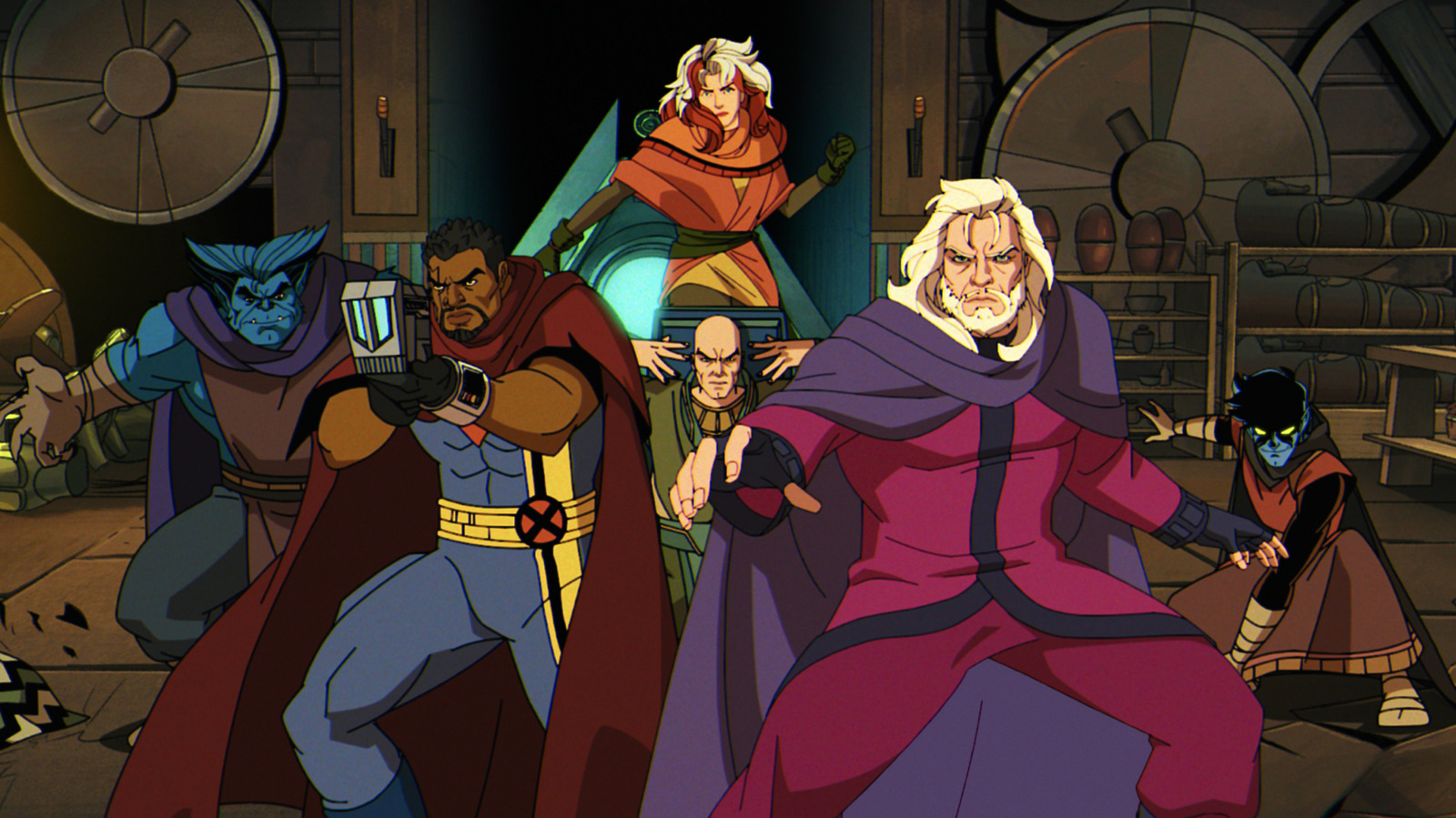
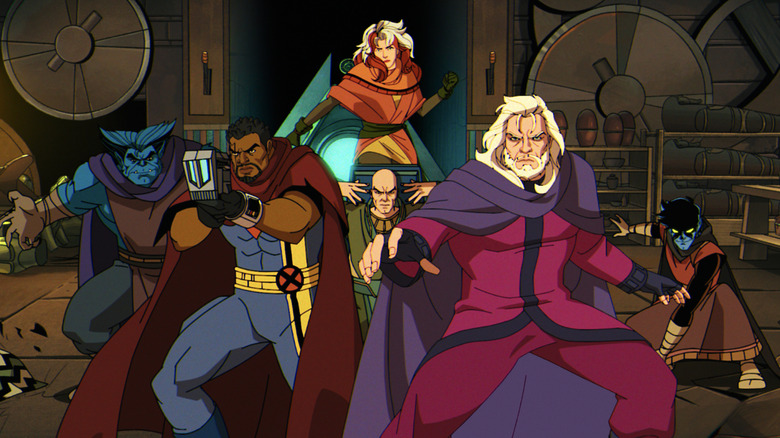
As the X-Men remain scattered across different points in time, each group tries to prevent Apocalypse’s rise in its own way. In Ancient Egypt, Professor X and Magneto lead an effort to stop En Sabah Nur before he can become the fearsome mutant tyrant known as Apocalypse. But their mission collapses, as history seems determined to push En Sabah Nur toward his dark destiny.
Once Apocalypse emerges, he sets his sights on destroying the city. Magneto responds by using his powers to protect the innocent, holding back catastrophe long enough to save countless lives. The effort leaves him drained and vulnerable, giving Apocalypse the opening he needs to strike him down in the desert. The scene is especially painful because Xavier can do nothing but watch, devastated, as his old friend is killed before his eyes.
Don’t count Magneto out just yet
Of course, in the world of comic books, death is rarely final. Characters disappear, return and are reinvented all the time. Morph, for example, famously appears to die in the first season of “X-Men: The Animated Series,” only to resurface later. Magneto’s fate in “Rise of Apocalypse — Part II” certainly looks more definitive, but the mechanics of this storyline leave room for the possibility that his death could eventually be reversed.
In “X-Men ’97,” the team’s battle against Apocalypse has already stretched across the timeline, which means time travel remains a major factor. In theory, the X-Men could return to the moments before Magneto’s death and try to alter what happened. The franchise has explored similar territory before, most famously in “Days of Future Past,” where Bishop travels into the past to prevent a catastrophic event. Even if the broader message here suggests that fate is difficult — if not impossible — to escape, specific outcomes have been changed before.
Still, there is an argument that Magneto’s story should end here. After years of shifting between enemy, ally, villain and hero, his final act is one of sacrifice: risking everything to save a city full of people. As a culmination of his long and complicated journey, it gives him a powerful measure of redemption. If this truly is the end for Magneto, it is difficult to imagine a more fitting conclusion.


