
Share this @internewscast.com
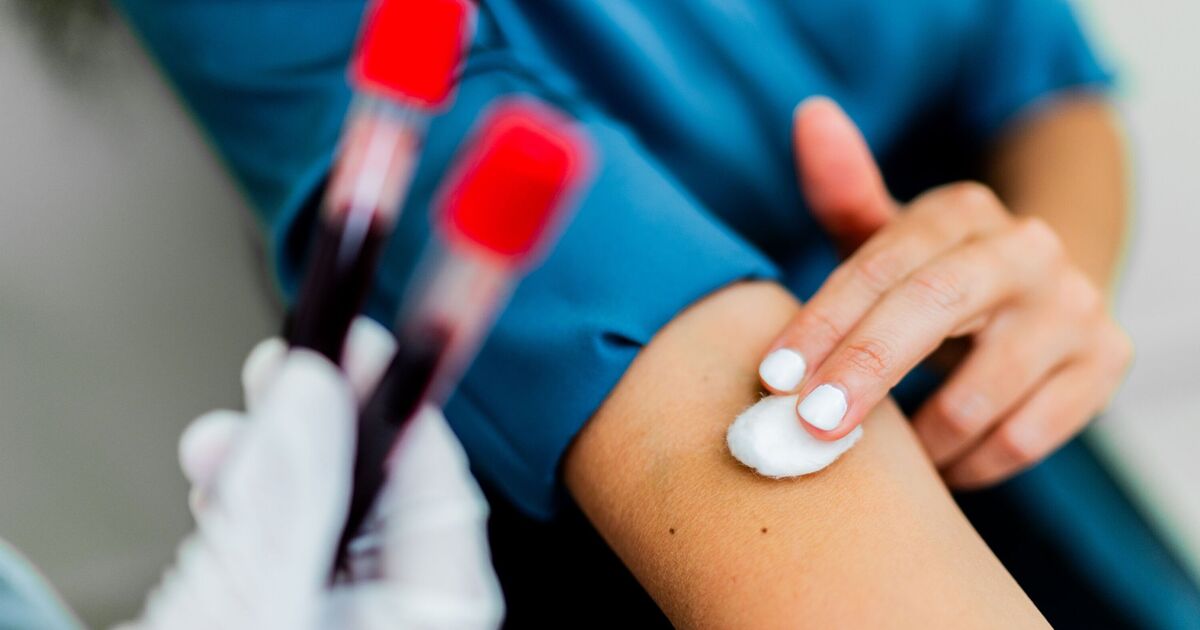
Currently, there is an urgent call for blood donations, as healthcare professionals urge eligible individuals to donate.
This critical appeal arises from the need to sustain sufficient supplies of specific blood types to fulfill routine patient care and handle emergencies effectively.
Blood.co.uk reports that “certain blood types are more frequently requested by hospitals. For instance, while only about 8% of the population has O-negative blood, it accounts for 13% of hospital requests.”
The organization highlights that O-negative blood is considered a universal donor type, making it crucial for immediate emergency use. Due to this high demand, maintaining stock levels requires constant vigilance.
“Occasionally, we must specifically target certain blood types to bolster our inventory. This is why we sometimes reach out to regular donors of those particular types, asking them to donate,” the organization noted.
8 blood types and who you can help
- O positive – your red blood cells can potentially help an O positive, A positive, B positive or AB positive patients
- O negative – your red blood cells can potentially help patients with any blood type
- A positive – your red blood cells can potentially help an A positive or AB positive patients
- A negative – your red blood cells can potentially help an A positive, A negative, AB positive or AB negative patients
- B positive – your red blood cells can potentially help a B positive or AB positive patients
- B negative – your red blood cells can potentially help a B positive, B negative, AB positive or AB negative patients
- AB positive – your red blood cells can potentially help an AB positive patients
- AB negative – your red blood cells can potentially help an AB positive or AB negative
Which blood types are rare?
Experts clarify: “A rare blood type is one that is both necessary for patient care and difficult to locate within the general population.”
One of these is the Ro subtype. “Only 2% of regular blood donors in England have the Ro subtype.”
Explaining Ro blood, the experts stress: “The Ro subtype is extremely rare and helps people living with sickle cell to enjoy more normal lives. The closer the match between a donor and patient, the better the transfusion outcome.
- Only 3% of regular donors have Ro
- 47% of Black heritage donors have Ro
- Demand is increasing each year
“Without enough Ro donors, patients may receive blood that is less well-matched, this increases the risk of complications.” You can read the very useful ‘Ro subtype explained’ page here for detailed information on what it means.
How to find out your blood type and if you can donate?
Typically, your blood type or subtype isn’t revealed until you donate blood for the first time. Once you’ve registered to donate and made your initial donation, your blood type will be disclosed.
If you haven’t yet taken this step, you can verify your eligibility to donate here .