
The UK’s higher than average temperatures and mini-heatwave in recent days will have sent many to bask on one of Britain’s beaches. While many enjoy the warmer, sunnier weather, it also comes with the usual warnings about applying suncream and keeping yourself hydrated whether at home or abroad.
This is especially important for babies and children, who are at greater risk of becoming dehydrated. That’s according to Dr Catherine Hyatt from the online pharmacy, Med Express. She told HuffPost UK: “Spotting dehydration in a child on holiday requires careful observation of various symptoms and signs.
“Babies and children are more at risk of dehydration, so it is even more important to look out for this and act quickly if you’re worried.”
The doctor listed seven signs that parents will want to be mindful of to protect their youngsters from dehydration.
An early sign of dehydration is feeling thirstier. Dryness on the lips and inside the mouth is a second indicator.
Another symptom Dr Hyatt warns of is a change in a child’s behaviour. If a child becomes more irritable or lethargic, this too can be a sign of dehydration.
Sunken eyes and fontanelles – the soft spot between the bones of a baby or infant’s skull – are a fourth sign.
Rapid breathing and a faster heartbeat can also tell you that a child or baby is dehydrated. As can dark yellow wee and less of it.
Lastly, a child’s skin might become less elastic, and he or she may produce fewer or no tears when they cry, according to Dr Hyatt.
She said that immediate medical attention should be sought if a child displays signs of confusion, dizziness or fainting, which can suggest severe cases of their being dehydrated.
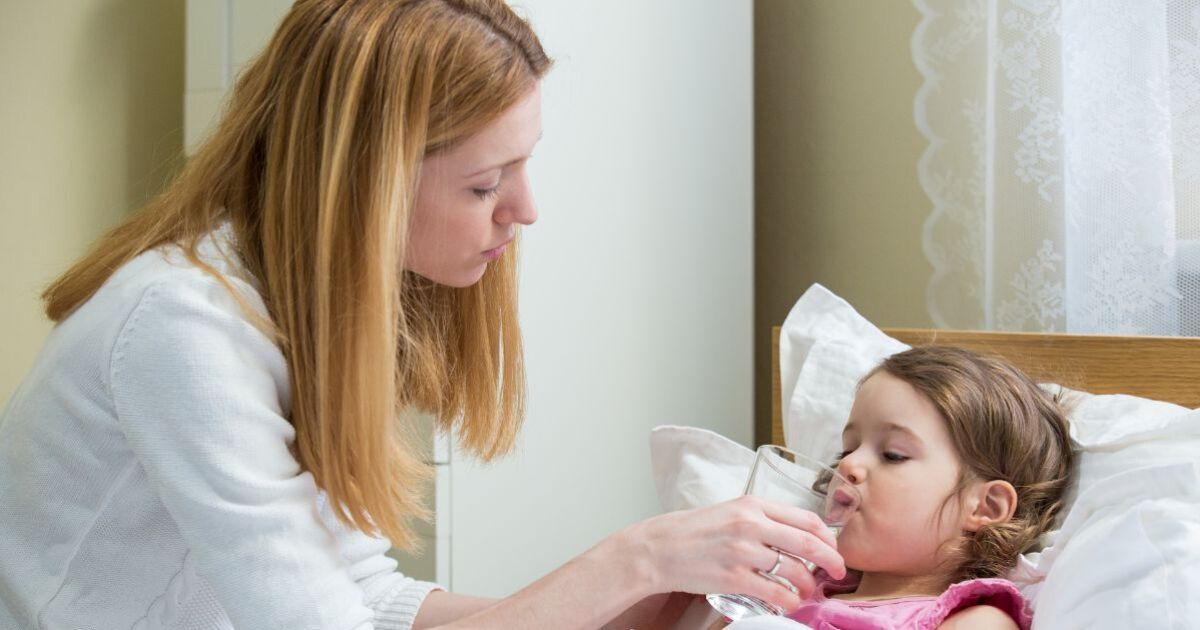
To prevent a child becoming dehydrated, make sure they drink lots of fluids, most especially water.
Some foods can also increase hydration because of their high water content. These include melon, strawberries, peaches, oranges and pineapple.
According to the NHS, dehydration can happen more easily if you have diabetes, sickness or diarrhoea as well as being in the sun too long.
It can also result from drinking too much alcohol, sweating a lot after exercising, having a high temperature and taking medicines which make you pee more.


