
A medical expert has shed light on a quick, two-minute routine that could significantly reduce cholesterol levels, thus diminishing the likelihood of heart attacks and strokes.
Hypercholesterolemia, commonly referred to as high cholesterol, is a major health issue in the UK, affecting around 40% of adults—many of whom might not even be aware of their condition. It occurs when there’s an excess of cholesterol, a fatty, waxy substance, circulating in the bloodstream.
Dr. Suraj Kukadia has emphasized the benefits of short bursts of exercise. In a TikTok video, the doctor remarked, “Exercise is instrumental in reducing cholesterol levels, with the most substantial evidence supporting high-intensity interval training [HIIT].”
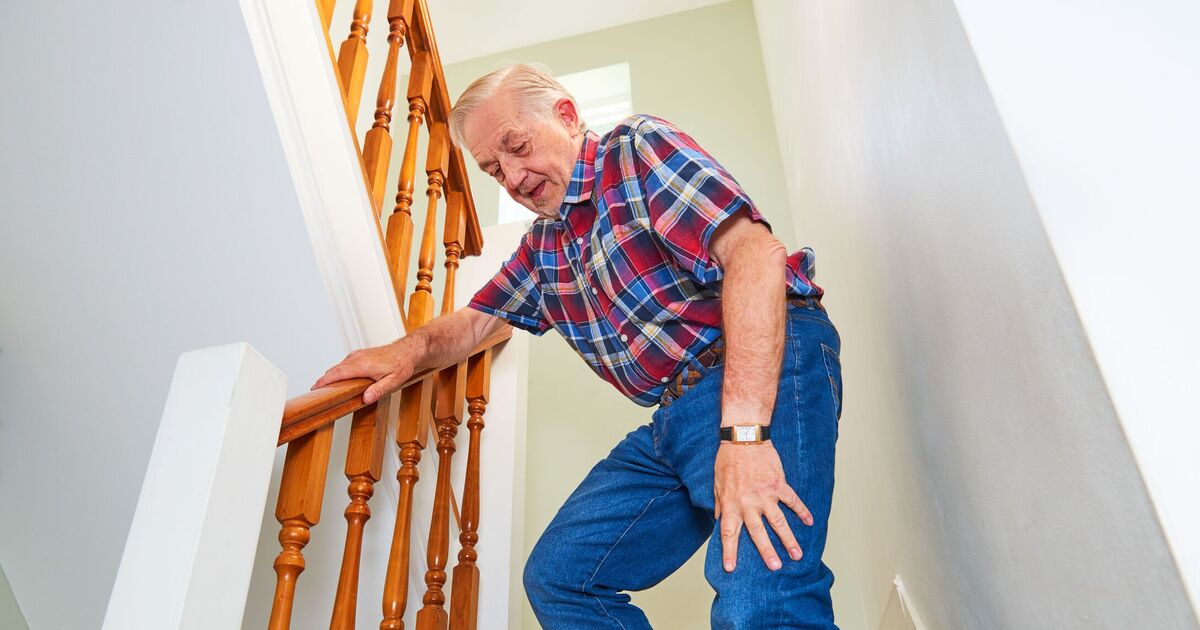
Popularly known as Dr. Sooj, Dr. Kukadia added, “Recognizing that HIIT may not suit everyone, I recommend incorporating two-minute intervals of activity into your day. Simple actions like star jumps, push-ups, or repeatedly climbing stairs can enhance your exercise capacity, boost physical activity, and, consequently, lower cholesterol levels.”
Exercise is crucial in the NHS’s guidance for reducing cholesterol. Their website advises engaging in at least 150 minutes of moderate exercise or 75 minutes of vigorous activity weekly.
If you’re new to exercising, some helpful activities to consider include:
- Walking – try to walk fast enough so your heart starts beating faster
- Swimming
- Cycling
The NHS added: “Try a few different exercises to find something you like doing. You’re more likely to keep doing it if you enjoy it.”
Research on exercise and cholesterol
This guidance is supported by scientific studies, including a review published in the Journal of Heart and Circulatory Physiology, which demonstrated that regular physical activity lowers levels of ” cholesterol (HDL cholesterol) levels. Researchers said it does this by stimulating the body to move bad cholesterol to your liver so it can be removed from the body.
And a separate study funded by the British Heart Foundation (BHF) from 2024 found that the more active you are the more saturated fat your muscles use for energy. The BHF said: “This means there is less saturated fat circulating in the body, which lowers your non-HDL cholesterol levels.
“Scientists think exercise can increase the heart muscle’s ability to breakdown lipids too. All these processes help prevent fatty plaques from forming on artery walls, reducing the risk of a heart attack or stroke.”
Generally, healthy total cholesterol levels are considered to be below 5mmol/L, with non-HDL cholesterol levels ideally below 4mmol/L. If you have concerns about your cholesterol levels, it is recommended that you consult with your doctor.