
Share this @internewscast.com
Across the United Kingdom, a notable rise in flu cases is being observed, largely due to the emergence of the H3N2 strain, identified as subclade k. Recent reports from the UK Health Security Agency (UKHSA) indicate that flu transmission has reached a ‘medium’ level, following a surge in cases.
The statistics reveal a significant increase in influenza positivity, with the weekly mean positivity rate climbing to 17.1%, compared to 11.6% the prior week. Additionally, hospitalizations due to the flu are on the rise, with rates now at 7.79% per 100,000, up from 4.78% per 100,000 the week before.
While this new strain can cause unpleasant symptoms in the general population, certain groups, such as children, the elderly, and individuals with weakened immune systems, are at a higher risk for severe complications. These vulnerable populations are especially encouraged to take advantage of the NHS’s offer of a free flu vaccination.
In light of these developments, Professor Julian Redhead, the National Medical Director for Urgent and Emergency Care, has cautioned that the health service is preparing for a potentially unprecedented flu wave this winter. He stated, “The number of cases is remarkably high for this time of year, and we have yet to see a peak.”
Professor Redhead also noted, “The NHS has initiated its winter preparedness earlier than ever before, but despite these efforts, the combination of increasing flu cases and ongoing strikes could push our staff to their limits in the coming weeks. There are now more options than ever for accessing necessary care. For non-life-threatening issues, individuals should contact NHS 111 or utilize the online service, which can guide them to the most suitable care.”
He emphasized, “For life-threatening conditions and serious injuries, A&E and 999 remain the appropriate choices. With only a few weeks left to achieve maximum flu immunity before Christmas, I strongly encourage all eligible individuals to get their flu vaccination.”
How the flu jab works
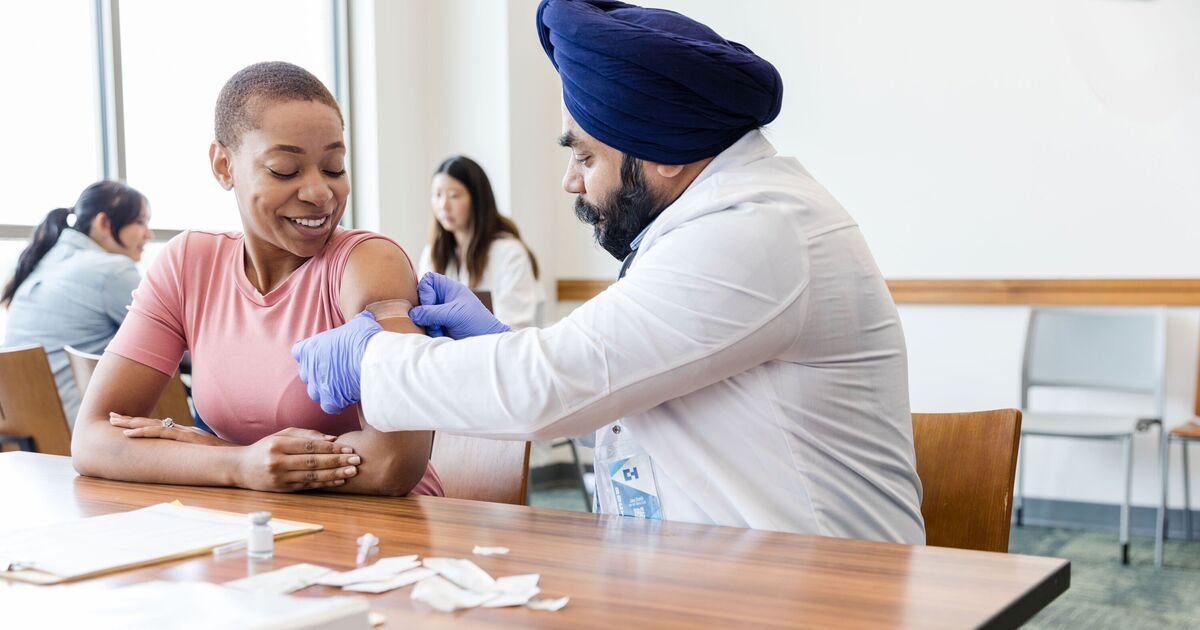
The flu vaccine safeguards your body against severe influenza by training your immune system to identify and fight off the virus before exposure occurs. The injection functions by delivering a small quantity of a deactivated flu virus into your system, triggering an immune response.
Following vaccination, approximately 10 days are needed for it to take effect and offer sufficient protection. It’s important to note that whilst the injection does contain an inactive flu virus, the vaccination itself cannot give you the flu.
Typically, just one dose of the vaccination is needed annually.
Who is eligible for the free flu jab?
NHS guidelines reveal there are six distinct categories of people eligible for a free flu jab. You may be entitled to the jab if you need extra protection or if someone in your household does.
This can include people who are:
- Aged 65 or over and those who will turn 65 by March 31, 2026
- Living with someone who has a weakened immune system (such as someone undergoing chemotherapy)
- Are the main carer for an older or disabled person or receiving carer’s allowance
- Have certain long-term health conditions
- Living in a care home
- Are pregnant
How to get the flu vaccine for free
If you’re eligible for a free flu vaccine, there are several ways to claim it. For example, you can directly contact your GP to arrange an appointment for the vaccine, or you can book an appointment at a pharmacy either online or via the NHS app, provided you’re 18 or over.
Some pharmacies also offer the NHS vaccine for free and allow walk-ins without the need to pre-book an appointment. However, this service isn’t available at all pharmacies, but you can locate your nearest pharmacy offering the free vaccine here.
More information on the flu vaccine, including its ingredients, can be found on the NHS website here.