
Share this @internewscast.com

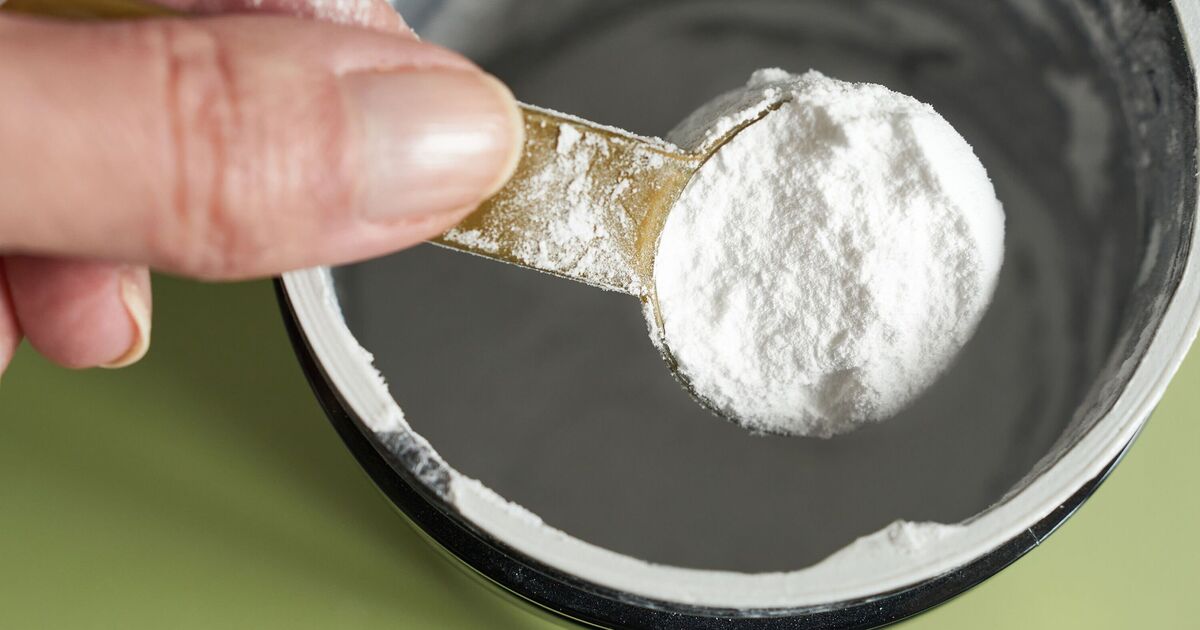
Creatine powder, the supplement boosting brain function in Alzheimer’s patients (Image: Getty)
A weight-room favourite could be offering new hope to millions living with Alzheimer’s disease, say scientists and neurophysiologists. Creatine — a common supplement often dismissed as just for bodybuilders — is now attracting attention for its potential effects on brain health.
In a promising development for those affected by Alzheimer’s disease, a staple of gym enthusiasts is now being explored for its potential brain health benefits. Creatine, widely known as a supplement favored by bodybuilders, is gaining interest among scientists and neurophysiologists for its potential to support neurological function.
Louisa Nichola, a neurophysiologist and expert in human performance, highlighted the advantages of creatine on a recent episode of The Diary of a CEO podcast. During her conversation with host Steve Bartlett, she emphasized its extensive benefits, revealing that she provides creatine to her 71-year-old parents to enhance both their physical and neurological well-being.
Creatine is a naturally occurring substance produced by the liver and present in foods such as red meat and fish. However, researchers note that supplements can elevate creatine levels beyond what is typically achieved through diet alone.
These supplements are well-documented for their role in boosting cellular energy. They achieve this by increasing levels of phosphocreatine, which aids in the regeneration of ATP, the primary energy molecule used by the body. This process is beneficial to both muscle and brain cells.
According to Verywell Health, while creatine is renowned for enhancing muscle performance, it also raises brain creatine levels by up to 15 percent. This increase has the potential to improve cognitive function, particularly under stress.
Read More: Discover how consuming only this canned meat might eliminate grey hair.
An eight-week pilot study was published in Alzheimer’s & Dementia: Translational Research & Clinical Interventions in May 2025.
In this trial, people with Alzheimer’s disease who took 20 grams of creatine monohydrate daily showed an 11 per cent increase in total brain creatine levels.
Those increase levels were then linked with measurable improvements in cognition such as working memory, attention, and executive functioning. Participants performed better on cognitive tests, including sorting and reading, after supplementation.
Nichola explained: “These patients not only preserved their cognitive functions, but they had more energy, and they were able to exercise more. It can protect your brain against a concussion, it can protect your brain against a stroke, and it can protect your brain from stress. The best thing about creatine is that it works in the background of stress.”
Researchers noted the high compliance and significant biochemical changes, suggesting that brain energy metabolism — often impaired in Alzheimer’s — might be supported by creatine.
Experts do stress, however, that these findings are still preliminary, and Dr Oracle says there is insufficient evidence to recommend creatine for outright preventing dementia or cognitive decline.
PubMed research suggests that creatine helps maintain energy balance in neurons, potentially reducing neuroinflammation and oxidative stress — both key components of Alzheimer’s.
While creatine won’t replace approved Alzheimer’s treatments, growing evidence suggests this affordable supplement could support brain health and may one day form part of broader therapeutic strategies.