
Share this @internewscast.com
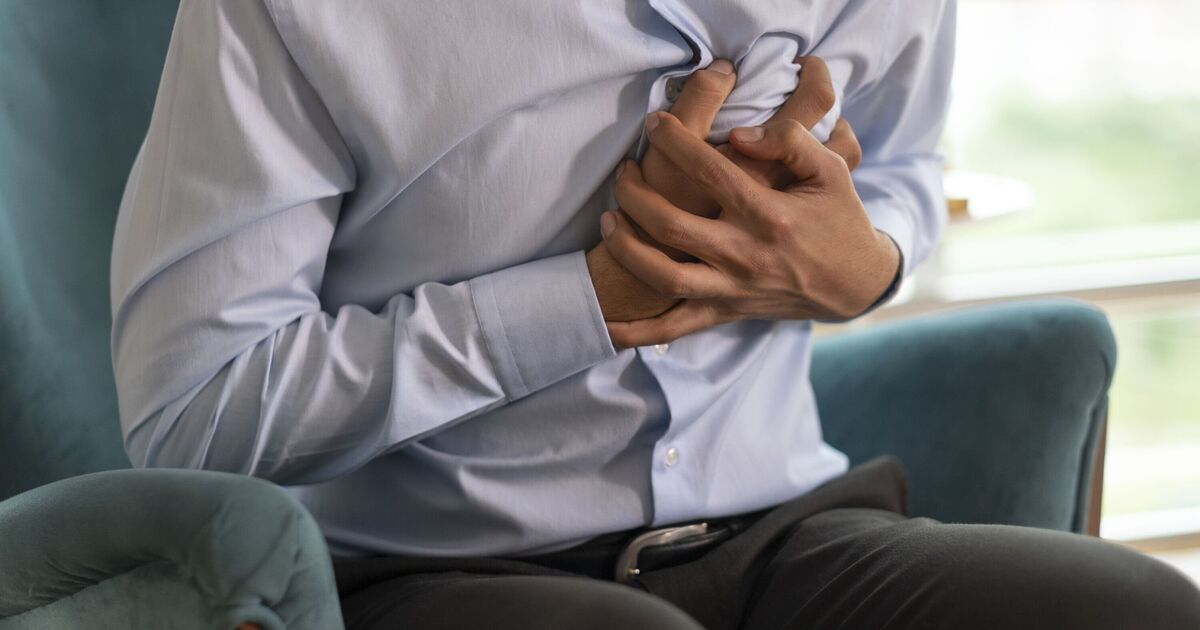
According to the NHS. there are six groups of people may be at higher risk of heart attacks and strokes with high blood pressure, or hypertension, increasing this risk. Hypertension is a common condition, which occurs when the force of blood against the artery walls is consistently too high.
Arteries are the blood vessels responsible for carrying blood from the heart throughout the body, according to NHS inform. While a certain amount of pressure is necessary to keep blood flowing, excessive pressure can be harmful.
Over time, it can increase the likelihood of developing cardiovascular conditions such as strokes or heart attacks. The NHS states that hypertension is typically diagnosed when blood pressure readings consistently exceed 140/90 mmHg.
But what causes it, and who faces the greatest risk?
Six groups at risk of high blood pressure
You may be more ar risk if you:
- have kidney disease
- have diabetes
- have hormonal conditions like Cushing’s syndrome (when the body produces too many steroid hormones)
- suffer with obstructive sleep apnoea
- take certain some herbal remedies
- take some medications like oral contraceptives
The NHS suggests: “If you’re worried that your medication is affecting your blood pressure, speak to a healthcare professional.”
You may be also more at risk from high blood pressure if you:
- eat a high-fat diet
- eat a high-salt diet
- don’t exercise
- are overweight
- smoke
- drink too much alcohol
- are stressed
- take some recreational drugs
- are older – the risk of developing high blood pressure increases as you get older
- have a family history of high blood pressure
- are of Afro-Caribbean or South Asian origin
What are the symptoms of high blood pressure?
Scarily, high blood pressure often has no symptoms. but in rare cases some signs and symptoms may appear. These may include:
- headaches
- blurred or double vision
- regular nosebleeds
- shortness of breath
What happens if I have high blood pressure?
If left untreated, high blood pressure can lead to problems including, as mentioned, a stroke and heart attack. It can also cause:
- arterial thrombosis
- abdominal aortic aneurysm (AAA)
- kidney disease
- vascular dementia
Telling people to never “take recreational drugs”, the NHS also urges people to:
- regular exercise
- reduce your alcohol intake
- eat a healthy, low-fat diet
- restrict your salt intake
- try to lose weight if you’re overweight or obese
- drink less caffeine
- try relaxation therapies like yoga and meditation