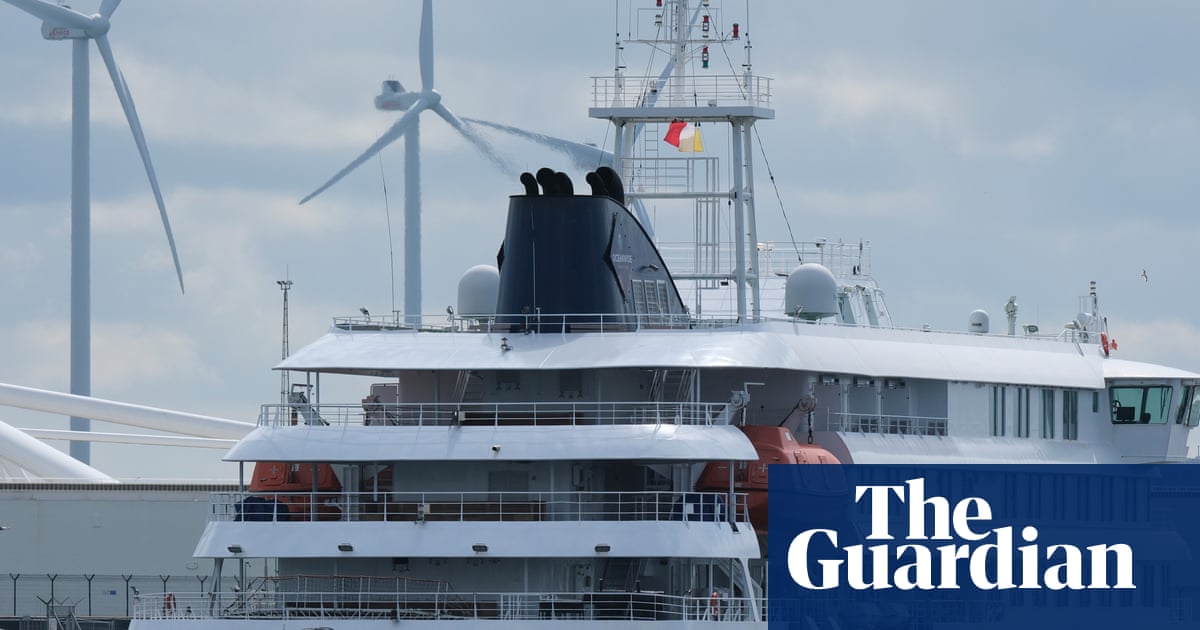

A swift, coordinated response — not luck alone — was central to preventing the hantavirus outbreak linked to the MV Hondius from becoming a far larger international crisis.
Writing in response to Devi Sridhar’s recent article on the incident, Dr Matthew Dryden argues that the decisive factor was the early intervention of the UK Overseas Territories programme, funded by the Foreign Office and run by the UK Health Security Agency. The programme supports health services across the UK Overseas Territories, many of which are small, isolated communities with limited medical capacity. Its strength, he says, lies in close communication and practical support that helps local systems respond quickly when unusual threats emerge.
That response began on Ascension Island, where a doctor identified a concerning cluster of illnesses after a sick passenger from the MV Hondius was brought ashore. Diagnostic equipment recently introduced on the island ruled out more routine causes, making clear that clinicians were dealing with something out of the ordinary.
From there, experts worked across several countries to identify the threat. A discussion involving medical staff on Ascension, the UK Overseas Territories programme’s infection specialist, the ship company’s medical adviser and a colleague at South Africa’s National Institute for Communicable Diseases led investigators to samples from two patients who had been medically evacuated to South Africa. Those samples confirmed the diagnosis: hantavirus.
According to Dryden, that confirmation was the moment the wider danger was contained. It triggered alerts to the World Health Organization and national public health bodies, allowing action to be taken before the ship continued to Cape Verde. Had that not happened, passengers incubating the virus might have disembarked and travelled onward to their home countries, potentially turning a contained outbreak into a much broader one.
Dryden, a consultant in infection with the UK Overseas Territories programme at UKHSA, says this chain of events shows how vital well-connected public health systems are in stopping outbreaks before they spread internationally.


