
Eating between 60 and 100 grams of whole grains each day could help lower the risk factors associated with heart disease, including excess weight, high blood pressure, elevated cholesterol and increased blood glucose, according to a new study. Researchers reviewed evidence from more than 6,500 participants across 87 clinical trials conducted in Asia, Europe, the United States, Canada, Australia and Brazil.
The analysis found some cardiovascular improvements among people consuming 30 to 40 grams of whole grains daily, measured by dry weight. However, the strongest benefits appeared at roughly double that intake. For comparison, a typical bowl of porridge contains about 40 to 50 grams of whole grain, while a cup of brown rice provides approximately 45 grams.
Dr Helda Tutunchi, the study’s lead researcher from Tabriz University of Medical Sciences in Iran, said the findings offer a practical guide to how much whole grain may be needed to produce meaningful improvements in cardiovascular risk factors. She described increasing whole-grain consumption as a straightforward, affordable and widely accessible dietary change that can work alongside other healthy lifestyle habits and medical treatments.
“Our results suggest that the majority of the benefits are seen at around 60 to 100 grams per day, which is toward the upper end of existing dietary recommendations,” Dr Tutunchi said. “This does not necessarily mean guidelines need to be rewritten, but it does support public health efforts that help people increase their whole-grain intake and reach the higher end of current targets.”
Higher whole-grain consumption was associated with lower body weight, a smaller waist circumference and reduced blood pressure. Participants also tended to have lower levels of total cholesterol, “bad” LDL cholesterol, triglycerides, blood glucose and interleukin-6, an indicator of inflammation.
The research, published in the European Heart Journal, comes with some limitations. Most of the trials lasted only about eight weeks, meaning further studies are needed to establish whether these improvements continue over the long term.
Dr Tutunchi said the results suggest whole grains may support heart health through a combination of small improvements rather than one dramatic change in a single risk factor. The researchers identified positive effects involving cholesterol and other blood fats, blood pressure, blood sugar control, body fat and certain measures of inflammation.
“While the improvement in any one risk factor was generally modest, addressing several of them at the same time could lead to a more meaningful reduction in cardiovascular risk over the years,” she said. “However, the trials did not directly measure heart attacks, strokes or other cardiovascular events, so longer-term research is still required.”
In an accompanying editorial, Dr Cecilie Kyrø of the Danish Cancer Institute in Copenhagen and her colleagues said the study provided “high certainty evidence” linking greater whole-grain intake with reductions in body weight, waist size, total cholesterol and interleukin-6.
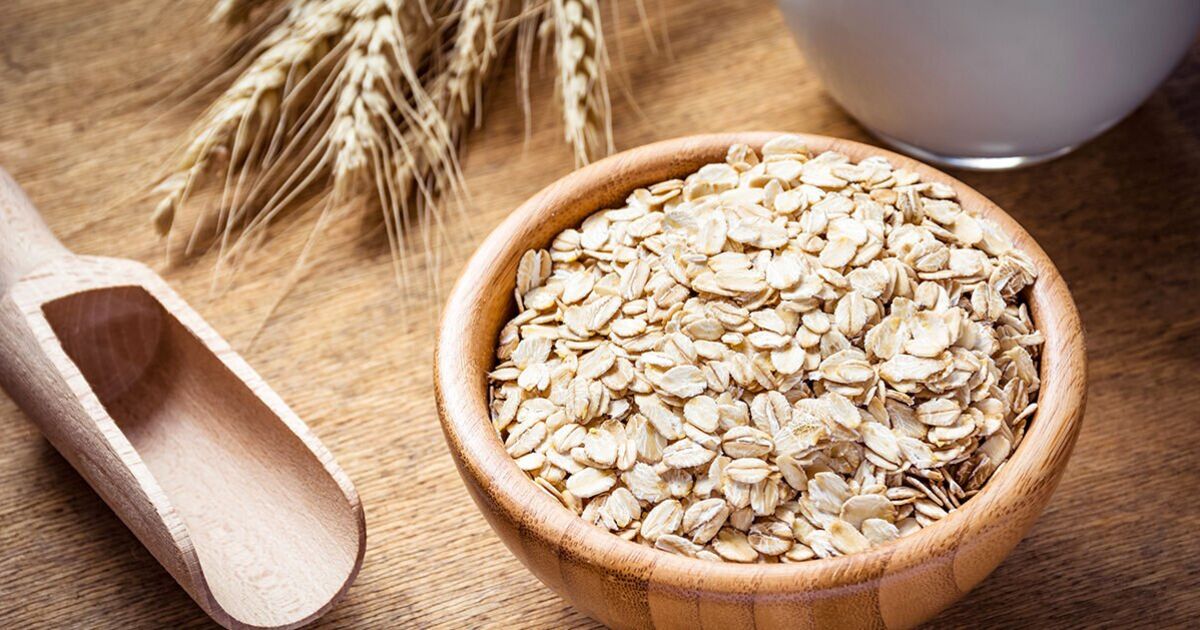
Whole grains are cereal grains that retain all three parts of the original kernel: the bran, germ and endosperm. They may be eaten as intact grains, rolled into flakes or ground into flour for use in bread and other foods.
For healthcare professionals, the editorial authors said the message was clear: encouraging patients to swap refined grain products for minimally processed whole grains is likely to bring modest but worthwhile improvements in weight, waist circumference and blood fat levels. The effects may be especially relevant for people living with type 2 diabetes.
At a population level, even relatively small improvements in these markers could contribute to a significant reduction in cardiometabolic disease. The authors also noted that research into other health outcomes suggests the advantages of eating whole-grain foods may extend well beyond heart and metabolic health.


