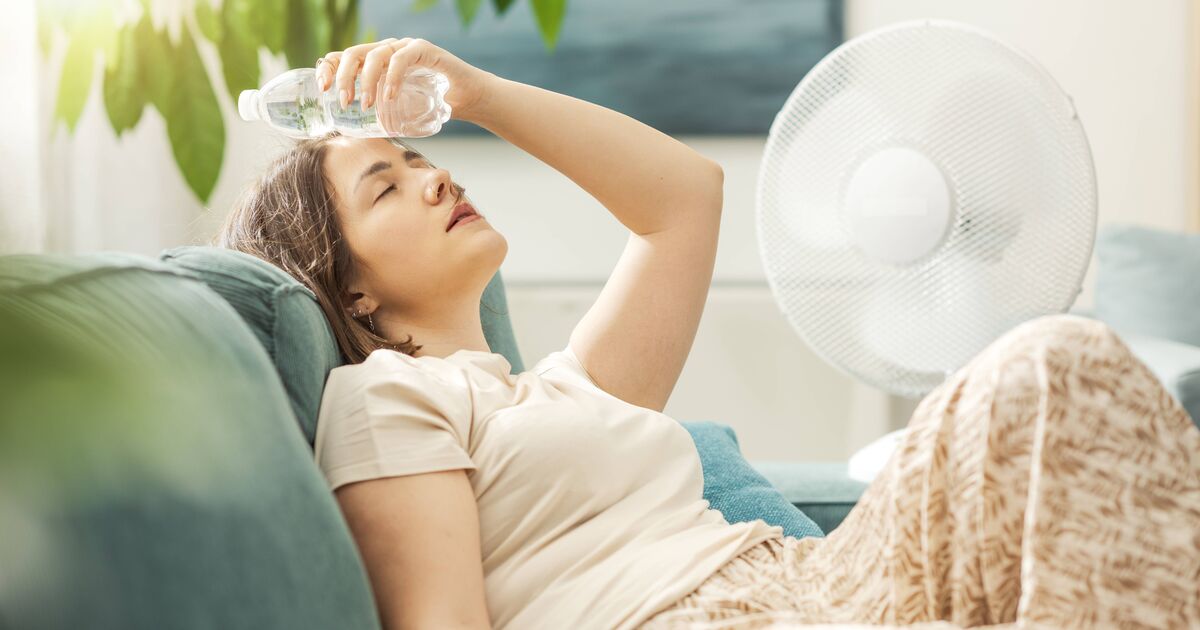


Weather forecasting models indicate UK temperatures could potentially reach 41C (stock image) (Image: demaerre via Getty Images)
Britain is in the grip of one of its most severe summers on record, after three major heatwaves and warnings that the hottest day ever recorded in the UK may still be ahead.
For the first time in British history, temperatures have climbed above 35C in three separate months — May, June and July — underlining the intensity of this year’s extreme heat.
By late July, meteorologists were closely watching advanced weather forecasting models suggesting the mercury could potentially rise to 41C. If reached, that would break the UK’s current all-time temperature record of 40.3C, set in July 2022, and make it the hottest day ever recorded in the country.
With high temperatures persisting across large parts of the UK, many people are continuing to feel the physical effects of the prolonged hot weather.
New figures from Healthwords.ai reveal that heat-related health searches jumped by 621% between April and June, as rising temperatures prompted more people to seek advice for symptoms such as dizziness, fatigue and dehydration.
Among the most common concerns were dizziness and fainting, heavy sweating — especially at night — lethargy, fatigue, dehydration and loss of electrolytes.
Explaining why these symptoms can develop during periods of extreme heat, Dr Tom Maggs, Chief Medical Officer at Healthwords.ai, said: “Many people assume feeling exhausted during a heatwave is simply because it’s uncomfortable, but there’s much more happening inside the body.”
“When temperatures rise, your body has to work much harder to regulate its core temperature.
“Blood vessels widen to help release heat, your heart works harder to circulate blood, and you lose both water and important electrolytes through sweat.”
He added: “Even mild dehydration can leave you feeling unusually tired, sluggish or lightheaded, and the effects don’t necessarily disappear as soon as the weather cools.
“If you’ve also had several nights of poor sleep because of the heat, that fatigue can build up over several days.”
Dr Maggs suggests individuals frequently underestimate how rapidly dehydration can occur. “Thirst is actually a relatively late sign that your body needs fluids,” he said.
“If you’re already feeling thirsty, tired or developing a headache, you’re likely already mildly dehydrated. Older adults, young children and anyone exercising outdoors are particularly vulnerable.”
5 ways to recover from heat-related fatigue
- Consume water consistently throughout the day instead of waiting until you feel parched.
- Replace electrolytes alongside fluids, especially if you’ve been perspiring heavily or spending extended periods outdoors. An oral rehydration solution, such as O.R.S Hydration, is specially designed to restore both fluids and vital electrolytes.
- Make sleep a priority by maintaining cool bedrooms, drawing curtains during daylight hours and steering clear of demanding activity immediately before retiring.
- Take frequent breaks from the heat and find cooler, sheltered areas wherever feasible.
- Seek medical attention should you suffer from persistent dizziness, fainting, confusion or vomiting, as these may be indicators of heat exhaustion or heatstroke.
Dr Maggs concluded: “Most people recover well with rest, cooling down and proper hydration, but prevention is always easier than recovery.
“Small habits like drinking consistently throughout the day, avoiding the hottest parts of the afternoon and recognising the early signs of dehydration can make a significant difference.”
Healthwords is registered with the UK’s Medicines and Healthcare products Regulatory Agency (MHRA) as a Class 1 Medical Device, specifically as patient health self-management software.
The platform is a registered digital health tool designed to assist users in understanding basic symptoms, exploring self-treatment options and locating over-the-counter products. However, it is not a substitute for a qualified medical professional.
The advice comes after those trying to cool down during the heatwave were warned about one simple mistake recently.
Experts are warning that having a shower before bedtime may be making you feel even hotter.
Neil Thompson, Showroom Manager at the luxury bathroom retailer Nôsa said that while icy water can feel refreshing at first, it can cause the blood vessels near your skin to tighten.
This may trap heat inside your body instead of helping it escape. Instead, it is recommended to take a cool or lukewarm shower, which can help lower your body temperature without triggering a reaction to the sudden cold.


