
World leaders are facing renewed pressure to honor what campaigners describe as a promise to those who died during Covid-19 by finally securing an agreement on how the world should respond to future pandemics.
As the G7 summit opens in France, World Health Organization director general Dr Tedros Adhanom Ghebreyesus and Brazilian president Luiz Inácio Lula da Silva have issued a joint letter calling for urgent political support at the highest level. Their message is blunt: the world cannot afford delay because “the next pandemic will not wait for us”.
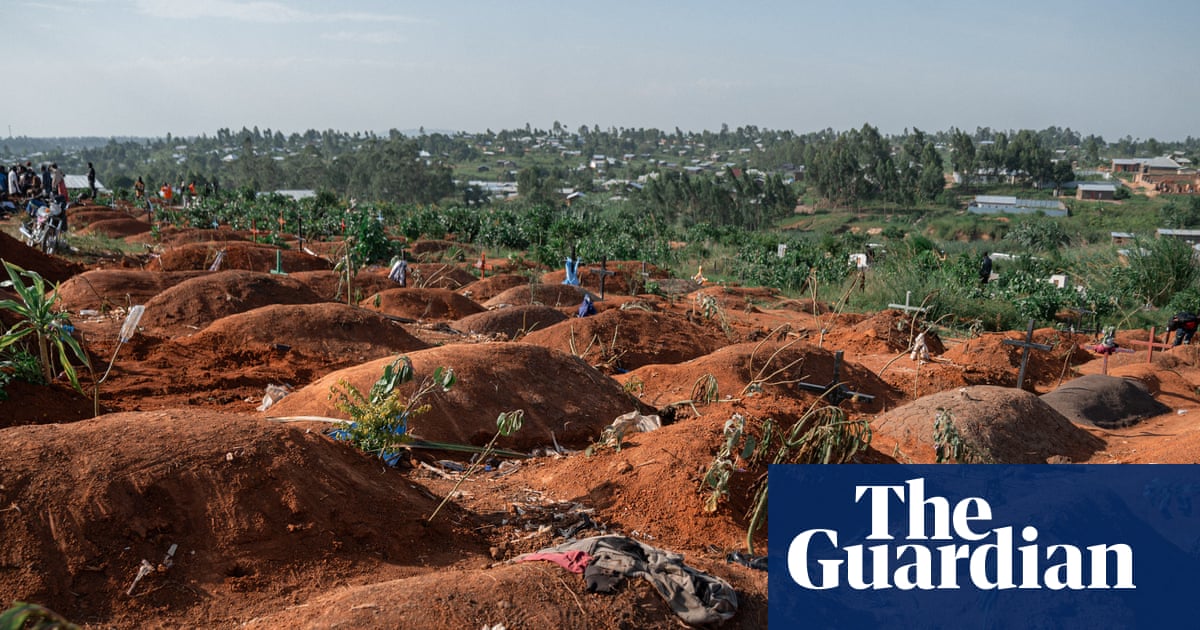
The appeal lands at a moment of fresh global health concern. In the Democratic Republic of the Congo, an Ebola outbreak is spreading quickly, with 782 confirmed cases and 181 deaths already recorded.
Attention is now turning to next month, when negotiators are due to resume talks on the “pathogen access and benefit sharing” annex to the WHO pandemic agreement. That section is considered essential, and the broader pact cannot take effect until it is settled.
Countries had aimed to complete the annex by May, but missed the deadline after failing to bridge key disagreements. At the center of the dispute is how nations should share information on dangerous pathogens, and what guarantees they should receive in return on access to vaccines, tests and treatments.
Developing countries remain wary of a system that does not require pharmaceutical companies to share the products developed from data provided by poorer nations. Without binding rules, many fear a repeat of the Covid era, when lower-income countries were left waiting at the back of the line for vaccines.
Industry representatives argue that mandatory requirements could stifle research and development.
World leaders first announced plans for a pandemic treaty in March 2021. Five years on, Tedros and Lula told leaders: “the world must finish what it started, and … you can help it do so”.
They said they should bear in mind “a memory the whole world shares”, when hospitals overflowed and “families said goodbye to the people they loved through glass, or by telephone, or not at all”.
The letter added: “Estimates from WHO and others put the lives lost at up to 20 million. Humanity promised itself, in the rawness of that grief, that it would not face such a day again unprepared.”
The annexe is “the last piece of the puzzle” in order to keep that promise, they said. It will need “political will at the highest level”, “a spirit of equity” and “a sense of urgency”.
Covid also cost economies more than $13tn (£9.6tn), they said: “Against that, the investment in a system that catches an outbreak early is small.”


