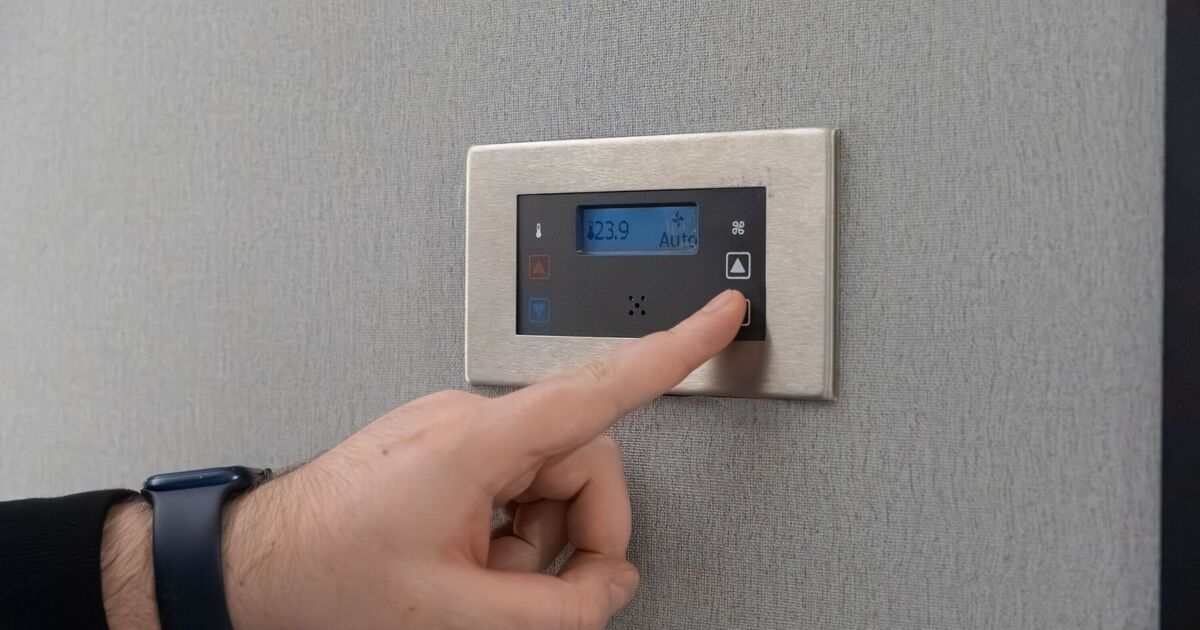


Leave the thermostat alone (Image: Getty)
A Money Saving Expert (MSE) tip costing as little as £2.99 could help millions of UK households reduce their energy bills this winter. The advice is simple: “heat the human, not the home” by keeping yourself warm rather than turning up the thermostat.
MSE’s guide outlines practical ways to stay comfortable while using less energy. However, founder and chair Martin Lewis said he was saddened that so many people now need this kind of advice.
Lewis said: “This is a guide I really wish we needn’t be publishing. The reason I asked Sarah and the team to put this together is due to my overflowing email bag of desperation from people who can’t afford their energy bills.
“So don’t see this as an ‘MSE or Martin says you should do this’. It’s more that we’re trying to help provide some options and information for those that may need to drastically cut down on energy usage due to financial desperation, and some help for others who may want to do it out of a commitment to green issues.”
Spend £2.99 and cut your bills
One of MSE’s suggestions is to use a hot water bottle. Wearing suitable clothing can make a cooler home feel more manageable, while additional warmth can come from a hot water bottle, electric blanket, heat pad, foot warmer or similar item.
Prices vary between retailers. B&M may sell hot water bottles for around £2.99, while Asda offers them from £3.25 and Primark sells some for approximately £5.
Check your hot water bottle
Anyone buying a new hot water bottle, or reusing one already at home, should carry out an important safety check first. Boots says these products can be useful during cold weather, but they must be safe and within their recommended period of use to reduce the risk of scalds and burns.
Boots explains that hot water bottles do not have a universal expiry date. Their lifespan depends on how they are used and maintained, but they generally last about two years from purchase, or for the period specified by the manufacturer.
After that point, the material may begin to deteriorate, making the bottle less safe to use.
- Weakened seams, making the bottle prone to sudden failure
- Brittleness, especially in rubber bottles that deteriorate over time
- Leaks and bursts, which can lead to burns or scalding injuries
The retailer also warns that misuse or frequent, excessive use can shorten a hot water bottle’s lifespan.
The daisy wheel
The daisy wheel, also known as a dial, can indicate when a hot water bottle was manufactured. It is primarily included to help manufacturers trace the product.
- The number in the centre of the wheel indicates the year of manufacture
- The surrounding segments – or petals – correspond to the 12 months of the year, with January being the first segment from 12 o’clock going clockwise. The final segment containing dots is the month of manufacture
- The number of dots in the final (or only) segment indicates the week of manufacture
Boots gives this example: “A bottle marked with ‘22’ in the centre of the daisy wheel, no dots in the first segment (starting at 12 o’clock) and 3 dots in the second segment, indicates the bottle was made in the third week of February 2022 (with no production in January 2022). However, it’s important to note that degradation of rubber or plastic is usually minimal prior to the date of purchase of your hot water bottle.”
Several factors can influence how long a hot water bottle remains suitable for use, including the way it is used and cared for.
- Over filling
- Storing near a heat source, like an airing cupboard or radiator
- Damage from something sharp
- Storing it full of water
- Not storing flat
- Filling with boiling water
- Regular use
The key safety rule is to keep the bottle warm rather than dangerously hot. After boiling water, allow it to cool for at least five minutes before filling the bottle. For children and people with sensitive skin, the water should be below 40C (104F), and a cover should always be used.


