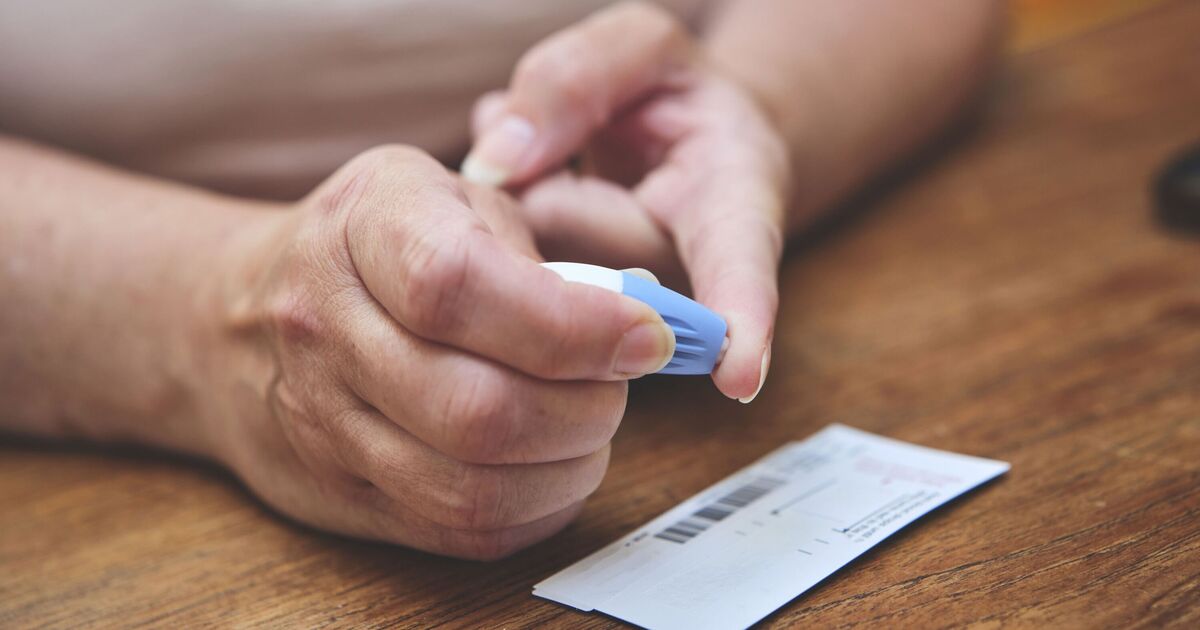

The NHS is rolling out free finger-prick blood tests on the high street for the first time, allowing people to check their cholesterol levels in just seven minutes at 100 participating pharmacies across England.
The new NHS pharmacy testing scheme is designed to detect heart disease and stroke risks earlier, with an ambition to cut deaths from these “ticking time bombs” by a quarter over the next decade. The initiative was unveiled at the European Society of Cardiology’s annual congress, the world’s largest heart conference.
People aged 40 to 84 will be eligible to walk into a participating pharmacy for a cholesterol test, provided they are not pregnant and have not had a blood test in the past 12 months. A small blood sample will be taken from the fingertip using a lancet, and patients will receive a copy of their results by email.
David Webb, England’s chief pharmaceutical officer, said local high street pharmacies could play a crucial role as a first line of defence against heart disease and strokes.
He said: “By making it easier for people to get a quick and convenient cholesterol health check on their local high street, we can spot ticking timebombs earlier, helping people take action, and prevent heart attacks and strokes before they happen.
“This is the latest in a series of initiatives involving pharmacies in delivering care previously only offered in GP surgeries as part of the 10-year health plan to bring care closer to where people live.”
The autumn launch follows a successful London pilot run by Barts Health NHS Trust, UCLPartners and Heart UK. During the trial, one in five patients — 19% — were found to be at high risk of having a heart attack or stroke within the next 10 years.
Dr Sotiris Antoniou, clinical lead for the scheme at Barts Health, said: “By scaling this approach across England, we can support pharmacists to identify cardiovascular risk earlier and, importantly, act on the results through timely advice and treatment.
“This has the potential to improve outcomes and reduce health inequalities, particularly in communities where the burden of cardiovascular disease is greatest.”
Alison McGovern, a health minister, said it was “exactly the type of innovation” she wanted to see across the NHS. “We’re making it easier for people to spot potential problems earlier and take action to protect their health,” she said.
“Early detection can help prevent serious conditions such as heart attacks and strokes, helping people stay healthier for longer while reducing pressure on NHS services.”


