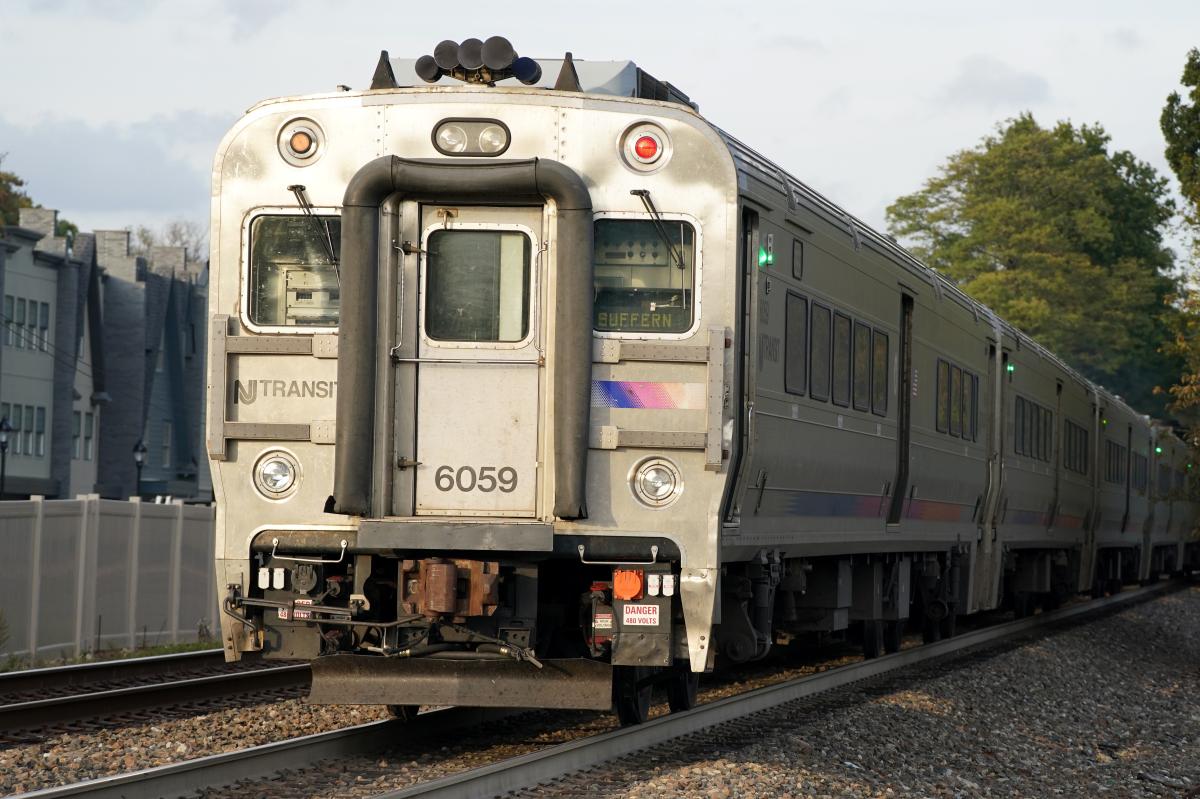

In a landmark decision, the Supreme Court unanimously determined on Wednesday that New Jersey Transit can face lawsuits outside its home state.
This ruling opens the door for individuals from other states to file claims, potentially increasing their chances of success if they suffered injuries while utilizing the transit system, which extends into New York and Pennsylvania.
New Jersey Transit had contended it was entitled to the liability shields provided to state agencies under “sovereign immunity.” This doctrine, rooted in the 11th Amendment, safeguards states from being sued in courts by non-residents or foreign entities without their consent.

Established by the Trenton legislature in 1979, the transit authority operates as a state-owned corporation, with the governor possessing veto power over significant decisions, including the appointment of board members.
Justice Sonia Sotomayor, in her opinion, highlighted that legislators designed NJ Transit as an independent legal entity. The state holds no formal responsibility for the agency’s debts or liabilities, and the governor can only dismiss eight of its 13 board members under specific conditions.
Lawyers representing the plaintiffs, who sustained injuries in accidents involving NJ Transit buses in New York City and Philadelphia, argued that the agency was devised to enjoy the advantages of both a state agency and a corporation, while avoiding the drawbacks of each.
One attorney for the plaintiffs described New Jersey’s characterization of its transportation system as a “sort of a mishmash, you-know-it-when-you-see-it” approach.
“One problem with the States’ position is that it focuses on the label a State places on an entity, rather than assessing whether the State structured the entity as legally separate,” Sotomayor wrote in the 23-page opinion.
“There is no good reason to believe that the State intended for NJ Transit to be part of the State itself by using the word ‘instrumentality,’ when it simultaneously used the word ‘body corporate,’ a term traditionally understood to create a ‘[s]eparate legal personality,’” she added.
Sotomayor determined: “The clearest evidence that a State has created a legally separate entity is that it created a corporation with the traditional corporate powers to sue and be sued, hold property, make contracts, and incur debt.”

The case, argued in January and has the effect of resolving two separate decisions by state courts.
Plaintiff Jeffrey Colt had been struck by an NJ Transit bus in Manhattan in 2017, while Cedric Galette was a passenger a car that was rammed by an NJ Transit bus in the City of Brotherly Love a year later.
The Pennsylvania Supreme Court dismissed Galette’s case, finding that sovereign immunity applied, while the New York Court of Appeals allowed Colt’s suit to proceed.
During oral arguments, New Jersey Deputy Solicitor General Michael Zuckerman warned that a loss at the Supreme Court could be detrimental to the Garden State’s financing of its public transportation system.
“NJ Transit looks nothing like a city or town, and little like a private company,” Zuckerman told the high court. “It looks a lot like a New Jersey state agency. That means plaintiffs must sue it where the state has consented — in New Jersey.”