
As the winter season unfolds, medical experts are advising the inclusion of bell peppers in your diet as a potential defense against the emerging ‘super flu.’ These vibrant vegetables might play a role in supporting your immune system, particularly during this challenging flu season.
According to recent data from the Centers for Disease Control and Prevention (CDC), the new H3N2 subclade K, popularly known as the ‘super flu,’ is spreading rapidly across the country. The flu’s activity is marked as ‘very high’ in 32 states, signaling a critical health concern.
In the last week of December, flu tests revealed a significant rise with one in three turning positive, compared to one in four the previous week. This surge underscores the growing threat as the virus continues to spread.
Alarmingly, hospitalizations have seen a sharp increase of 54 percent in just one week, jumping from 18 to 28 per 100,000 people. This uptick reflects the virus’s aggressive nature and the mounting pressure on healthcare systems.
Tragically, the season has already claimed the lives of at least nine children. Among the victims were two young toddlers in Boston and a teenager from Ohio, who succumbed to the illness merely five days after showing what seemed like typical flu symptoms during a doctor’s visit.
While the annual flu vaccine remains the most effective measure to prevent the virus, incorporating foods rich in vitamin C, such as bell peppers, can further enhance the body’s immune defenses. This dietary approach might offer an additional layer of protection amidst the flu’s daunting presence.
Oranges are a tried and true way to increase vitamin C intake, but research suggests bell peppers may have even higher levels, and the color pepper can influence the exact amount.
All colors of bell pepper are rich in vitamin C and antioxidants, which have been shown to lower inflammation and boost immune cell function, but when given the choice, dietitians reach for red bell peppers in particular.

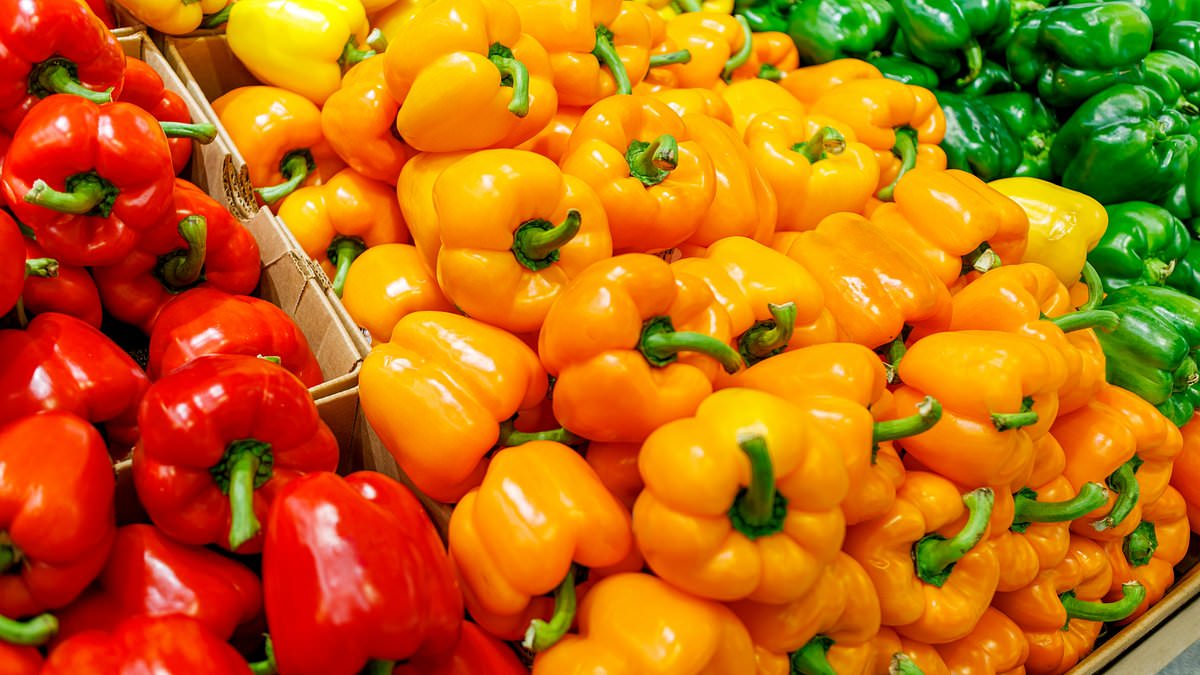
Experts have revealed which color bell peppers are richest in flu-fighting nutrients (stock image)
A bell pepper’s color is a sign of how ripe it is, with green ones being the least ripe and red signaling the longest ripeness.
Kara Lydon, a registered dietitian and intuitive eating counselor in Boston, told HuffPost: ‘Red bell peppers typically come out on top in terms of overall nutritional value. Since red peppers ripen the longest, they boast the most antioxidants.’
The longer ripening time also increases levels of vitamins A and C in red bell peppers.
A study published in the International Journal of Food Science in Nutrition found red bell peppers have up to 60 percent more vitamin C than green peppers.
Just one cup of chopped red bell peppers contains about 200 milligrams of vitamin C, nearly three times higher than the amount in an orange and 169 percent of the recommended daily value.
The peppers also contain the antioxidants capsanthin, violaxanthin, lutein, quercetin and luteolin.
Antioxidants are compounds that protect cells from damage caused by unstable molecules called free radicals. Left unchecked, free radicals attack cell DNA, proteins and lipids.

Ryleigh Smothers (pictured above), 16, died on December 28 from influenza just five days after visiting her doctor with ‘ordinary flu symptoms’
This induces oxidative stress, an imbalance between free radicals and antioxidants, which causes inflammation that gradually increases the risk of chronic conditions like heart disease and cancer.
One cup of red bell peppers also contains just 30 calories.
However, cooking the peppers in different ways may influence vitamin and antioxidant levels. Chicago-based registered dietitian Maggie Michalczyk warned against boiling them or cooking them at high heat, as this can result in the loss of vitamins and antioxidants.
‘Steaming and stir-frying are two good ways to cook bell peppers to help prevent the loss of water-soluble vitamins like vitamin C,’ she told HuffPost.
Red bell peppers are also fat soluble, meaning the vitamins dissolve in fats and oils, so Michalczyk recommends sauteing them in extra-virgin olive oil, which is rich in healthy fats like omega-3s.
To make peppers into a meal, Lydon suggests stuffed peppers with added lean protein and whole grains.
‘Make it a well-balanced, satisfying meal by adding a source of lean protein like ground turkey, chicken or fish, a starch high in fiber like brown rice or quinoa and a dietary fat like cheese or avocado,’ she said.