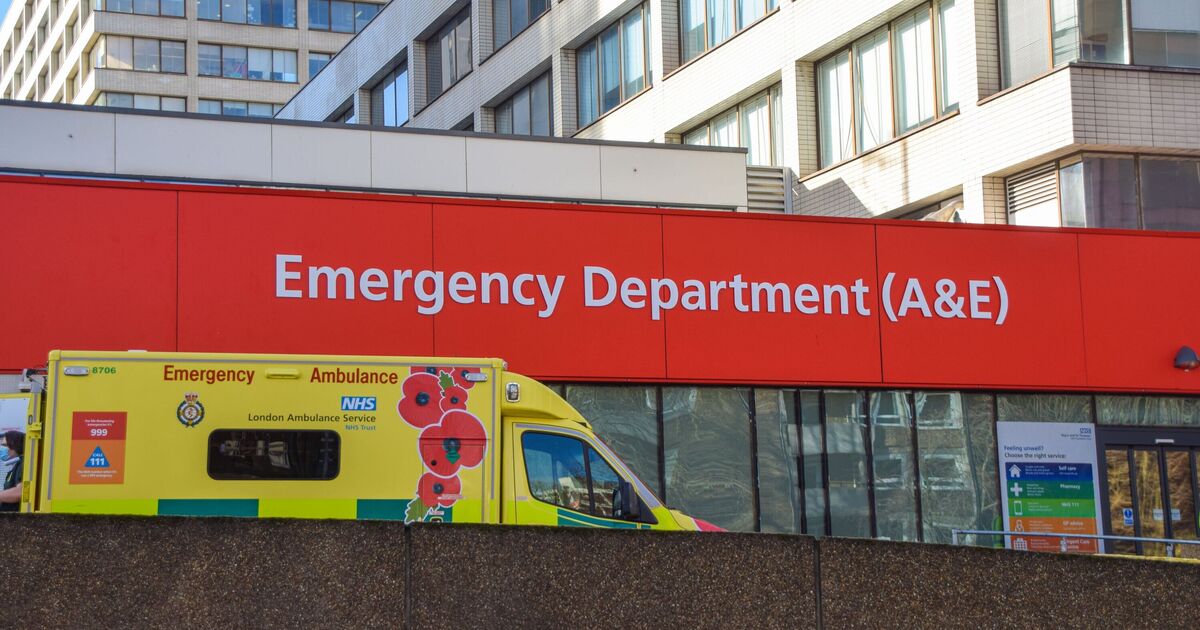


Elderly patients are being taken to hospital after suffering side effects linked to multiple medicines (Image: Getty)
Thousands of older people are being admitted to hospital after experiencing harmful reactions linked to taking too many prescribed medicines. An investigation has found that some elderly patients are being given potentially dangerous combinations of drugs, triggering problems such as low blood pressure, dizziness and irregular heartbeats. In some cases, these medicine “cocktails” are also contributing to falls.
Around eight million people in the UK are thought to be at risk of side effects because they have been prescribed five or more daily medications. Research published earlier this year also found that roughly 2.2 million Britons take 10 different drugs every day.
The practice is known as polypharmacy, a term used when one person takes five medicines at the same time. Once patients reach that level, the likelihood of adverse reactions rises, with frail individuals and people with mobility problems considered particularly vulnerable.
An analysis of NHS data suggests that up to 1,000 older patients a day are rushed into hospital for emergency treatment after suffering preventable reactions to medication. Coroners have also raised concerns that polypharmacy has played a role in some deaths, according to The Sunday Times.
Studies have pointed to wider pressures within the NHS as a key driver of overprescribing. Short appointment times, difficulty accessing care and poor coordination between hospitals, care homes and GP surgeries can allow prescriptions to accumulate. In some cases, the side effects of one drug may even be mistaken for a new illness, leading to yet more medication being added.

Taking five or more medicines regularly can increase the risk of side effects (Image: Getty)
Medicines that were appropriate when first prescribed can become riskier as a patient gets older or develops new health issues. Doctors have stressed, however, that people should not stop taking prescribed medication without first speaking to their GP or specialist.
They added that drugs prescribed to elderly people will be vital.
Jugdeep Dhesi, president of the British Geriatrics Society and a consultant geriatrician at Guy’s and St Thomas’ NHS Foundation Trust in London, said: “The more tablets that you take, the more likely there are interactions, and this can happen more the older you are.”
She added: “We have got these statistics and evidence coming at us, and we’re all really worried about it, but the system just keeps on looking down and thinking if we just carry on doing the same thing, it’ll be okay. It won’t.”
The crisis of over-prescribing costs the NHS an estimated £2.21 billion a year, according to figures published by the University of Southampton.
Now, leading clinicians are calling for doctors to receive improved training in de-prescribing or stopping drugs, specialist geriatricians (elderly care experts), and medication reviews for elderly patients.
A new national plan for the care of the frail elderly is due to be published in January. It will set modern standards for the care of the elderly, including medication prescribing.
An NHS spokesperson said: “We know we need to do more to meet the needs of our ageing population better and that’s why we have made it clear to NHS organisations what the best interventions are to provide effective community support for frail people through new guidance, such as ensuring their care plans involve regular medication reviews so that only medicines that are clinically appropriate are prescribed.”


